
Learn
Special Educational Needs and Disability (SEND)
Plan a museum visit that supports your learners’ comfort, communication and confidence. Our resources, staff and spaces can be adapted with you, helping your group take part in a way that feels right.
We welcome pupils with Special Educational Needs and Disabilities (SEND) across all our programmes. All the resources for our programmes are developed with SEND in mind. Anything with text is editable so educators can adapt font, size, colour, layout and content to suit individual needs.
You’re welcome to contact us before your visit to talk through any adjustments or requirements that would support your group. Get in touch at museum@manchester.ac.uk.
Free self-led visits include gallery access, coat storage, lunch space and planning materials such as a Welcome Film, social-story style introductions and a gallery map. Smaller groups can book tailored timetables, and afternoon visits are available for those who prefer quieter times. You can find details about the building, facilities and support available in our accessibility information.
All school groups must book in advance, and bookings for 2026/7 are now open.
Please note the following gallery closures:
8th-13th September: Egypt and Sudan Gallery closed; November: There may be disruption in the Vivarium and we will be relocating our animals in preparation for the building work in December; 1st December 2026 until 30th April 2027: The Vivarium will be closed for refurbishment and during this period there will be no step free access to Nature’s Library. Please contact school.bookings@manchester.ac.uk to discuss alternative arrangements; 16th March to 25th April 2027: Stan the T. rex will not be on display in the Fossils Gallery.
Live Animal Encounters
Cost: Free
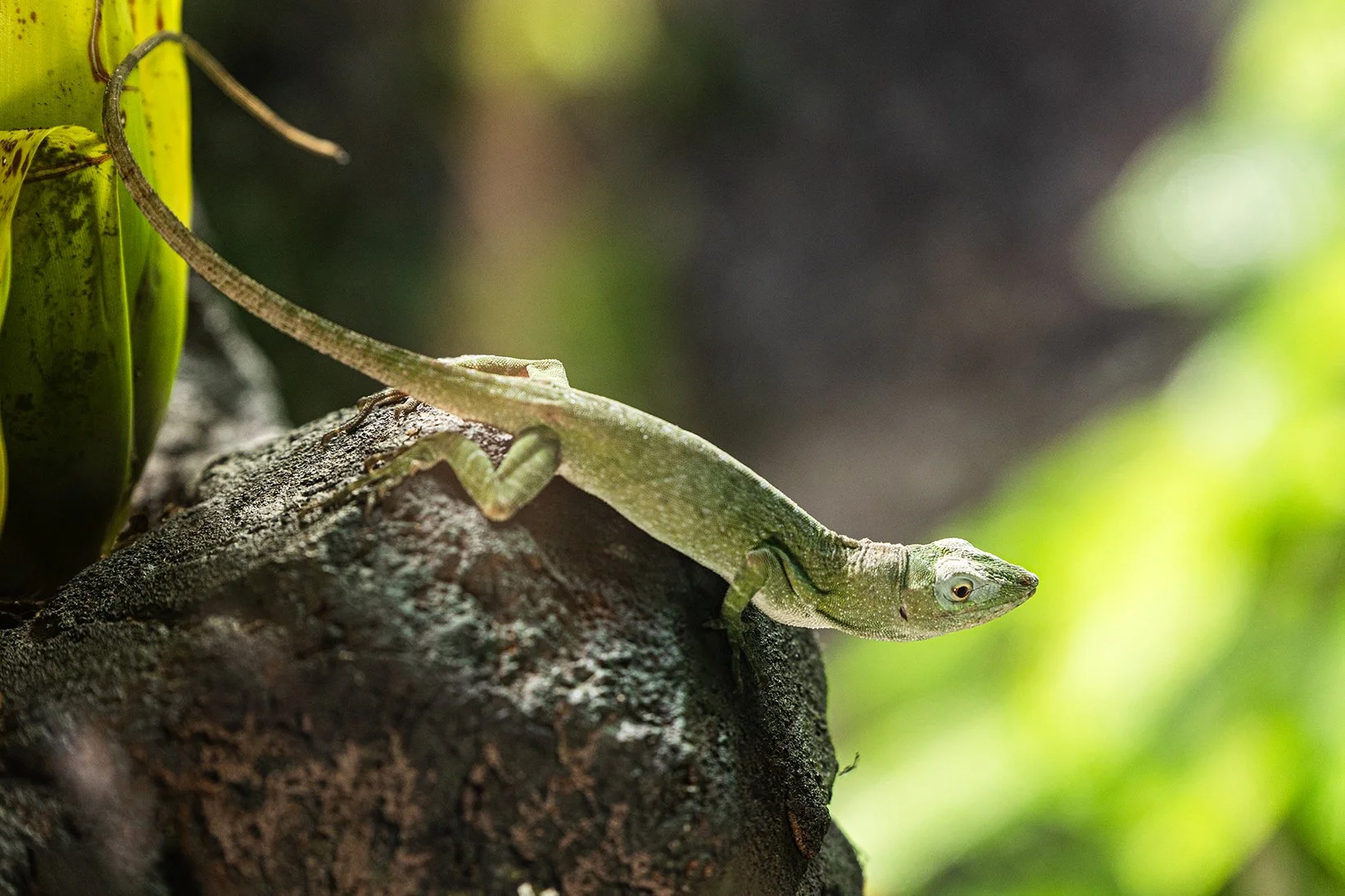
Our Live Animal Encounters allow students to get up close to frogs, snakes and more from our amazing Vivarium.
Students will meet a member of our Vivarium team who will bring animals out from their cases so that your group can see individual features, ask questions, and be inspired!

The Big Questions
Cost: Free
The Big Question is the ultimate way to enhance your self-led visit to Manchester Museum. Bring your topic to life and connect with our curators through a combination of free pre-and post-visit resources, all helping your pupils to look, connect, explain and wonder. We are delighted to offer SEND World of Work resources free of charge.
Free self-led visits
To ensure that school groups are able to make the most of their museum visit, we require all school groups to book in advance.
Free self-led visits include:
Access to galleries
Coat storage
A reserved 30 minute lunch slot in our picnic area (full day visits only)
We will send you a Hazard ID and Risk Assessment document once you have booked your group
Access to our free resources for schools* including ‘Big Question’ activity packs (see below)
Full day class self-led visits:
Bring your class for a full day visit to the museum! We have 3 different timetables available every day, all including a scheduled 30 minute lunch slot in our picnic area. Book your full day self led visit now.
Small group visits (maximum 12 pupils):
We encourage smaller groups (maximum 12 pupils) to book in with us so that we can provide you with a timetable that will meet your needs. Booking enquiries for groups of 12 pupils or fewer can be made using our small groups booking enquiry form (2025/6) or book online for 2026/7.
Afternoon visits:
If you wish to bring your group for an afternoon visit after lunch (arrival from 1.30pm) please complete our booking enquiry form.
*Free resources: As well as our Big Questions, we have a range of free introductory resources available to help you and your pupils to prepare for and get the most out of your trip to the museum. These include a Welcome Film and PowerPoint presentation to help familiarise students with the museum and what to expect, and a Gallery Guide and Map to help you to plan your visit in advance.
Things to know before you visit
-
There is a drop-off point for coaches outside the museum on Oxford Road. Minibuses can park at Cecil Street car park. The museum is also on a major bus route and a short walk from rail and tram stops. Plan your visit here.
There is limited disabled parking available for school minibus/car parking on Bridgeford Street. Please contact school.bookings@manchester.ac.uk to discuss this or include this information in your booking or enquiry.
-
All of our programming has been made with SEND in mind.
We are working on video tours and additional information to support students with SEND and help them prepare for a visit to the museum.
Our lifts offer step-free access to all museum spaces.
Please let us know of any access requirements when you book your visit. More information on accessibility can be found here.
-
Our Museum Hazard ID document and General Site Risk Assessment will be sent to you when you make your school booking with us. We ask all learning groups to book with us in advance and recommend that you complete a pre-visit trip to complete your own risk assessment before your visit. We are happy to arrange for you to meet a member of the team to support you in this: please email school.bookings@manchester.ac.uk to arrange this.
Teachers (or other accompanying adults) remain responsible for the general health and safety of children during their visit. Teachers (or other adults) should remain with their primary and secondary school groups at all times.
The minimum adult to pupil ratios that we recommend for schools visits is: 1:6 for Early Years & KS1; 1:8 for KS2, 1:15 for KS3, KS4 & Post-16. Note this excludes adults providing 1:1 support.
-
View the museum map here and the map for schools (including the Zones referred to on your timetable).
There is a picnic area on the ground floor next to the Main Hall. Space will be allocated for school groups through the booking process.
The Museum Shop is full of souvenirs inspired by our collections and prices start from 50p. You can pre-book goodie bags starting from £3 per child after you have made your booking.
There is a water fountain in the Welcome Area.
We are able to arrange for storage of coats, bags and lunches for school groups through the booking process.
We have lots of toilets throughout the museum including a fully accessible Changing Places toilet and all-gender toilets.