About
Who we are

Manchester Museum is on a mission to become the most inclusive, imaginative and caring museum you’ll ever visit. As part of the University of Manchester, research and learning is in our DNA, but now we’re aiming to build stronger emotional connections with visitors too, creating a space where everyone feels they belong.
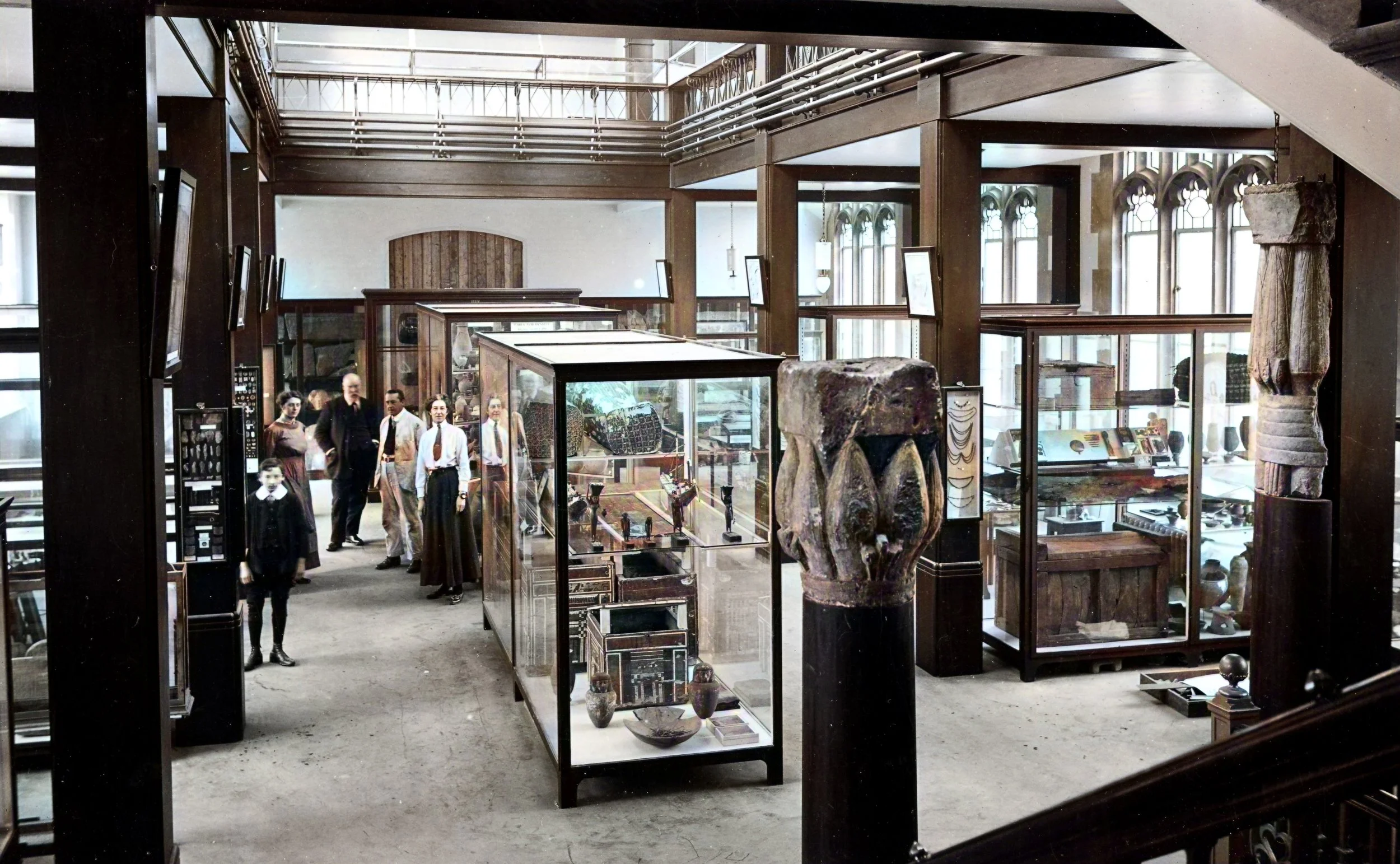

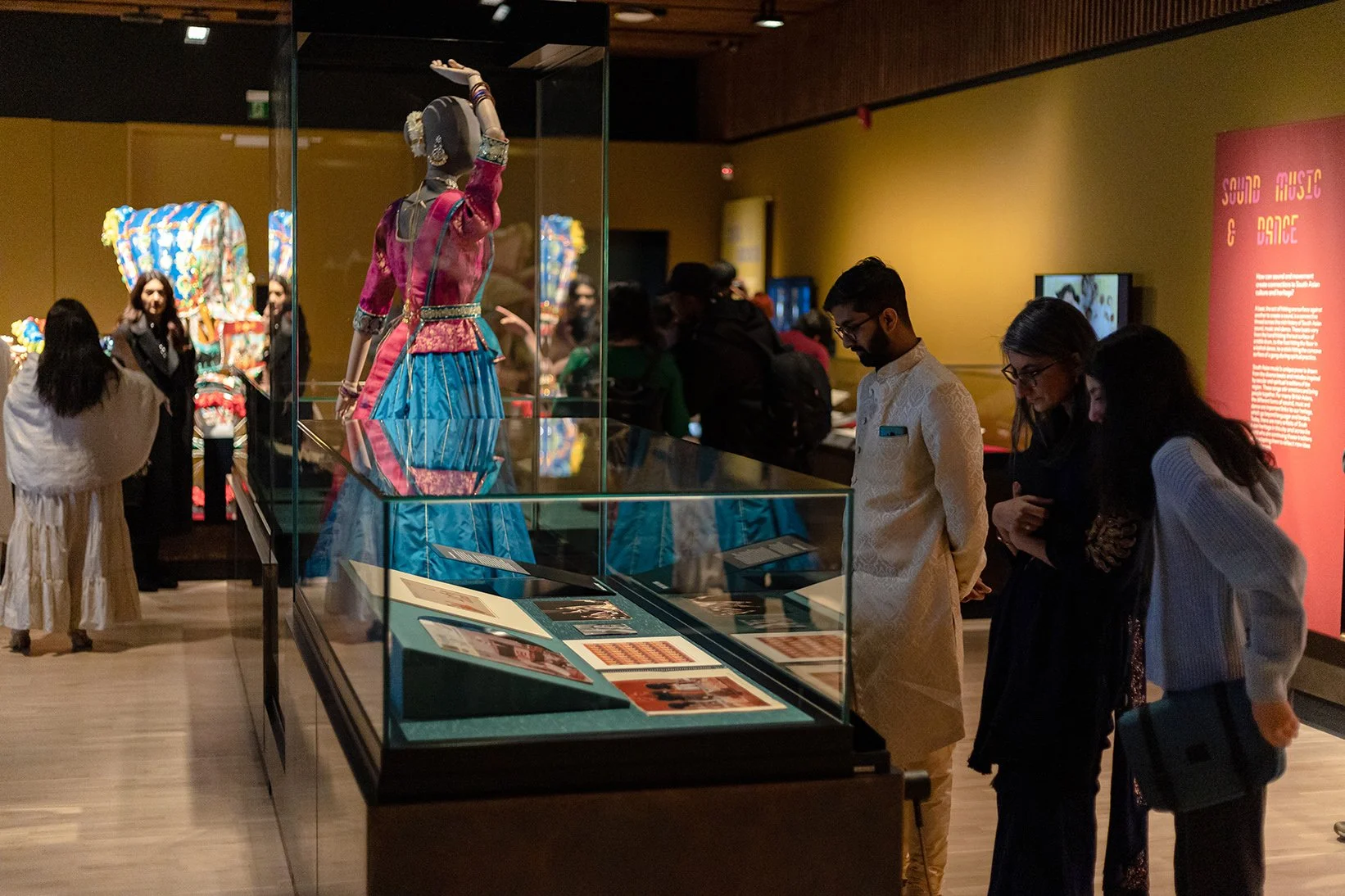
Wander through our beautiful 130-year-old building and lose yourself in stories of what it means to be human, including the moving, personal narratives of the South Asia Gallery, co-curated with 30 inspiring community members.
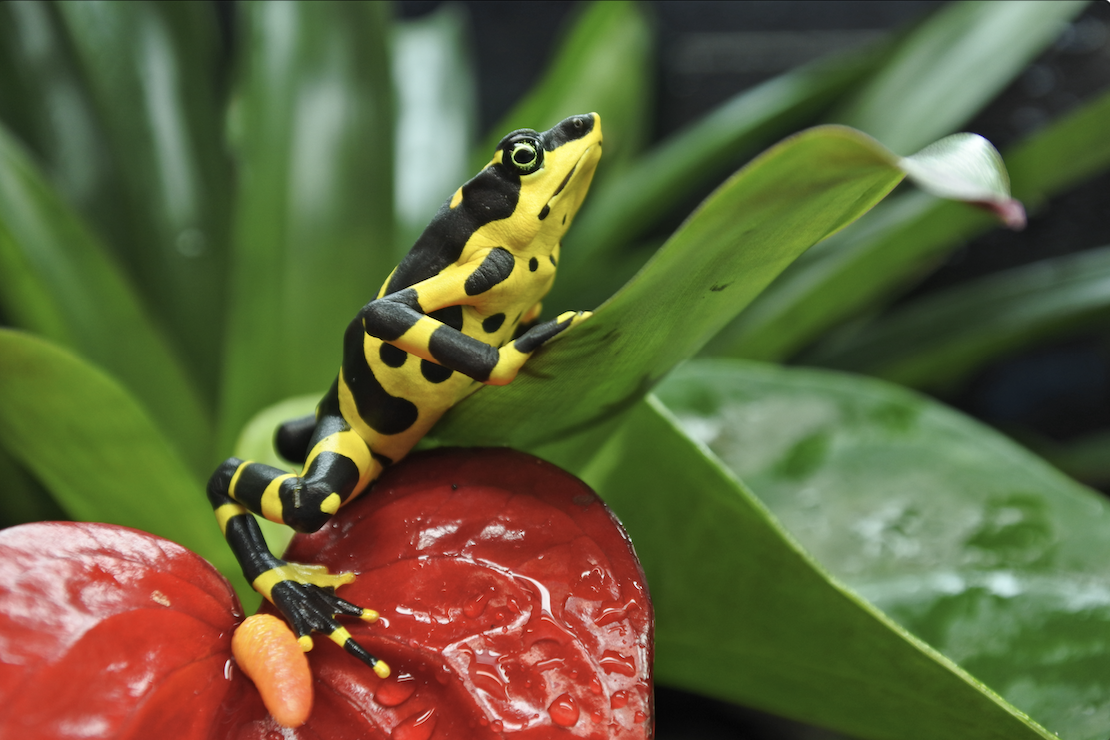
Rethink your relationship with the natural world, while enjoying rich natural science collections that underpin vital conservation work. Unusually, our collections even include live amphibians and lizards – Manchester Museum is the only place outside the Americas where you’ll see the extraordinarily beautiful and critically endangered variable harlequin toad.

Find a sense of joy and connection through events that bring communities together to celebrate, share and learn, from Vaisakhi to Lunar New Year and Africa Day.
We are reimagining what it means to be a museum at the heart of its community, while putting community at the heart of what we do. In February 2023, the Museum completed a major, values-led redevelopment that created new gallery spaces and visitor facilities with collaboration and co-creation at their heart. You’ll find a beautiful picnic area, a spacious prayer room for all, a quiet room and Changing Places toilet.
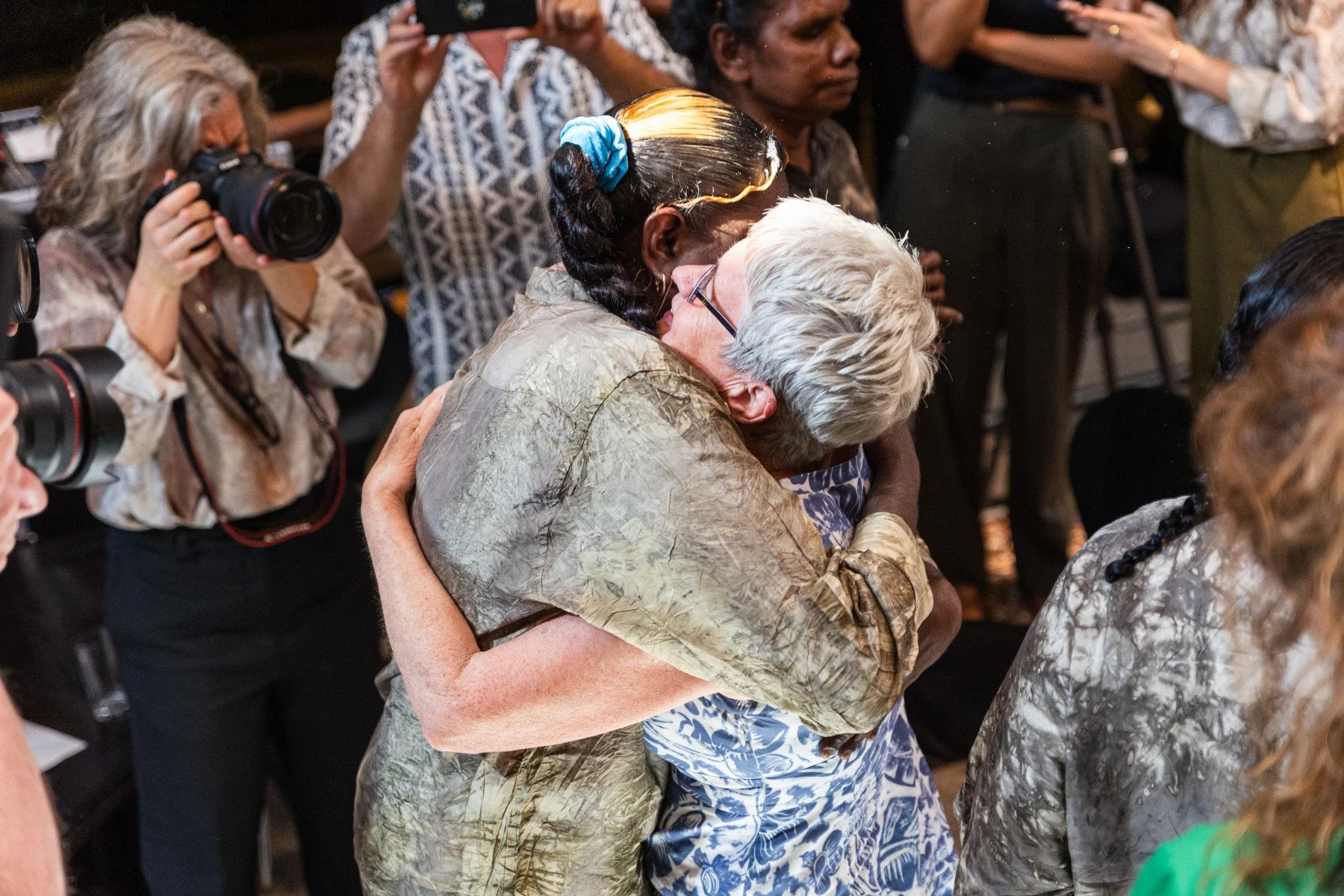
We’re also attempting to confront our past with honesty and transparency. Although Manchester Museum was built from a sense of civic pride, it was also borne of Empire, so we continue to grapple with these colonial roots, opening all our collections to the possibility of return to communities of origin. By foregrounding diaspora voices, Global Majority partnerships and Indigenous perspectives, we hope to connect communities locally and globally to forge a more inclusive, hopeful future.
A University Museum
Manchester Museum has a long history, tracing its origins to the collections of the Manchester Natural History Society and the Manchester Geological Society.
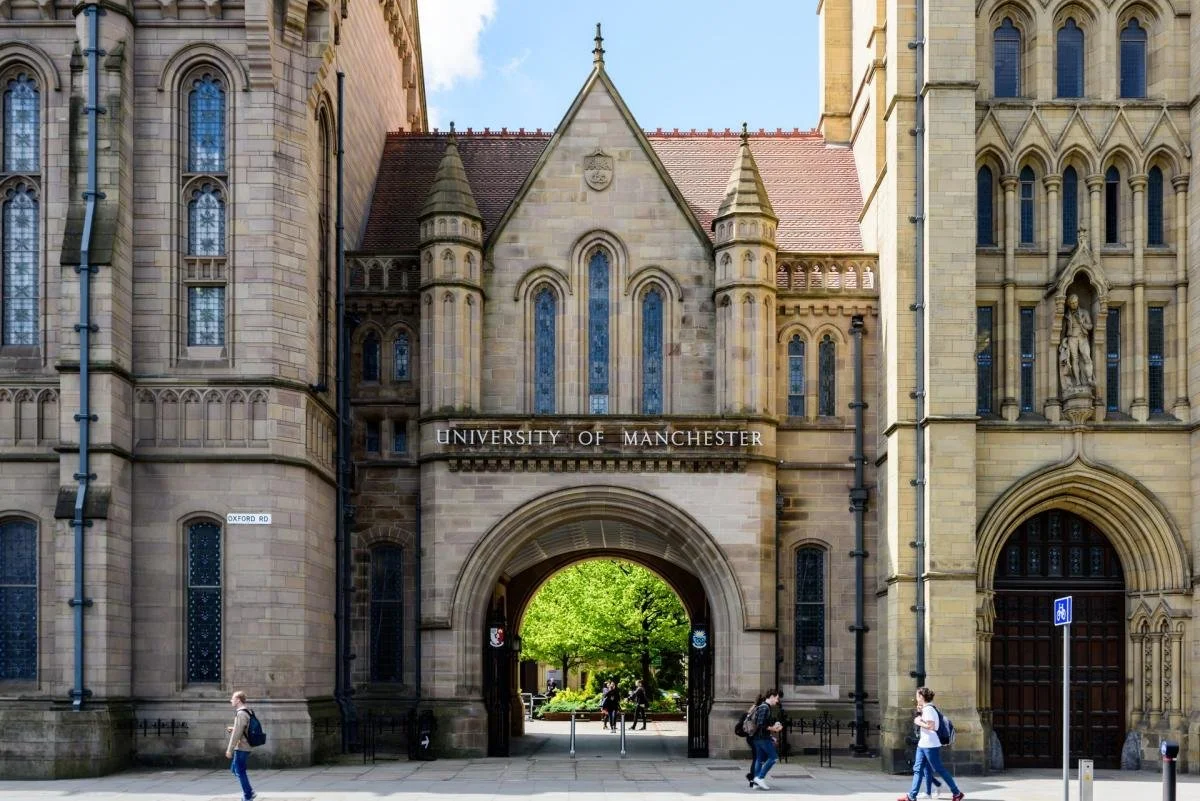
In 1868, these collections were transferred to Owens College, the forerunner of the University of Manchester. In 1888, the Museum opened on its present site on Oxford Road, in a building designed by Alfred Waterhouse.
We are proud to be part of the University of Manchester. The University has, for over a decade now, had a commitment to social responsibility as one if its core aims, which aligns neatly with our values of inclusion, imagination and care. We strive to care for people and relationships as much as we care for collections.
We are leading, facilitating and supporting more collections-based and diverse, interdisciplinary research and co-research than ever before. It is embedded throughout our galleries. For example, the Lee Kai Hung Chinese Culture Gallery profiles some ground-breaking research collaborations, including Prof Henry Yi Li’s work in Manchester and Hong Kong on smart textiles and Prof Shulan Tang’s research and practice of Traditional Chinese Medicine.
The Dinosaur Gallery has been created to help visitors think like a palaeontologist, taking its lead from the kind of lessons you might learn if you studied at the University of Manchester. The experience and expertise of staff and students has shaped and is central to the display.
Our mission and values drive everything we do.
We are committed to building understanding between cultures and a more sustainable world.