
Collections
How we care for collections
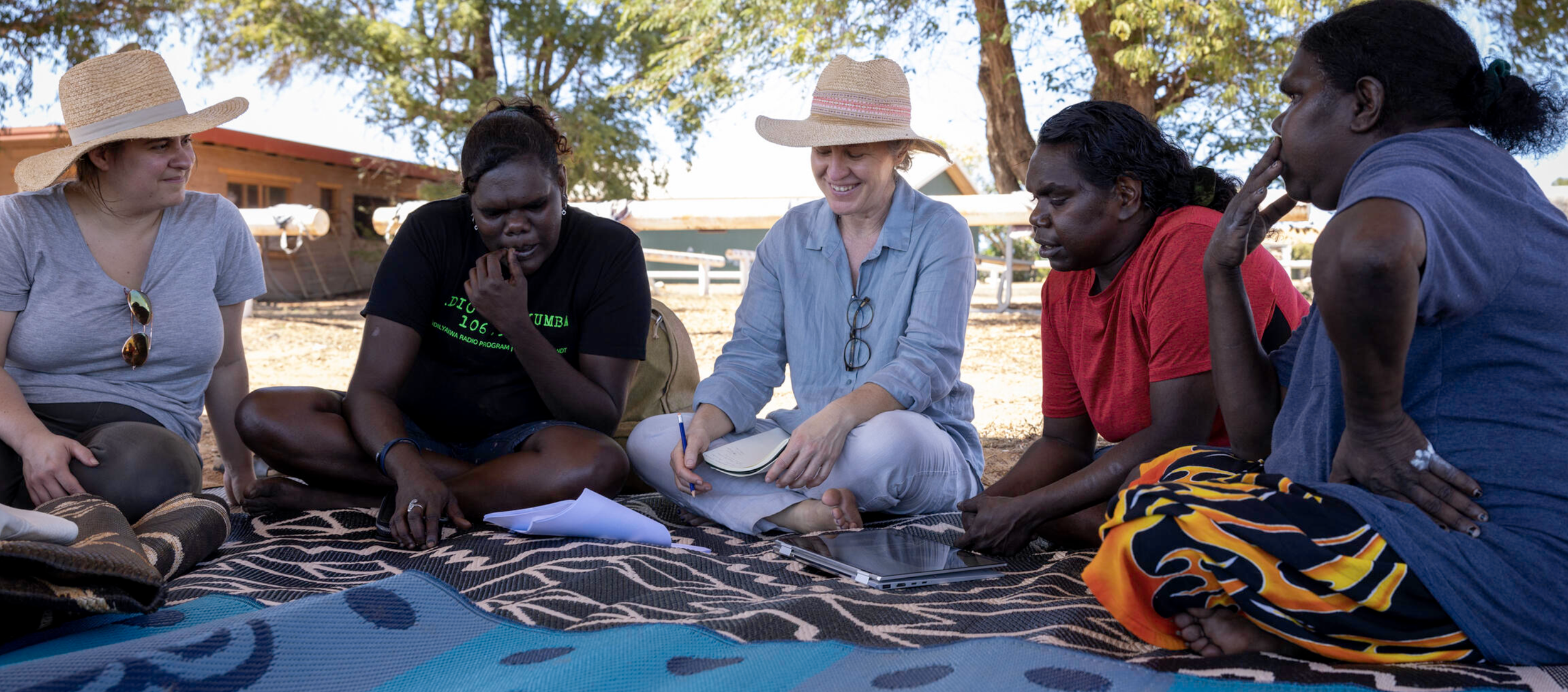
The way we care for collections is not simply about care for objects, it is about how we care for people, relationships and values.
The Museum was borne of civic spirit, curiosity and ambition but it was also borne of Empire, at the height of British colonial rule. How we acknowledge, interrogate and address this complex history is critical and urgent work.
This means taking an honest approach to the collections we care for, working with communities to decide collectively how they can best inspire future generations, whether through restitution to communities of origin or co-curation with diaspora communities to rethink how we display connections in order to better connect with people here in Manchester.
Restitution and repatriation
The unconditional repatriation of cultural heritage to communities of origin helps create healing, justice and reconciliation. By taking this action, we will become more inclusive, caring and relevant to the communities we serve both locally and globally.
For example, our work with Aboriginal communities and AIATSIS to promote understanding between cultures, learn together and build new relationships for the future has never been more important or timely. We are expanding our direct work with communities of origin to build new knowledge and accountability. We look forward to working with other museums to strengthen trust with communities globally, work collaboratively, encourage open conversations about the future of collections and critically, take action.
We respect and follow the advice of UN Declaration on the Rights of Indigenous Peoples (UNDRIP).
If you you want to get in touch with us directly about our commitment to returning , you can contact our Head of Collections and Exhibitions, Georgina Young, on georgina.young@manchester.ac.uk.
Return of cultural heritage to the Anindilyakwa People of Groote Eylandt
On 5 September 2023, a delegation from the Aboriginal Anindilyakwa community of Groote Eylandt joined us at Manchester Museum for the formal return of 174 cultural heritage items…
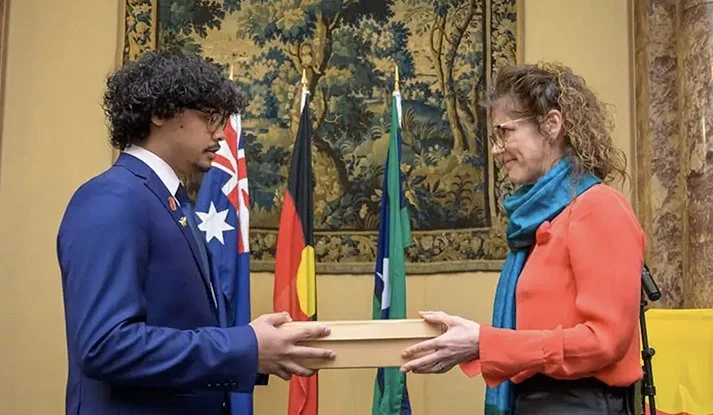
Return of 43 ceremonial and sacred objects to Aboriginal communities
In 2019, Manchester Museum returned 43 collection items to the Aranda people of Central Australia, the Gangalidda and Garawa peoples of northwest Queensland, the Nyamal people of the Pilbara and the Yawuru people of Broome.
Decolonising
Decolonising is resistance to colonialism and to the colonial legacies that continue to privilege and pedestal white, European people, ways of knowing and being. Decolonising is a long-term process that aims to build new ways of being and working based on principles of justice and which seek to dismantle racial and cultural hierarchies that colonialism embedded across the world – including in museums.
Decolonial practice at Manchester Museum has informed approaches to creating new displays and galleries, most notable in the Africa Hub, South Asia gallery and Belonging gallery, where co-production and foregrounding the voices and knowledge of Indigenous and diaspora communities have been central.
Decolonial gallery interventions include the Decolonise! trail, which invites visitors to critically reflect on how the collections got here, whose stories are told across the galleries and how museums shape our understanding of the world.
Staff at the Museum are committed to long-term decolonial practice and are engaged in continual critical reflection and learning, to strive towards being the most informed, caring, just and inclusive Museum we can be.
Indigenising
Indigenising is change led by Indigenous people. Our commitment to social justice underpins the Indigenising Manchester Museum programme, which seeks to ensure that Indigenous knowledge and perspectives are central across the breadth of the collections, as well as to build trust and relationships with Indigenous people and communities whose cultural heritage is housed in the museum. Indigenising at the Museum aims to support healing led by and with Indigenous partners and to ensure that decisions made about the collections, including their care, display and return are informed and led by Indigenous Peoples.
See and do more…
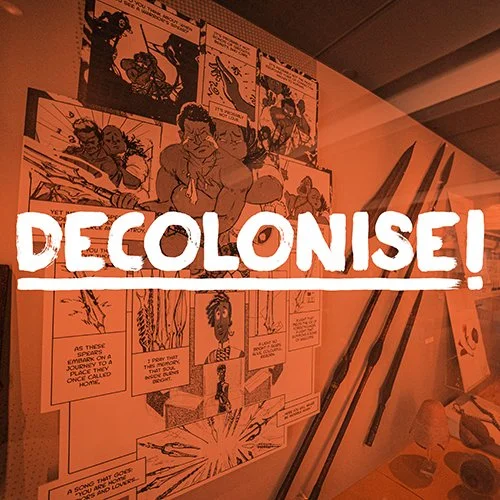
Decolonise!
An invitation to reflect on the Museum’s past, present and future.
How did the collections in this museum get here? Whose stories are told across the galleries? How do museums shape our understanding of the world?
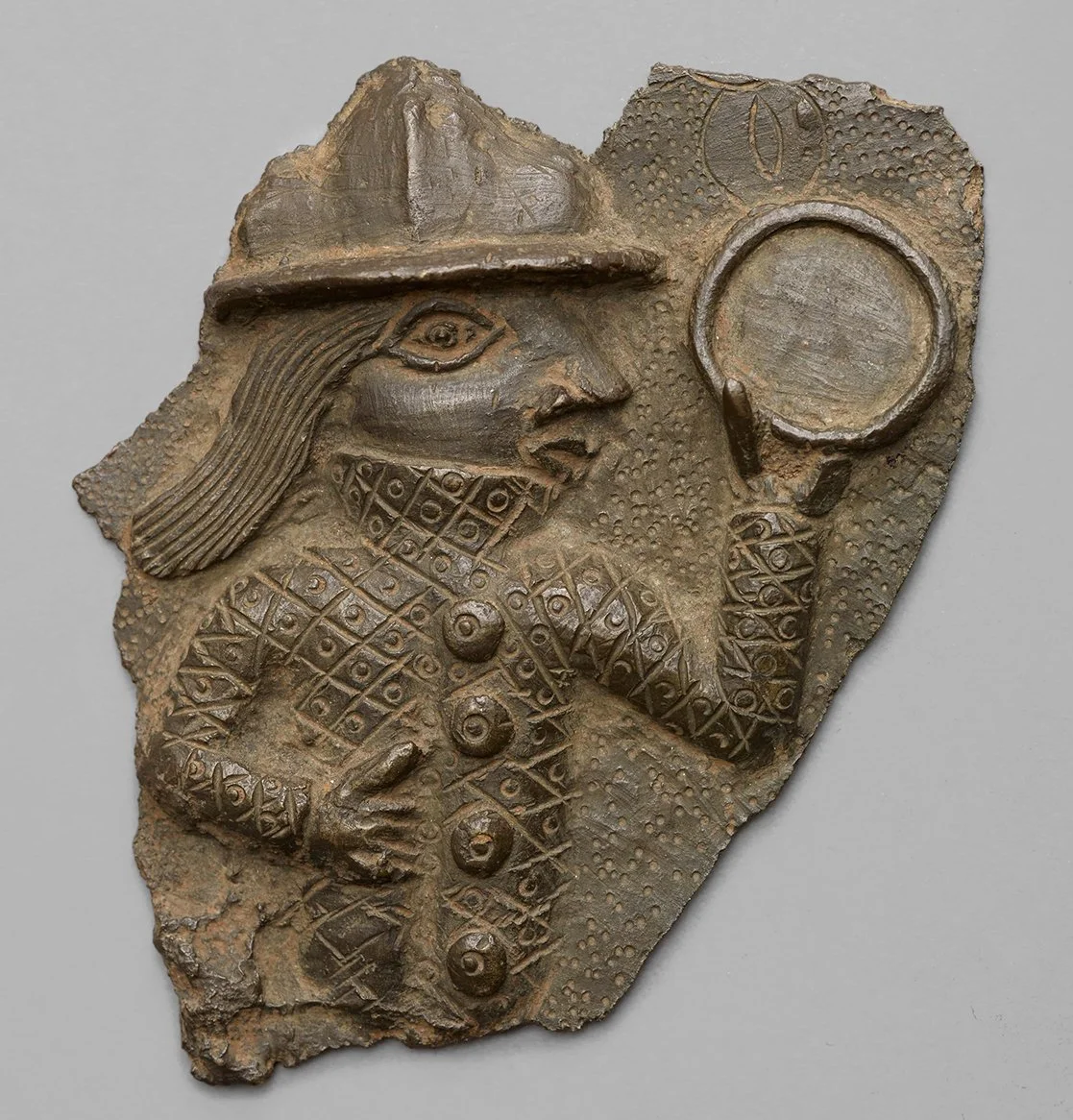
Digital Benin
We submitted images of Benin cultural material that we hold in support of the creation of a digital data base. This database, which was launched on the 4 November 2022, has images of over 5,240 objects looted during the nineteenth century British punitive expedition on the Kingdom of Benin.