
Zoology
COLLECTION
CURATOR: GLENN ROADLEY
From Aardvarks to Zebras, whales to microscopic single-celled animals, the museum collection includes about one million specimens.
The zoology collection includes many mounted mammals (most of the best are on display), one of the largest collections of shells in the UK, large collections of birds, eggs, bryozoa (small marine animals) and a very diverse collection of specimens preserved in spirit. The collection is worldwide in scope, with specimens from the Arctic to the Antarctic, and from all the world’s oceans.
AN INTRODUCTION TO ZOOLOGY COLLECTIONS, WITH GLENN ROADLEY, CURATOR OF ZOOLOGY.
It is particularly rich in animals from the North West, the UK, and from the former British empire. The collection includes many famous ‘characters’, including Maharajah the Elephant and Maude the Tigon (both lived in Manchester’s Belle Vue Zoo), and the skull of Old Billy, the oldest horse in the world (he died aged 62). The collection also includes specimens from famous experts and researchers, including birds collected on the Galapagos by Charles Darwin in 1835.
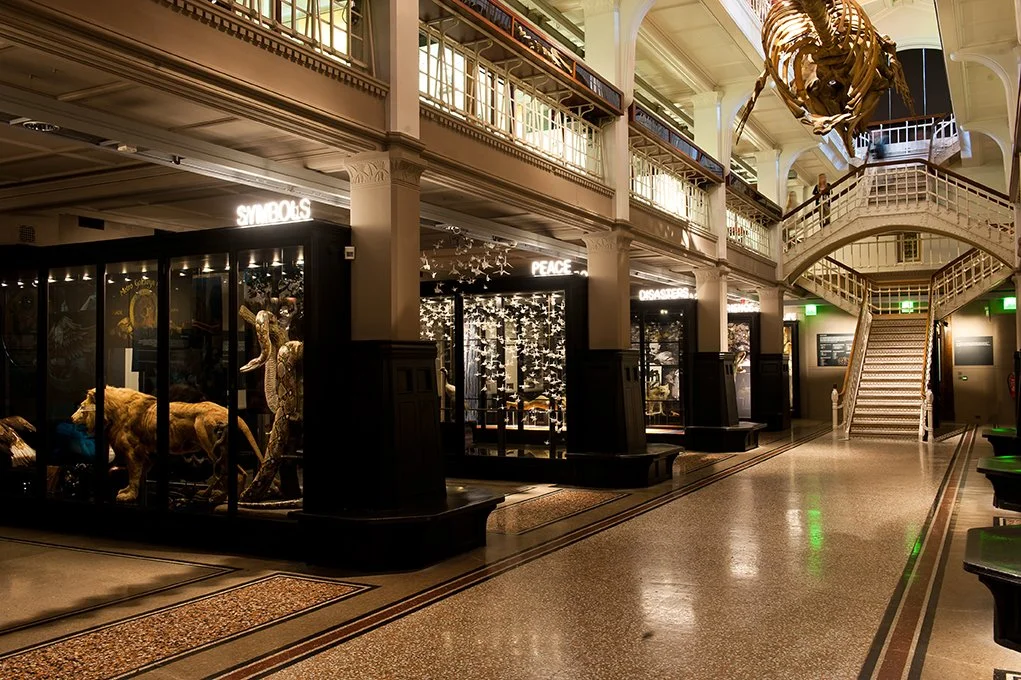
THE LIVING WORLDS GALLERY, FLOOR 1.
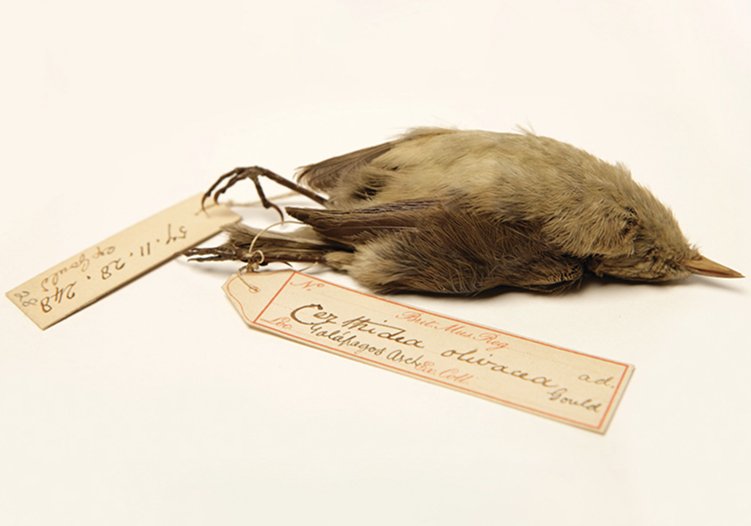
DARWIN’S FINCH, COLLECTED BY CHARLES DARWIN FROM THE GALAPAGOS ISLANDS IN 1835, ONE OF A COLLECTION OF SPECIMENS THAT WERE INFLUENTIAL IN HOW HE DEVELOPED HIS IDEAS ON EVOLUTION BY NATURAL SELECTION, B.3089.
Researchers use the stored collections to understand where animals lived in the past (using the information from data labels). They also explore how the environment has changed over time by sampling our specimens for levels of different chemicals. Modern techniques enable scientists to study the DNA of specimens, showing their relationships, and helping scientists understand how populations have changed over time.
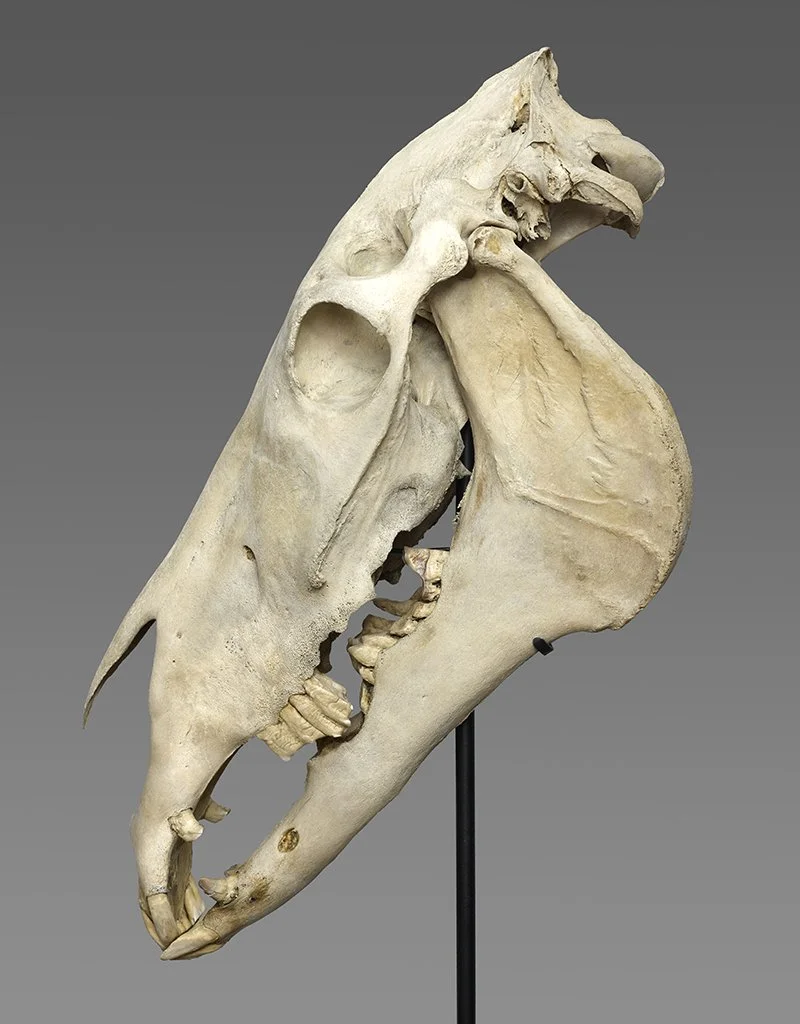
OLD BILLY, BORN IN 1760 NEAR WARRINGTON, BECAME THE WORLD’S OLDEST HORSE. HIS SKULL IS ON DISPLAY IN LIVING WORLDS.
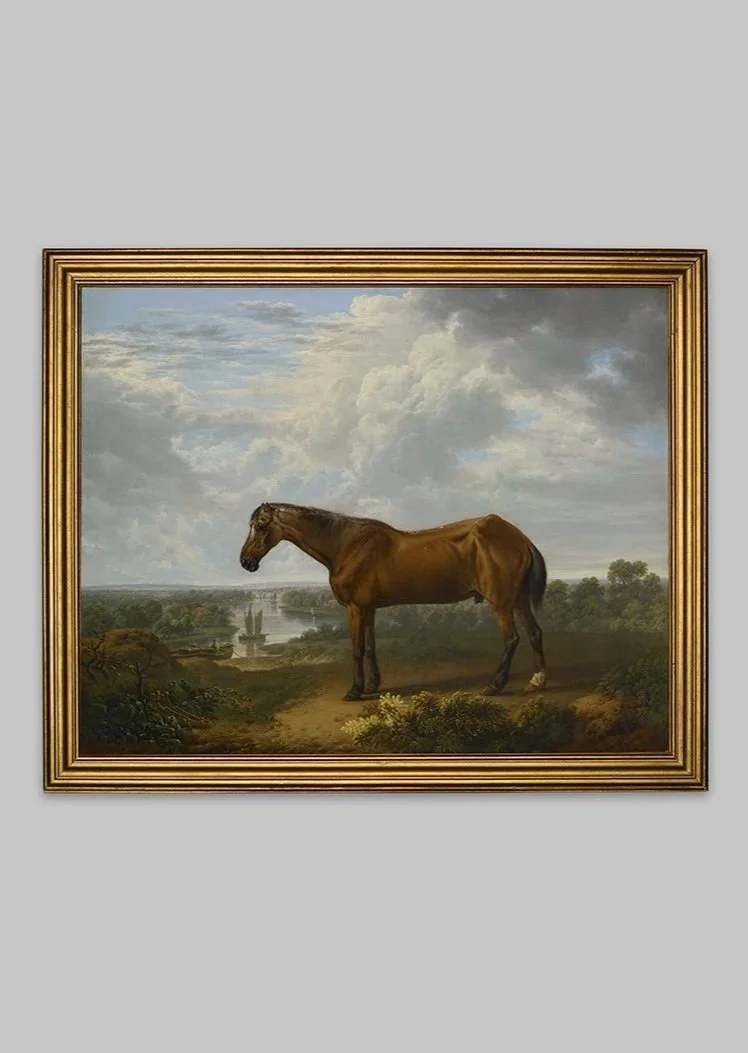
OIL PAINTING OF OLD BILLY, BY CHARLES TOWNE (1763-1840). PHOTOGRAPH BY MICHAEL POLLARD.
Zoology collection highlights
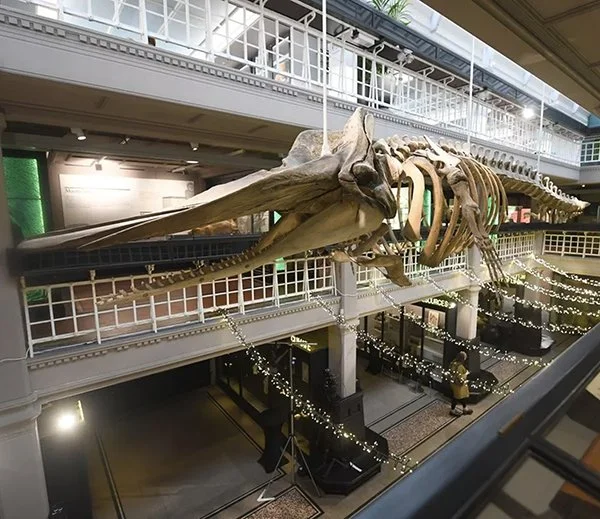
Sperm whale skeleton
This Sperm Whale skeleton, stranded in Massachusetts in 1896, has amazed Manchester visitors since 1898, revealing the immense scale, deep-diving power and remarkable lives of these extraordinary ocean giants.
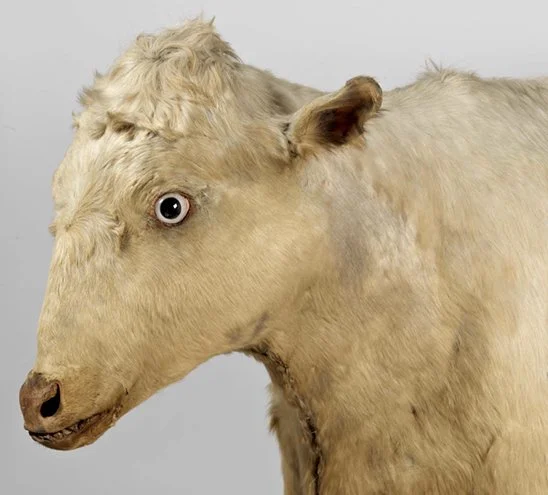
Mr Potter's Cow
Mr Potter’s cow, a rare white breed first introduced to Britain by the Romans, was preserved in 1837. It reflects centuries of domestic cattle breeding and the changing relationship between humans and livestock.
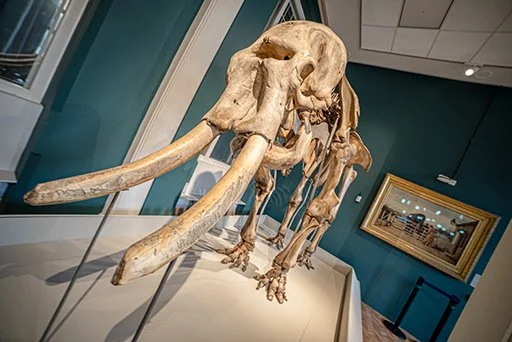
Maharajah the Elephant
When his circus was sold in 1872, Maharajah the Asian elephant walked over 200 miles from Edinburgh to Manchester, guided by his keeper. His skeleton at Manchester Museum preserves this epic journey and life story.
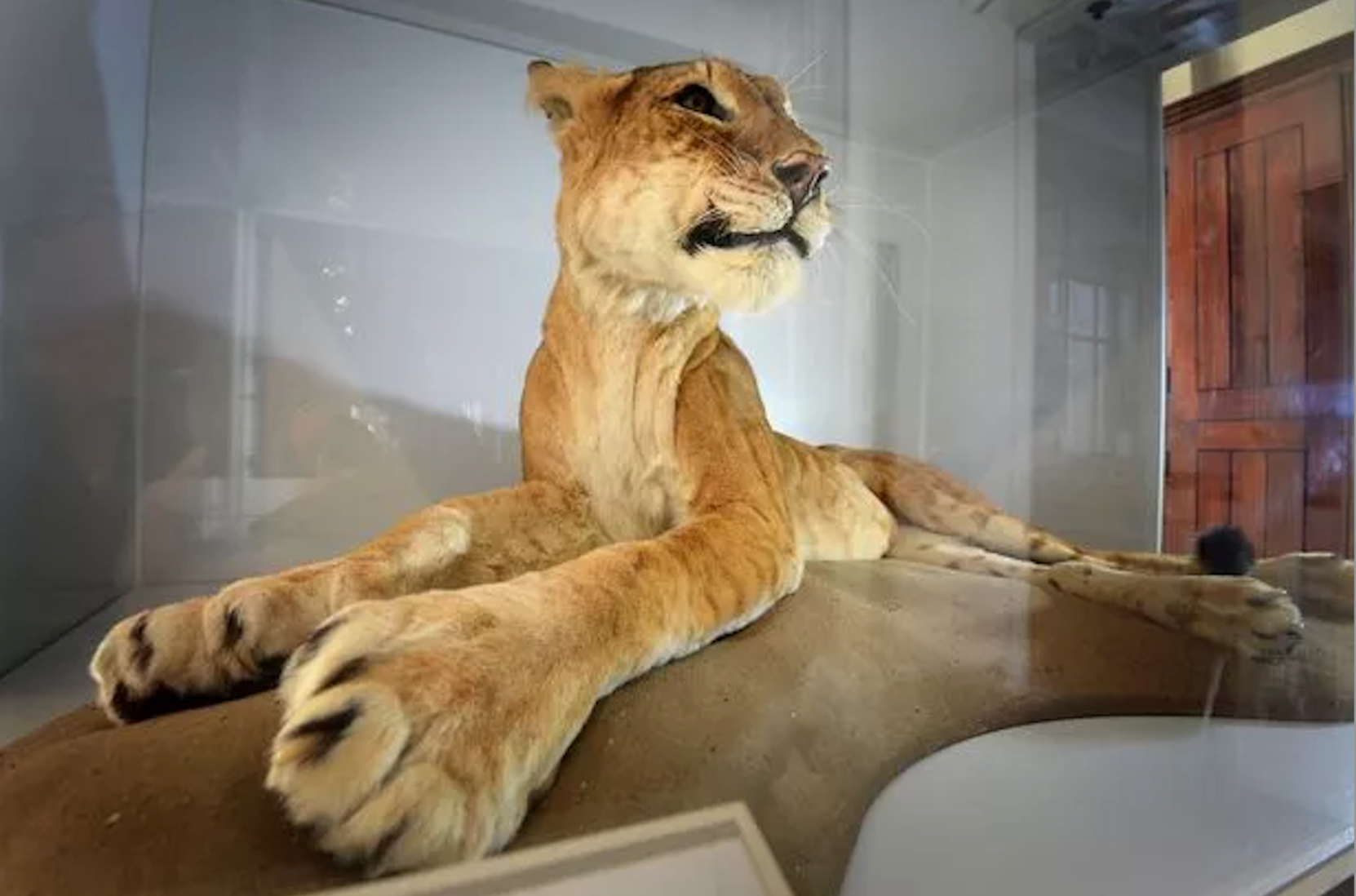
Maude the Tigon
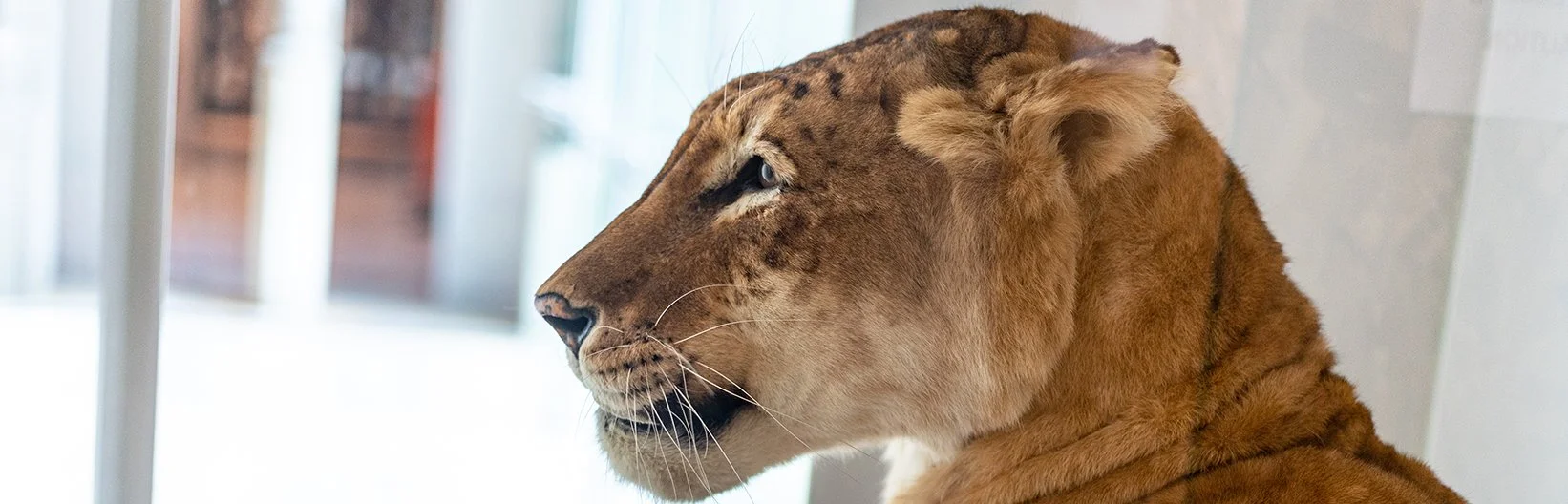
Maude the Tigon lived at Belle Vue Zoo in Manchester. Born from a tiger and a lioness, her story reflects how human choices shaped the lives of animals in captivity.
Glenn Roadley Curator of Zoology Collections
glenn.roadley@manchester.ac.uk
As Curator of Zoology, Glenn is responsible for the management, care of and access to the Zoology collections. This includes approximately one million preserved animals, excluding Arthropods (invertebrate animals with an exoskeleton, like spiders and insects – these fall under our Entomology collections).
His role involves ensuring that the Zoology collections are well documented, responding to questions from visitors, facilitating research access to the collections, delivering talks and tours, supporting the development of exhibitions and displays and much more! From taxidermy mammals to fish stored in alcohol, skeletons to seashells, Glenn always find natural science collections fascinating and a privilege to work with.
As someone passionate about nature conservation and the potential of museum collections as an advocacy tool, he greatly enjoys working in creative ways to tell engaging stories that aim to connect museum visitors with nature.
As part of his work supporting others in the museum sector, Glenn also volunteers as a Trustee of the Natural Sciences Collections Association (NatSCA), a UK-based charity which supports natural science collections and those working with them.