
Herpetology
COLLECTION
CURATOR: MATTHEW O’DONNELL
The Vivarium houses a collection of live amphibians and reptiles including many critically endangered species.
It is unusual for a museum to care for live animals, but Manchester Museum has done so for over 60 years, offering a unique opportunity to see rare and beautiful creatures and watch conservation in action.
The Vivarium is recognised worldwide for its conservation work. A recent success story, and a landmark moment in the museum’s history, was the captive breeding of the variable harlequin toad (also known as Atelopus varius). Variable harlequin toads are tiny creatures – small enough to fit into the palm of a child’s hand – and are incredibly precious. Originating from Panama and Costa Rica, their population has experienced drastic declines in recent years, and they are classed as critically endangered. Their presence in the Vivarium is the culmination of many years of hard work and collaboration, which will help to secure the future of a species that could have disappeared entirely.
AN INTRODUCTION TO THE HERPETOLOGY COLLECTIONS, WITH MATTHEW O’DONNELL, CURATOR OF HERPETOLOGY.
In 2018, the team began re-creating the exact conditions of the variable harlequin toad’s habitat in Panama. This included providing precise temperatures and lighting and mimicking turbulent tropical streams with boulders and rocks to encourage egg-laying. In 2021, in a moment of triumph, the team found a cluster of white eggs among the rocks in the tank. One of the world’s rarest and most endangered toads had been successfully bred in Manchester Museum.
The breeding of the variable harlequin toad is the result of an inspiring partnership project between the museum, Panama Wildlife Conservation charity (PWCC) and the Faculty of Medicine, Biology and Health at the University of Manchester. The Vivarium’s amphibians are small in size but huge in significance. They are living ambassadors for sustainability, conservation and collaboration across continents.
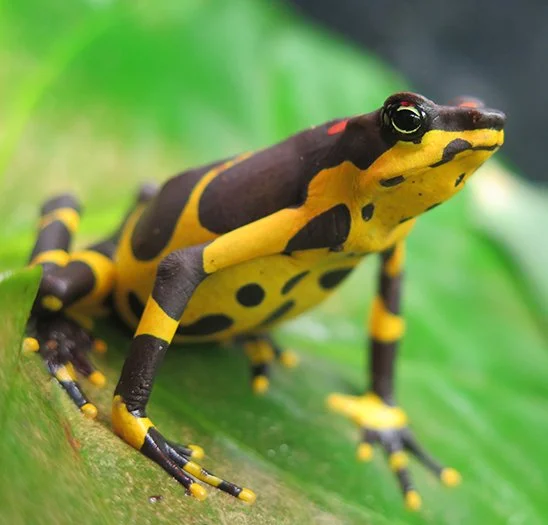
VARIABLE HARLEQUIN TOAD, ATELOPUS VARIUS.
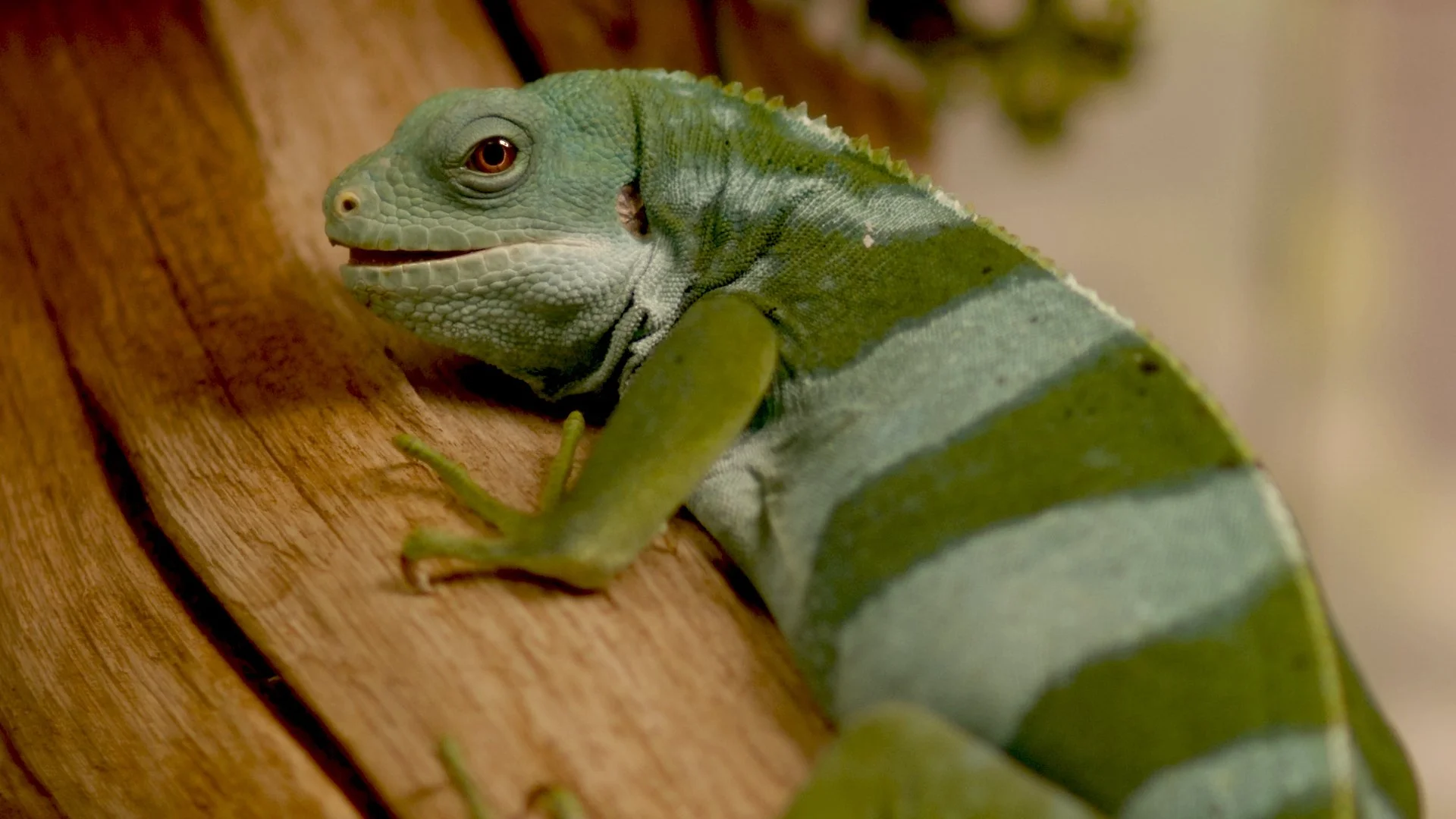
FIJIAN BANDED IGUANA, BRACHYLOPHUS FASCIATUS.
Herpetology collection highlights
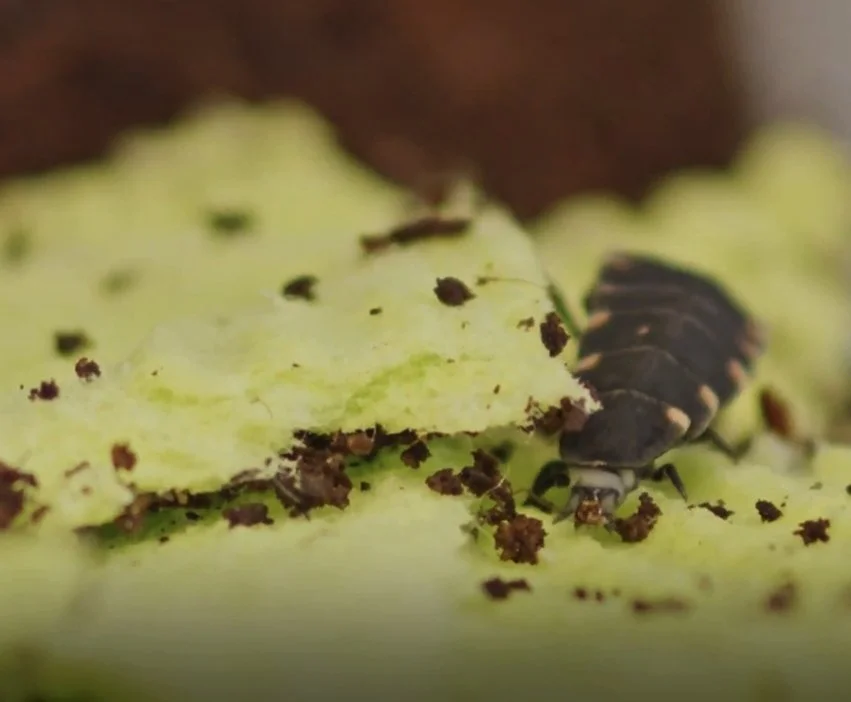
Glow worms (Lampyris noctiluca)
These bioluminescent beetles are native to the UK. The Museum supports research and monitoring projects, including the Cumbria Glow Worm Project, helping to protect and study their populations in northern England.
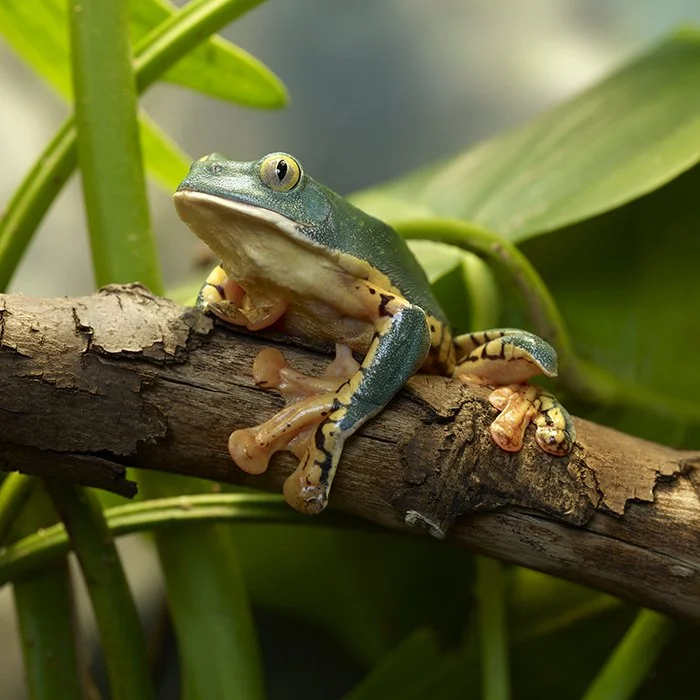
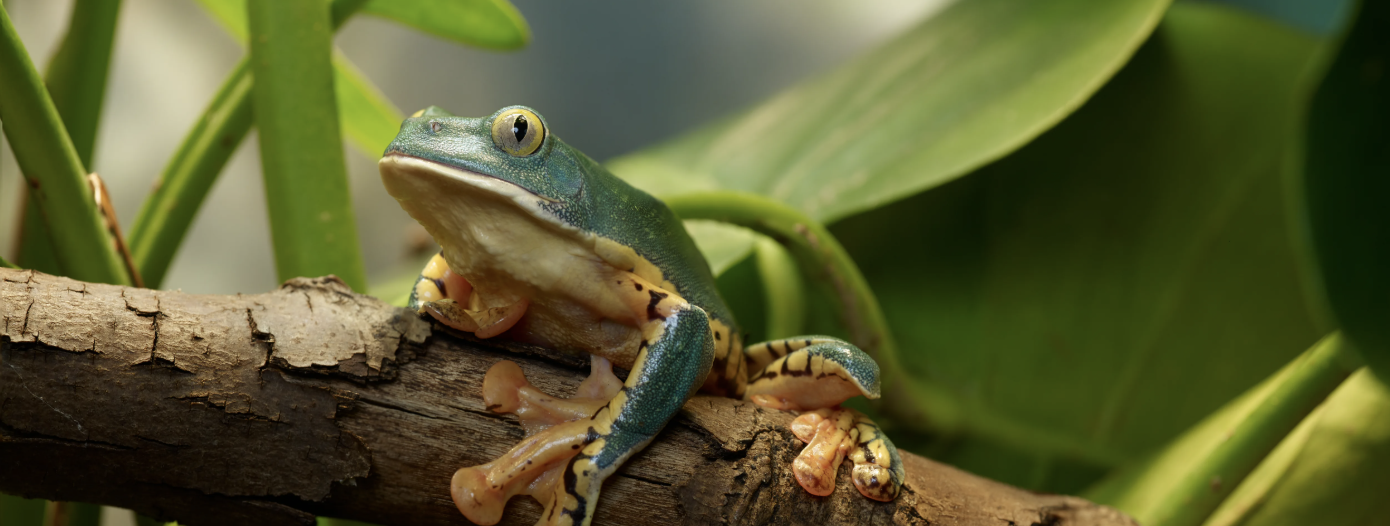
Sylvia’s leaf frog (Cruziohyla sylviae)
Former Manchester Museum Curator of Herpetology, Andrew Gray, discovered a new tree frog species, Cruziohyla sylviae, named after his granddaughter. His work highlights the urgent need for species conservation.
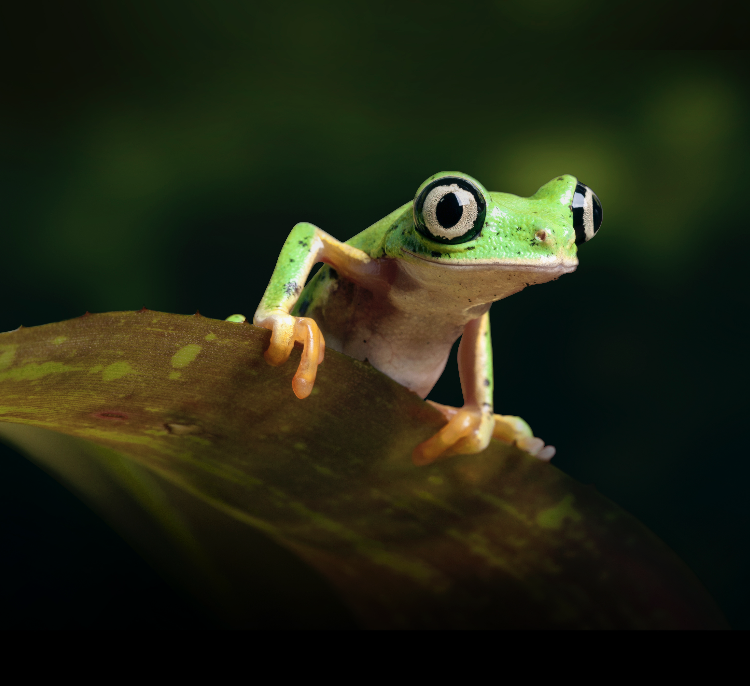
Lemur leaf frog (Agalychnis lemur)
This colourful tree frog from Central America is part of conservation and research work at Manchester Museum, highlighting the importance of protecting rainforest habitats and studying its ecology and behaviour.

Fiji banded iguana (Brachylophus fasciatus)
This striking iguana from Fiji is part of conservation and research efforts at Manchester Museum, highlighting its threatened status, unique behaviour, and the importance of protecting Pacific island habitats.

Matthew O’Donnell Curator of Herpetology
matthew.odonnell@manchester.ac.uk
Matthew is an experienced herpetologist, conservationist and molecular ecologist who has been a part of the Museum’s Vivarium for 10 years. Driven by a passion for the natural world, he strives to combine science communication and cutting edge research to help conserve some of the rarest species in the world. As curator of herpetology, his goal is to develop partnerships with NGOs, local/international communities and researchers through the lense of amphibian conservation, as a route to deliver on our mission to build understanding between cultures and a more sustainable world.
In addition to his primary job functions, Matthew is also completing a PhD in molecular ecology – ‘Environmental DNA metabarcoding as a conservation tool for monitoring endangered herpetofauna’ and has been actively involved in the museum’s Enviornmental Action Group (EAG) as co-chair since its inception in 2022.