
It’s not all frogs – behind the scenes, the vivarium is also home to several hundred glow worms (Lampyris noctiluca) as part of a captive breeding and introduction programme in collaboration with several partners across England.
Glow worm populations have sadly been in decline throughout the UK over the past two decades, mainly due to habitat loss and fragmentation, light pollution, pesticides and climate change. This project aims to better protect glow worms from these challenges by understanding what they need in their environment to thrive and determining what these healthy populations look like, before establishing new ones in the wild from our captive bred groups.
Alongside her work at the Vivarium, our Curatorial Assistant Bethany has been busy surveying, releasing and monitoring glow worm populations across the North West. Here’s just a snippet of the developments so far in 2026!
Lowther Estate
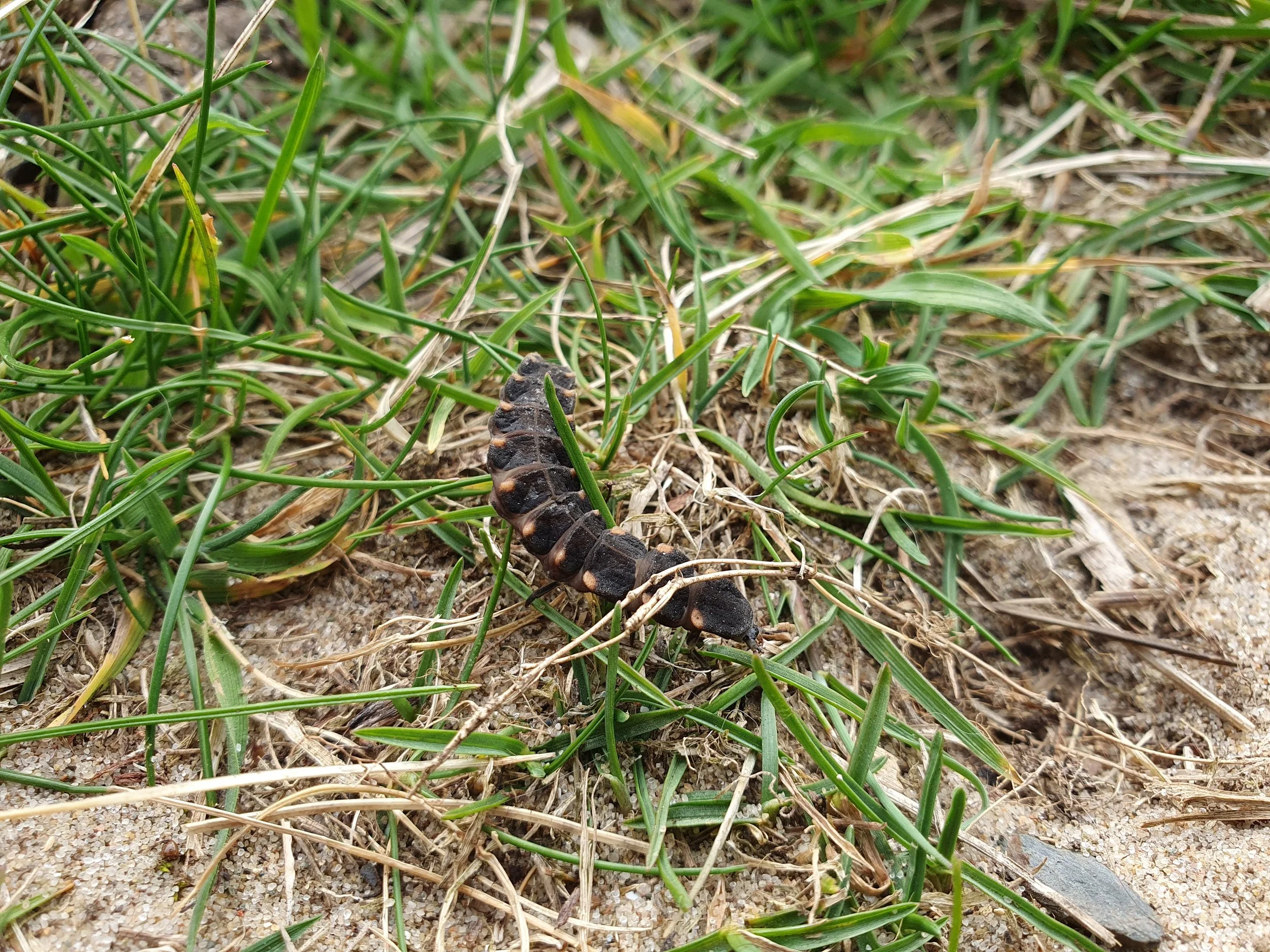
Following the first year of introductions at the Lowther Estate in Cumbria in 2025, at the end of August this year we released a second batch of 400 glow worm larvae into the same location.
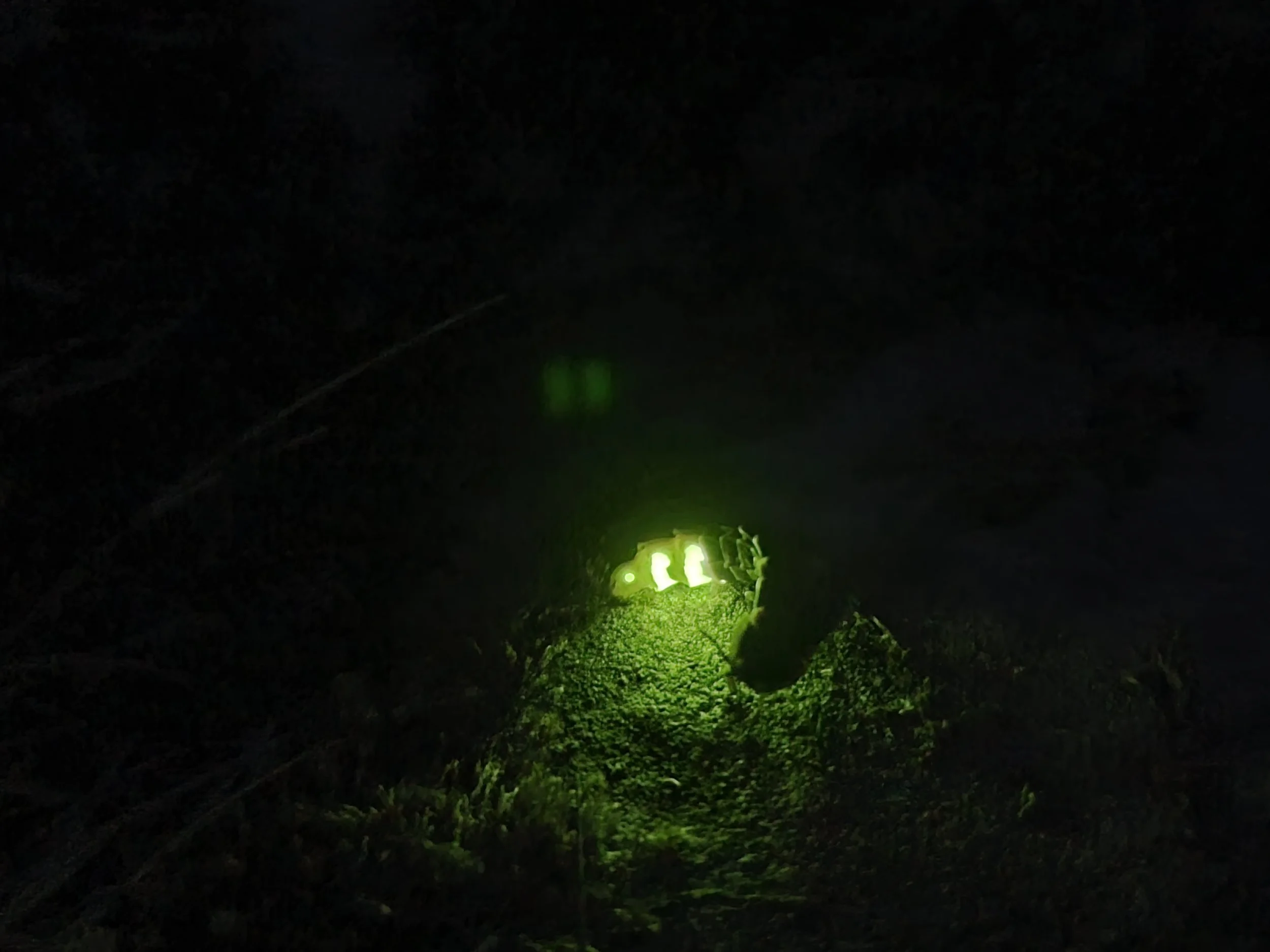
Glow worms typically have a life cycle of around two years, with only a few weeks of this spent in the adult form with their characteristic bioluminescence which is used by females to attract a mate. This is the sole purpose of their short adult life – in fact, adult glow worms don’t even have mouthparts to eat.
Because of this life cycle, we’re patiently waiting until next summer to hopefully see the 2025 introduction cohort glowing. By releasing another population this year, we will theoretically be able to see them glowing every June and July moving forward.
Before releasing the new population of glow worms, we conducted surveys on the area between June and August to assess mollusc populations and reconfirm that there were no glow worms already on the site. This involves lots of late nights, walking along transects on the survey sites between 22:30 and 12:30 and watching out for the glowing beetles in the dark. It’s hard work, but we were fortunate to have lots of passionate volunteers associated with the Lowther estate come out to help.
Although on the release site surveys we saw nothing but snails and slugs (a good sign, as it means our release is worthwhile) our surveys at other areas in Cumbria had us finding up to 50 glowing females, which shows that the chosen habitat type will hopefully be successful!
Broughton sanctuary
As well as our populations on the Lowther Estate, 2026 marked the first year of introductions at Broughton Sanctuary, Yorkshire in a limestone habitat. Much of the sanctuary has been rewilded following a 7-year rewilding initiative, making it an ideal candidate for this programme. We hope to action a second introduction next year, and see our original cohort glowing in summer 2028.
Bethany has also been surveying additional sites across Lancashire and Cumbria to find populations not formally recorded before and to check on existing populations, to see how this project can be expanded in the future. There are exciting times ahead for this iconic little species!
To report your glow worm sightings UK Glow worm survey home page.
For more information on the projects and the work of our partners visit:
Nature Recovery at Broughton Sanctuary - Rewilding the Dales