
MANCHESTER MUSEUM CELEBRATES
Vesak
Celebrate Vesak with us
Vesak is one of the most important events in the Buddhist calendar where Southern schools of Buddhism celebrate the Birth, Enlightenment, and Passing Away of Gautama Buddha.
This colourful celebration is a time to spread light, love, and kindness.
Below are 6 symbols that hold importance and meaning in Buddhism relating to Vesak.
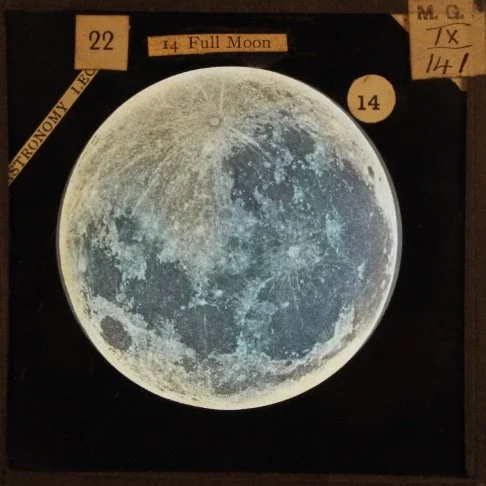
Full moon
Vesak falls on the first full moon of the lunar month of Vaisakha, usually in May. In Buddhism, full moon days hold spiritual and religious significance because certain important events connected with the life of Lord Buddha took place on full moon days. On these days, Buddhists may devote their time to spiritual development, observe monastic practices, and visit temples.
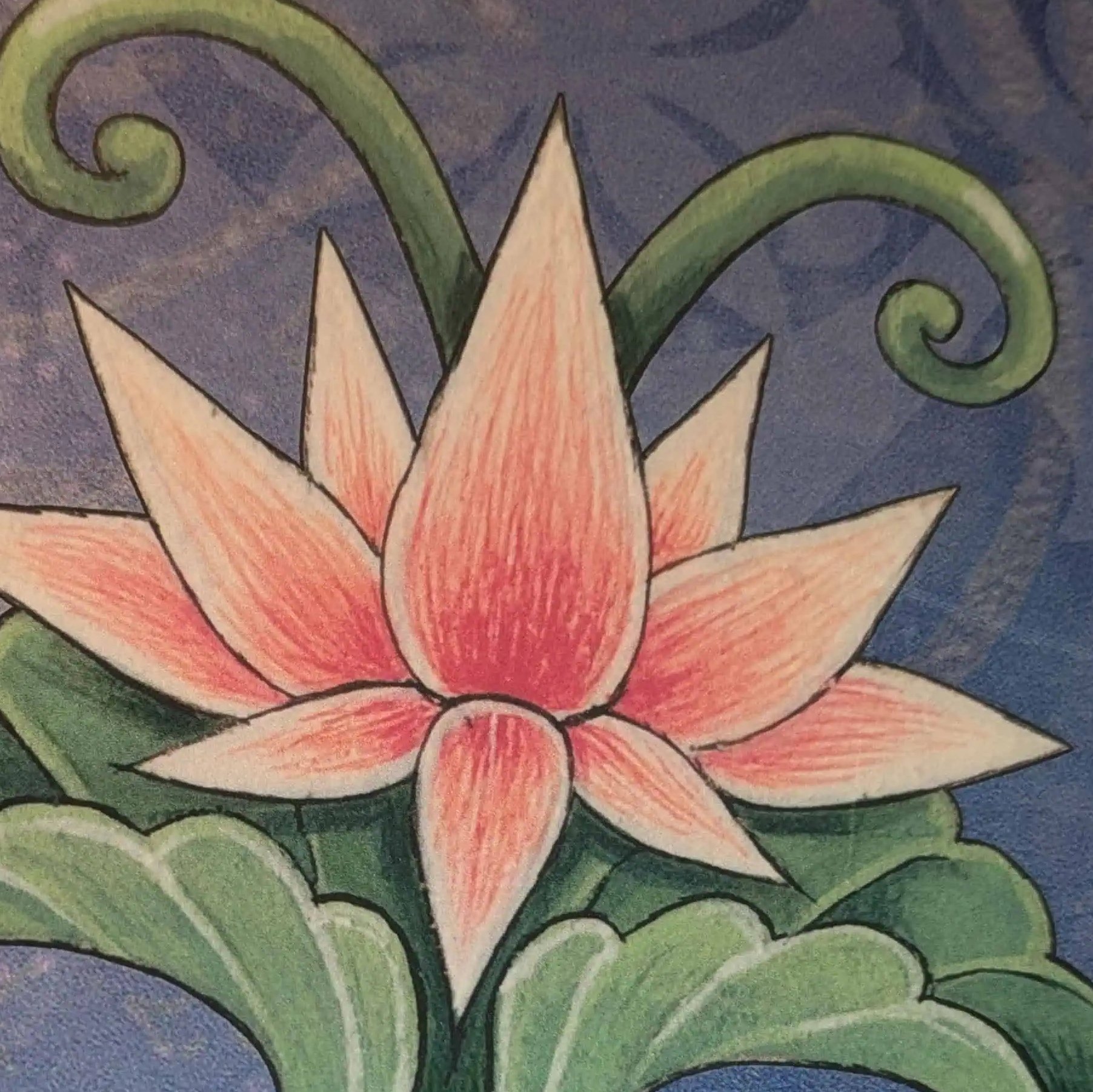
Lotus flowers
Offerings of flowers, particularly Lotus, are made at temples and shrines on Vesak to express reverence and gratitude to the Buddha’s teachings. The lotus flower is an important symbol of purity, enlightenment and the potential for spiritual growth – much like how the lotus blooms in muddy water.
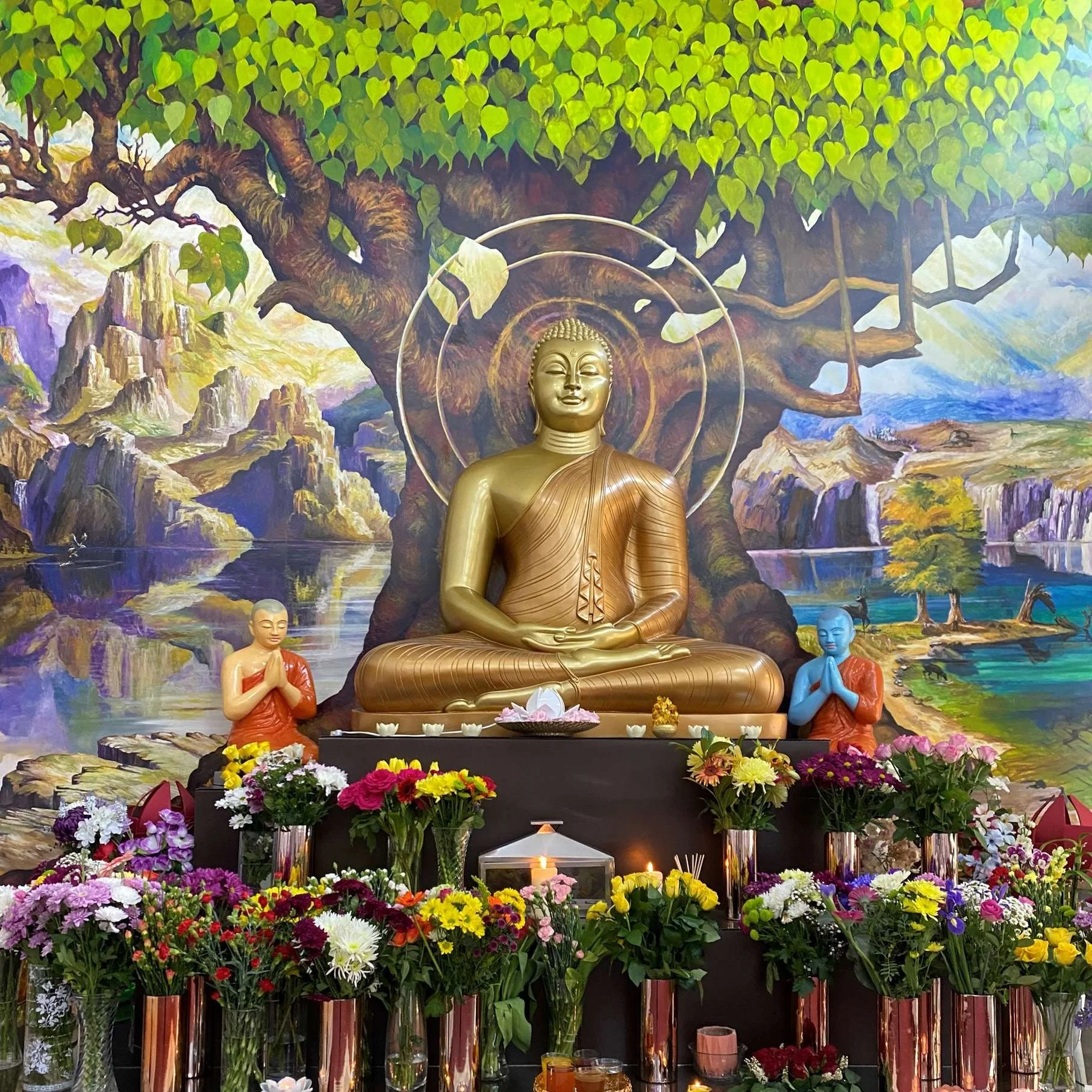
Bodhi tree
Gautama Buddha is said to have attained enlightenment while meditating under a sacred fig tree in Bodh Gaya, India, known as the Bodhi Tree or Tree of Awakening. The Bodhi Tree is a symbol of enlightenment and spiritual transformation, and is recognisable by its heart-shaped leaves.
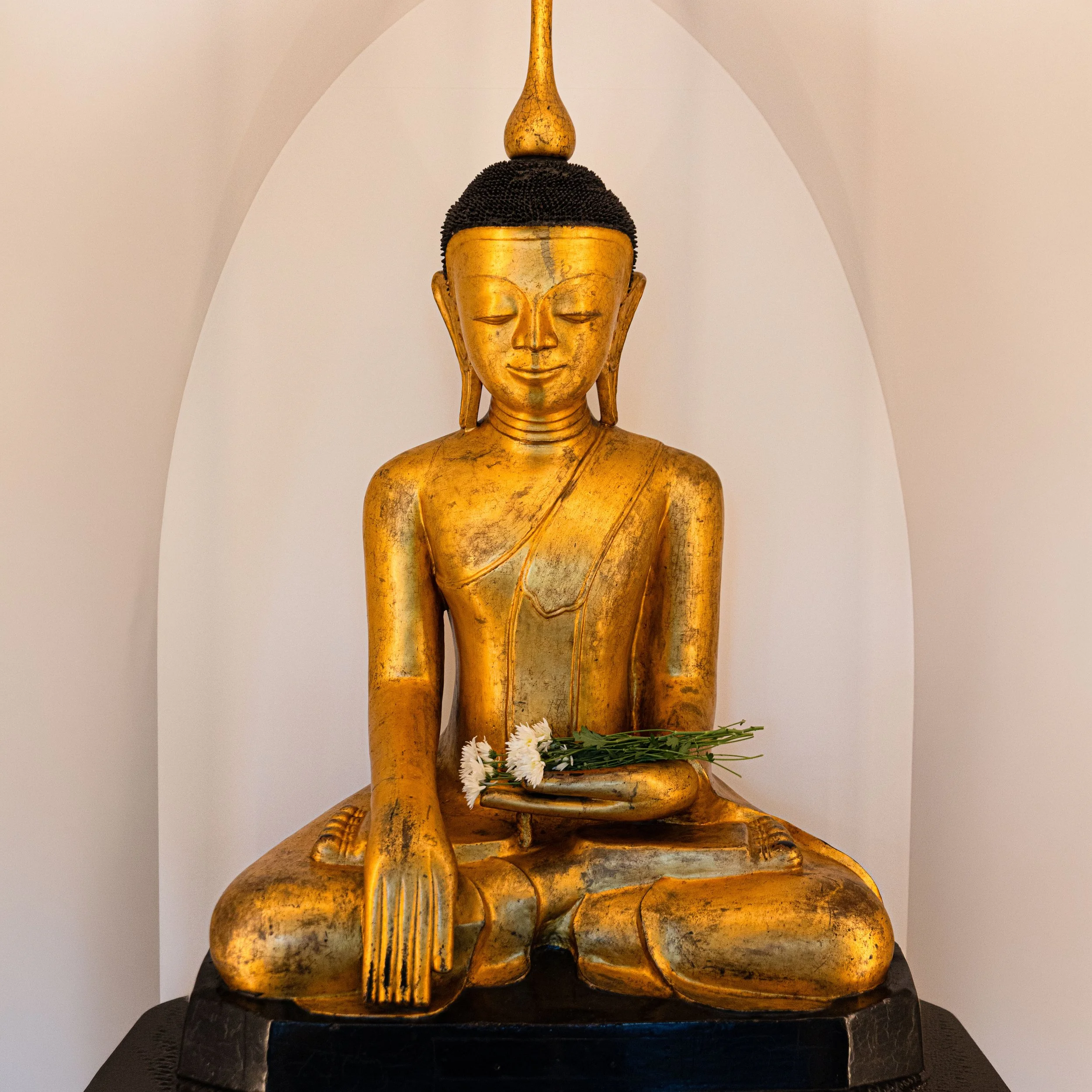
Buddharupa
Buddharupa (“Form of the Awakened One”) refers to statues or models of the Buddha. While there are cultural variations, the Buddha is commonly depicted seated with legs crossed in the lotus position, symbolic of spiritual growth and wisdom. Buddharupas are used as objects of meditation, veneration, and symbols of the Buddha’s teachings.
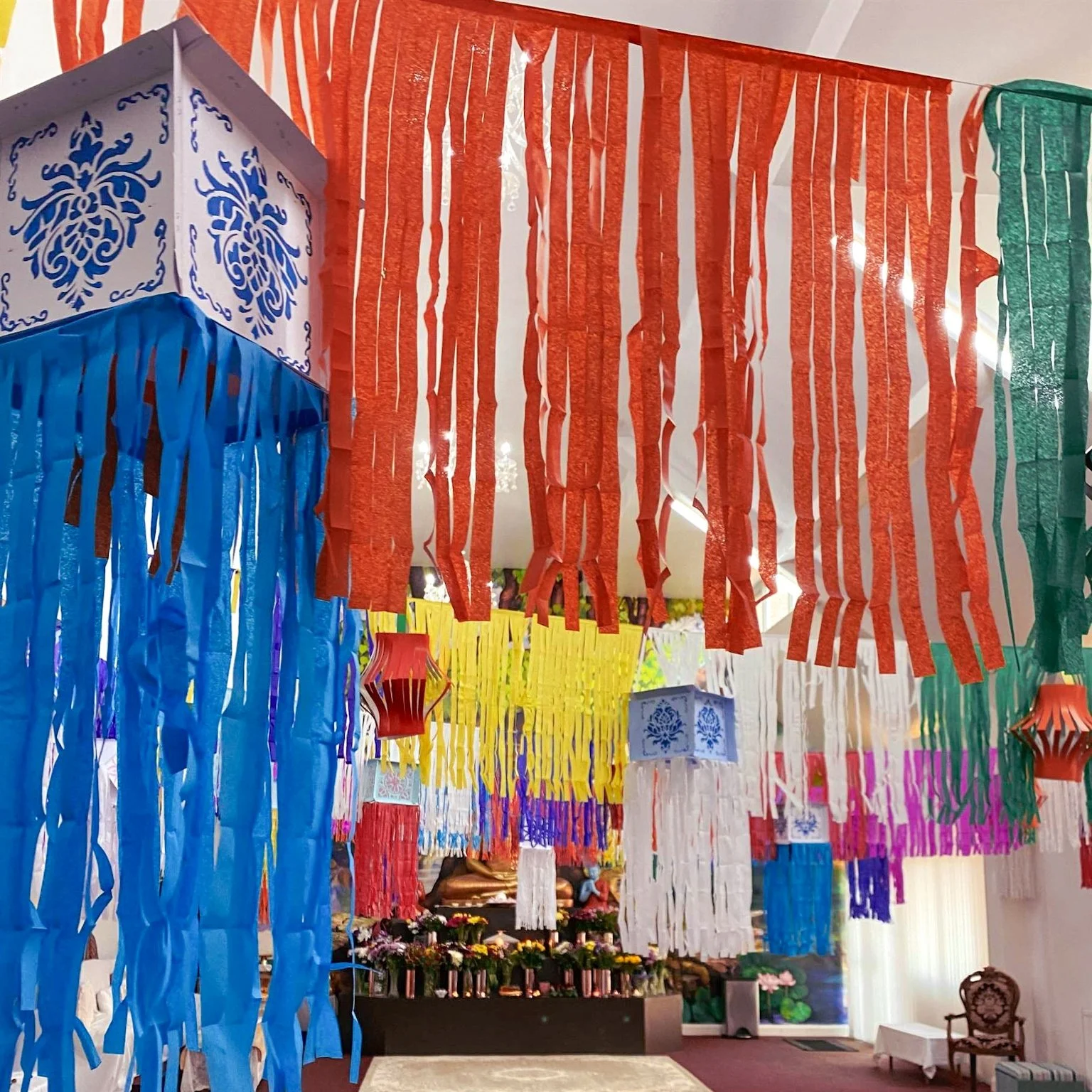
Vesak lanterns
Making colourful lanterns together is an exciting part of preparing for Vesak festivals and celebrations. These lanterns are hung along streets and in front of homes to fill our homes with light. In some countries, lanterns are released into the sky during festivals. They signify the light of the Buddha and his teachings.
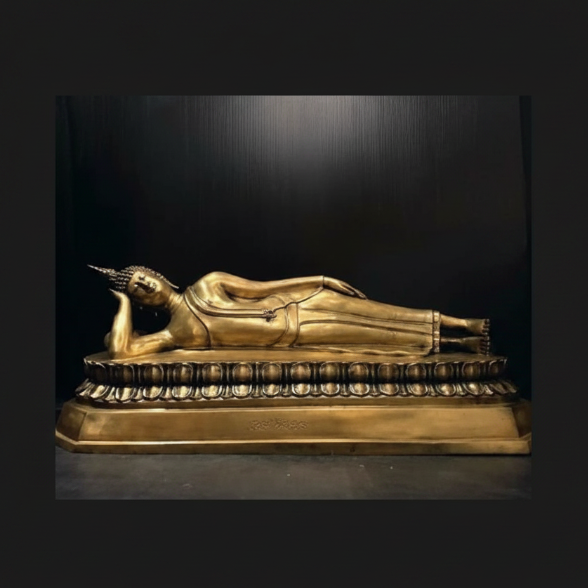
Buddha statues in Thailand
Throughout Thailand you are likely to see a wide range of Buddha statues. You’ll instantly notice that the various statues are displaying many different poses and this is by no accident. In fact, there are 7 various poses representing the 7 different days of the week. Each holding a certain significance and representing different personal traits.