
FREE | ONLINE EXHIBITION
Money shapes the choices we make, the security we feel and the futures we are able to imagine, yet we rarely stop to think about it until something goes wrong. From the cost of living to changing technologies and digital payments, moments of crisis reveal how deeply money influences the way we live.
Created by historian Dr Stefano Locatelli in collaboration with Bryan Sitch, Honorary Curator of Numismatics at Manchester Museum, Money in a time of crisis brings together stories from across history that show how societies have responded when currencies have lost value, financial systems came under pressure, or new forms of money emerged.
Drawing on Manchester Museum's numismatic collections, the exhibition connects moments of financial crisis with the human stories that sit behind them.
Museum collections, human stories
The price of survival
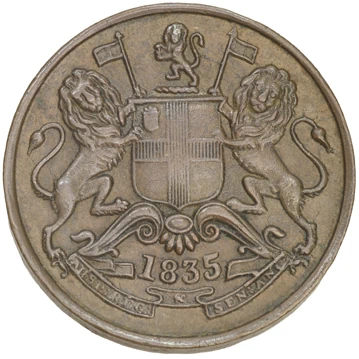
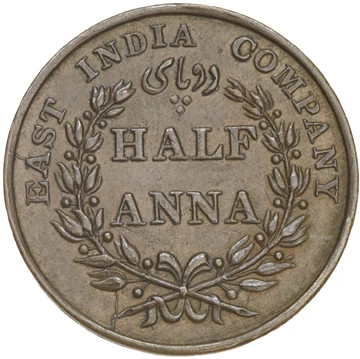
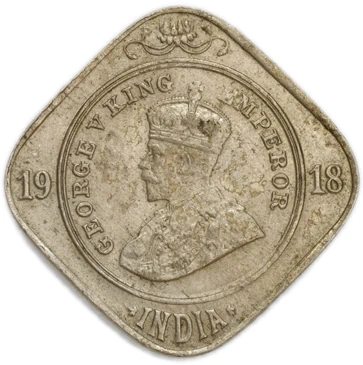
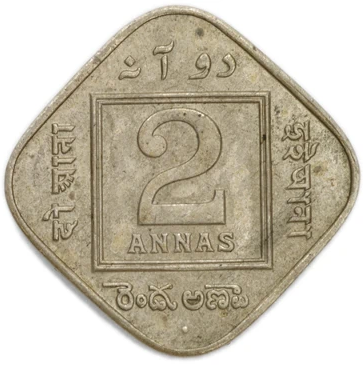
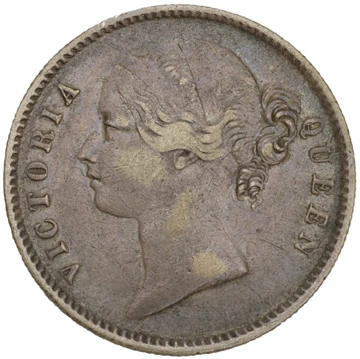
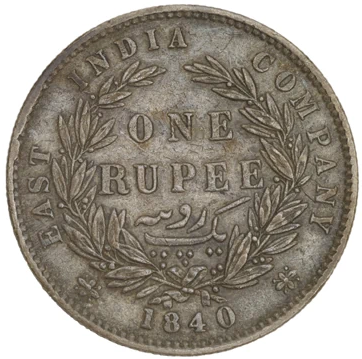
During the Great Depression, many people in rural India found themselves trapped between falling incomes and rising debt. As the colonial government prioritised payments to Britain, money became harder to access, loans were called in, and interest rates increased. Farmers, who were already struggling to make ends meet, were hit particularly hard as agricultural prices collapsed. This made it even more difficult to repay what they owed. For many families, gold jewellery represented a lifetime of savings and security. The financial struggles that people were facing forced many people to sell these possessions, just to survive. The story of the Indian rupee during this period is not only about monetary policy and global finance, but also about the human cost of decisions that left communities carrying the burden of a crisis they did not create.
A reminder that large historical events are always lived through everyday experiences, families and communities, a theme that also runs through Manchester Museum's South Asia Gallery.
Have a close look at the collections and find out more in the exhibition.
The promise of paper
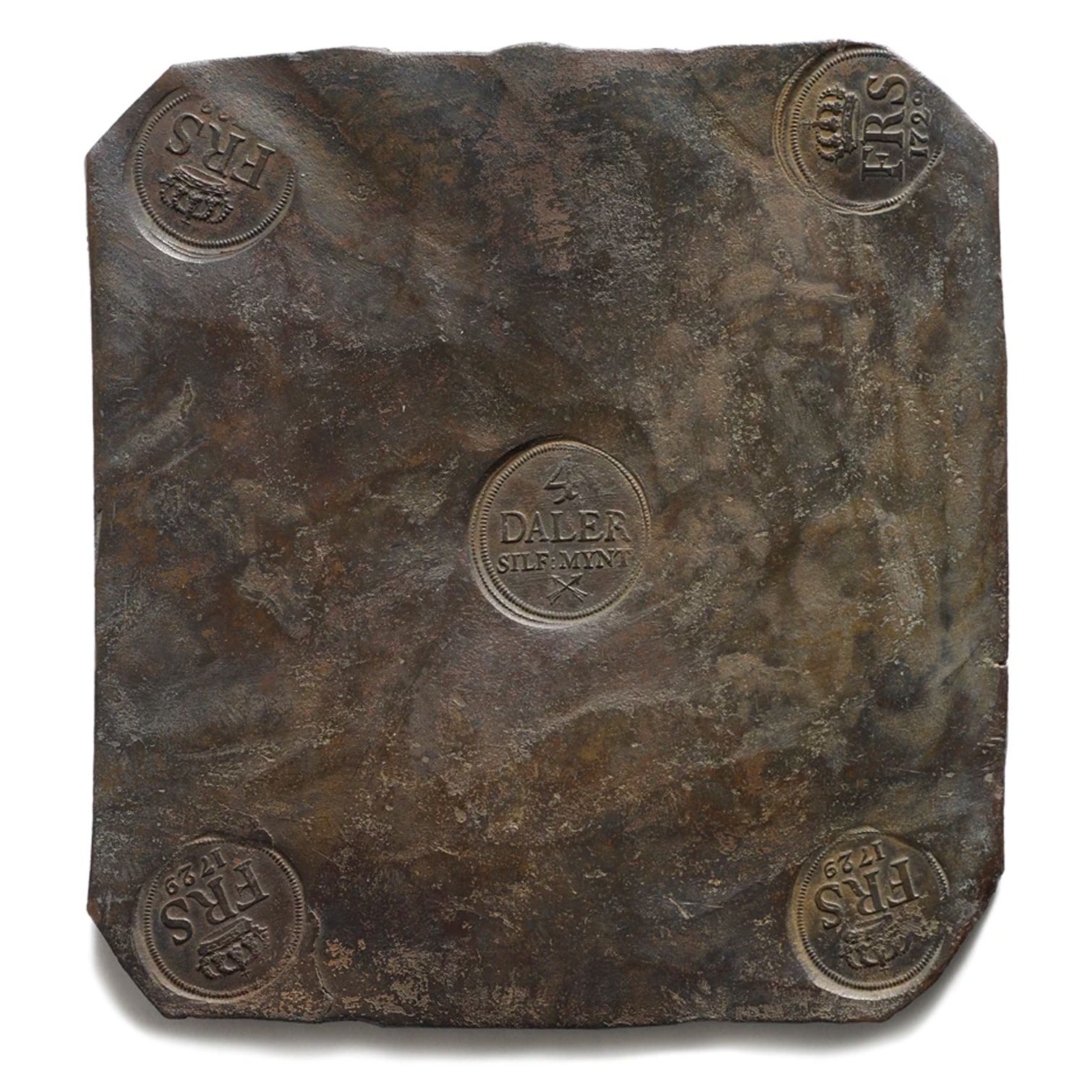
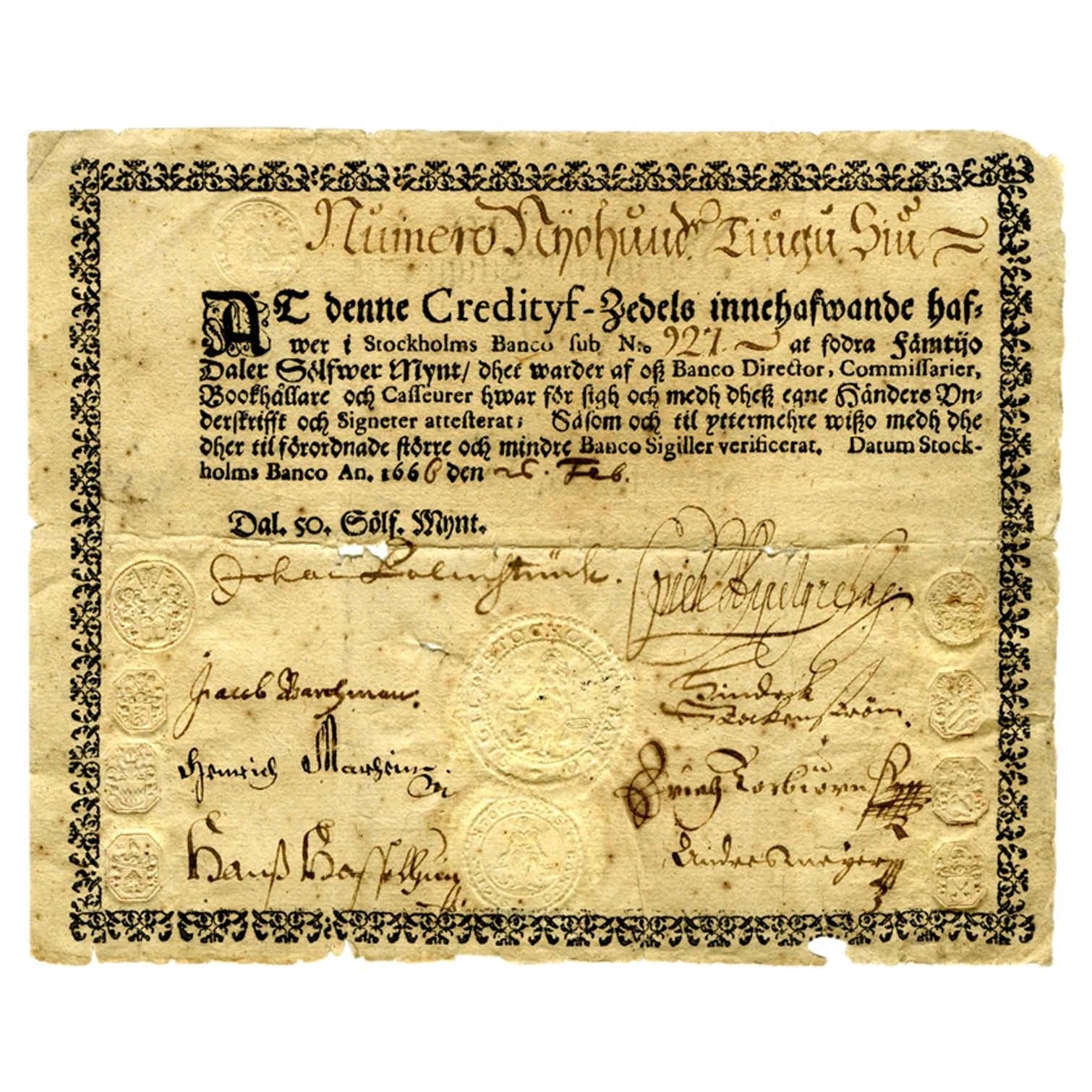
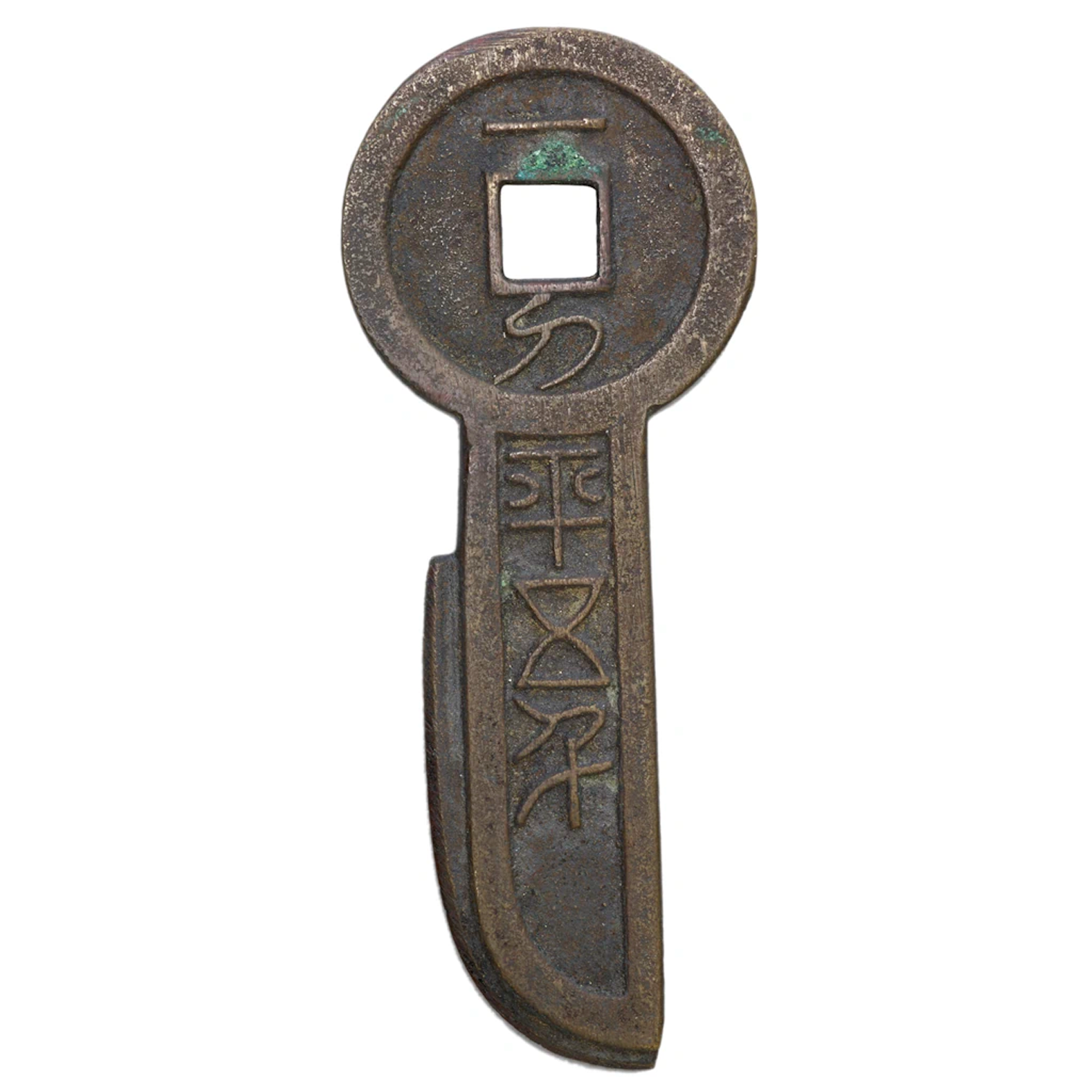
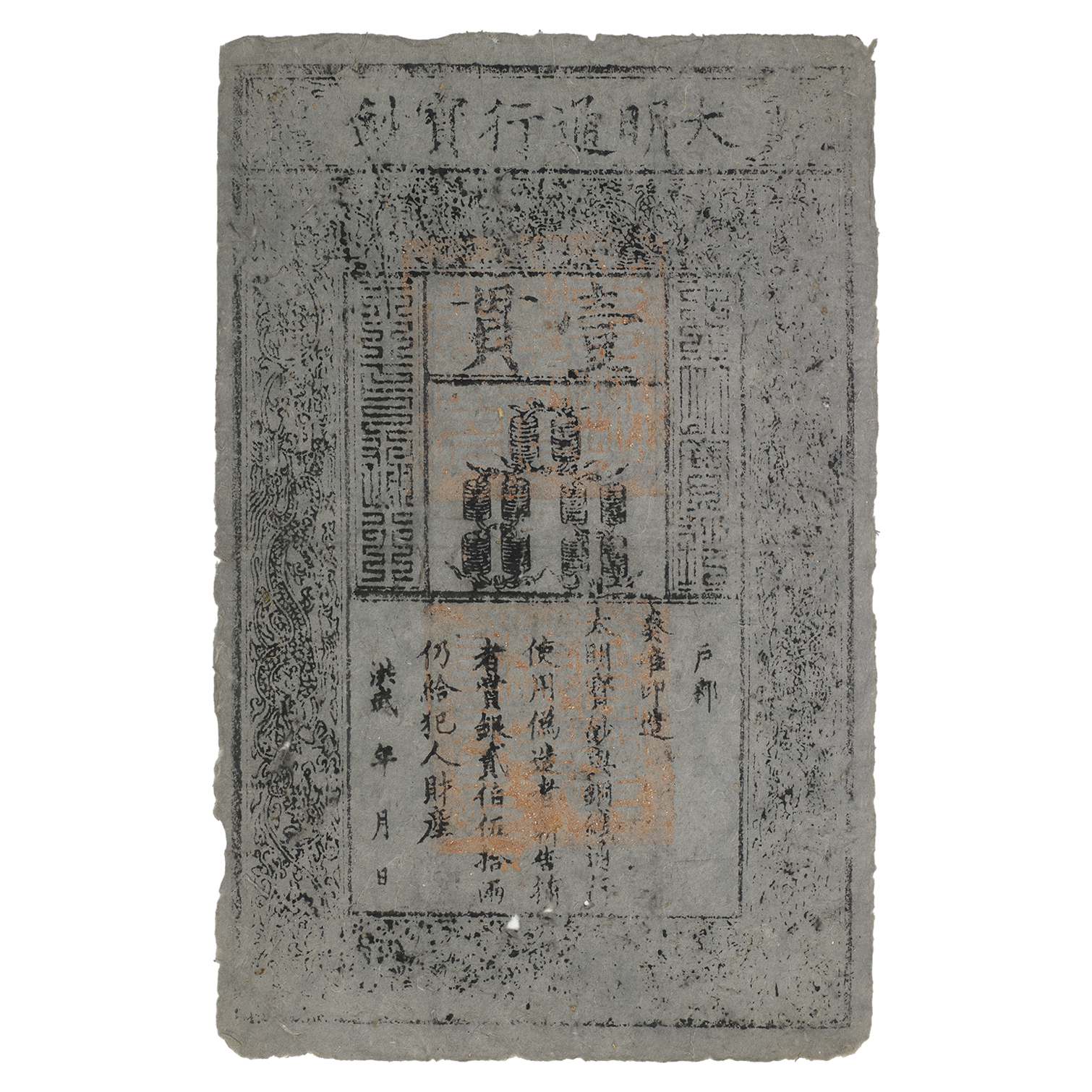
The history of paper money is also a history of change and trust. In China and Sweden, paper notes emerged as practical responses to the challenges of trade, transport and economic change. However, while they made everyday transactions easier, they also exposed the delicate relationship between money and trust. When too much currency entered circulation, prices rose, savings lost value and confidence faded. Communities responded by returning to materials they believed offered greater security. These stories show that money is never simply a tool for exchange. It is shaped by people's beliefs, experiences and shared sense of value, especially in times of uncertainty.
You can read these stories and more in the exhibition.
What’s next for money?
As coins and banknotes are becoming less familiar in our everyday lives, this prompts questions of what might be gained, and what might be lost. Money in a time of crisis highlights moments of crisis throughout history that have reshaped the way people exchange, spend and save. Today, digital payments, cryptocurrencies and new technologies are once again changing our relationship with money. At a time when the cost of living continues to affect communities across the world, questions of trust, security and access are a sharp focus of the discussion. The future of money is still being written, but the histories shared in this exhibition remind us that while currencies change form, the hopes, anxieties and choices attached to them remain deeply human.
About the exhibition
This online exhibition was created by Dr Stefano Locatelli during his ESRC Postdoctoral Fellowship at the University of Manchester, in collaboration with Bryan Sitch, Honorary Curator of Numismatics at Manchester Museum. It draws directly from Stefano’s research on money as a product of human activity and a medium with its own distinctive political, social and cultural dimensions throughout history.

About Stefano Locatelli
Stefano Locatelli is a historian of late medieval Europe and the Mediterranean, focusing on the monetary history of the Italian peninsula between 1200 and 1500. Stefano trained as an archivist at the State Archives of Milan and earned a PhD in Economic and Social History from the University of Manchester in 2019. He has held research fellowships from institutions including the Italian Institute for Historical Studies, the UK Economic and Social Research Council (ESRC), the Italian Academy at Columbia University, the British School at Rome (declined) and the Leverhulme Trust (Early Career Fellowship at Queen Mary University of London). From 2022 to 2024, he was Assistant Professor of Economic History at the University of Parma under the 'Next Generation EU' scheme. He is currently a Marie Skłodowska-Curie Postdoctoral Fellow at the University of Milan, in collaboration with Fordham University.
Stefano co-edits The Italian Coins in the British Museum series and has collaborated on projects with Princeton University, the British Museum, the Ashmolean Museum, and the University of Milan. His first monograph, The Florentine Florin. The Politics and Culture of Money in the Middle Ages (2025), explores the gold florin’s political, social, and cultural dimensions, emphasising the role of human agents and political institutions in its history.
Photography by Michael Pollard. Additional Images provided by Science Photo Library.