
Earth Sciences
COLLECTION
CURATOR: DR. NIDIA ÁLVAREZ ARMADA
Manchester Museum has an outstanding collection of approximately 250,000 specimens from all over the world, with over 2900 Type and Figured specimens, extremely important for research and the public in general.
Enthusiastic members of the Manchester Geological Society started the collection in 1838. The original Manchester Museum on Peter Street, included some spectacular geology, such as a large Ichthyosaur (on display in the museum today), a hexagonal basalt pillar from the Giant’s Causeway and models of famous diamonds.
Fossils, rocks, minerals and meteorites are essential to help us understand space, our planet and the diversity of life on Earth.
INTRODUCTION TO THE EARTH SCIENCES COLLECTION, WITH DR NIDIA ALVAREZ ARMADA, CURATOR OF EARTH SCIENCES.
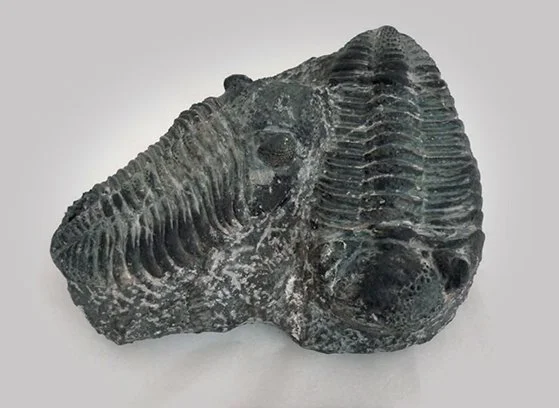
Manchester Museum has a collection of around 200,000 fossils ranging from fossil algae from the dawn of life hundreds of millions of years ago, to ferns, dinosaurs and Ice Age animals.
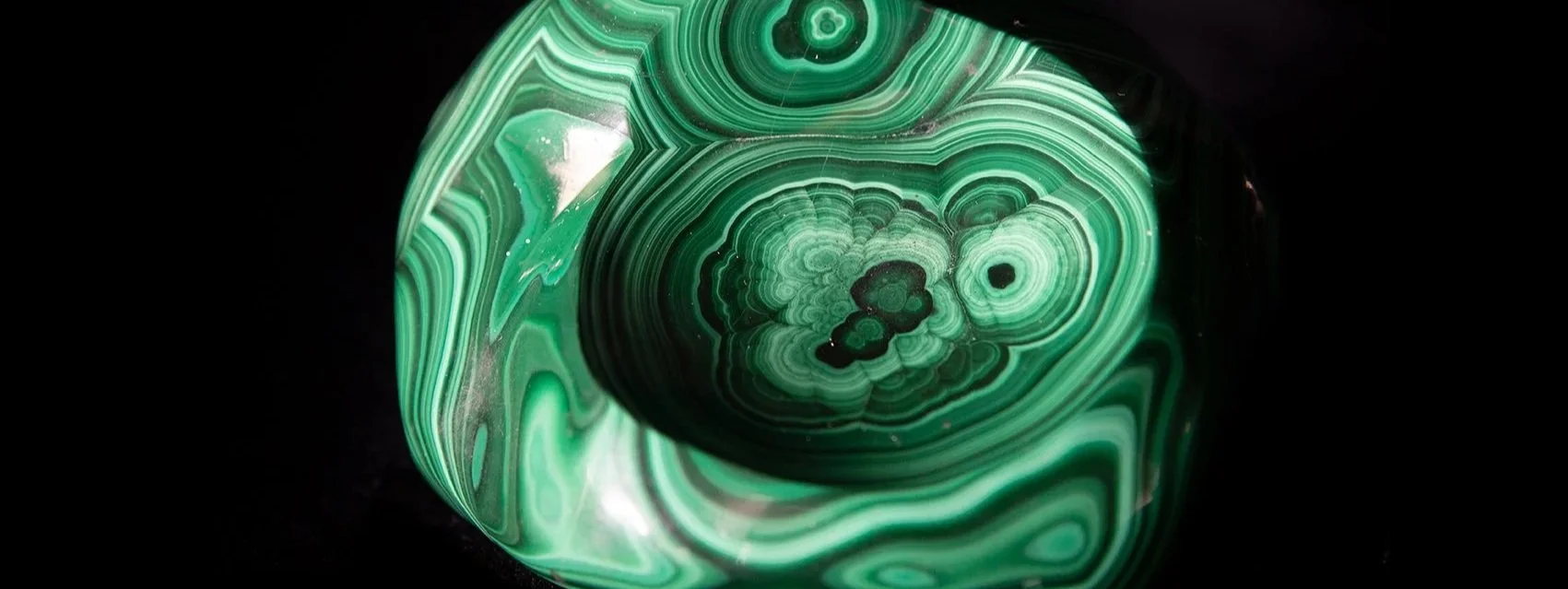
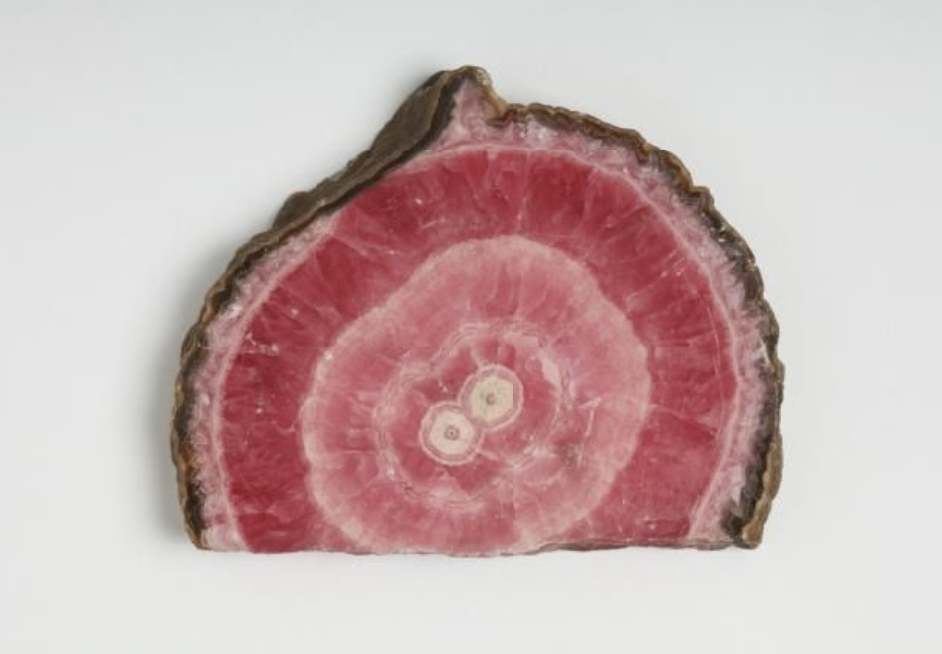
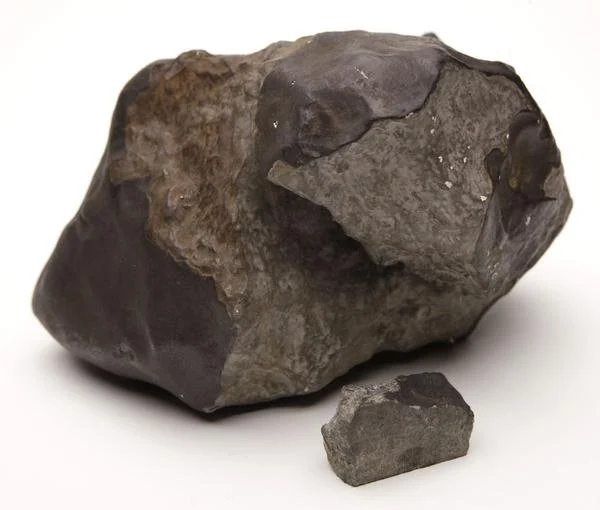
The mineral and petrology collections contain around 50,000 stunning specimens, which include meteorites, gemstones, ore samples, building stones, volcanic rocks and critical minerals.
The Museum has one of the most important collections of Ice Age animals in Europe, particularly from Creswell Crags. It has helped transform our understanding of climate change. The fossils from Creswell Crags give a rare glimpse into what was happening at the extreme northerly edge of life in the last Ice Age (115,000 BC to 11,000 BC) and a window into the world of the first people to live in Britain.
Earth Sciences Collection highlights
Rasenia involute
Beautifully preserved with its original mother-of-pearl shell, this specimen from the Upper Jurassic Kimmeridge Clay in Lincolnshire offers a rare glimpse into marine life around 150 million years ago.
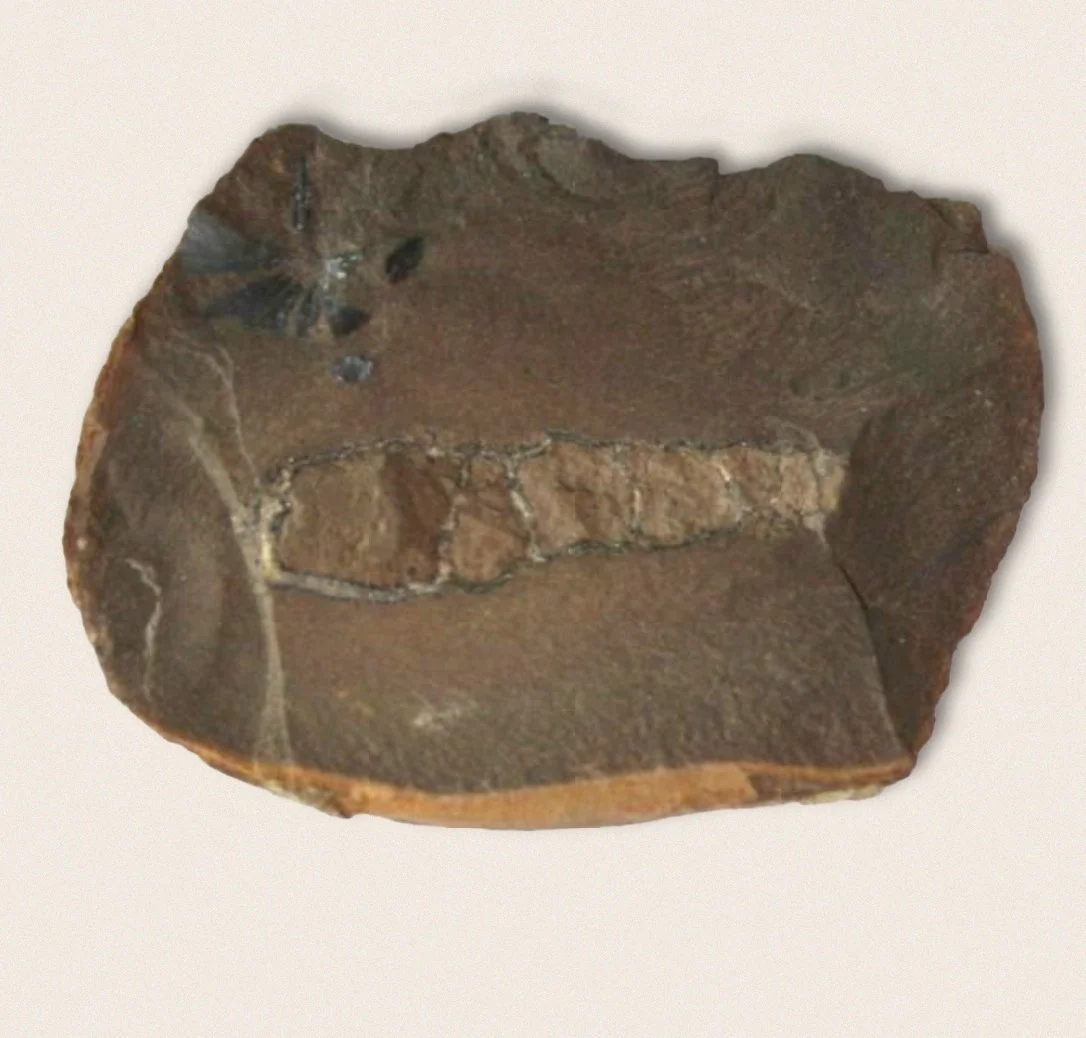
Coprolite
Showing both ancient life and museum history, this Jurassic specimen was first repaired by early conservators and rejoined in 2009 using cellulose nitrate adhesive to stabilise its delicate structure
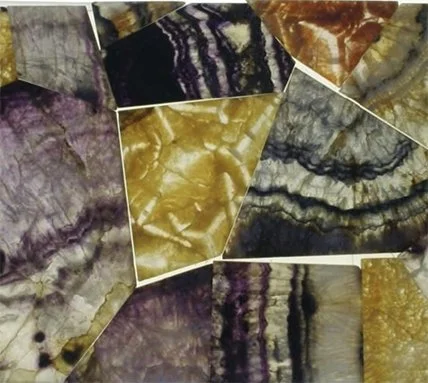
Blue John
A banded variety of fluorite from Castleton, Derbyshire, Blue John formed when hot fluids crystallised in limestone. Its name comes from a local twist on the French ‘bleu et jaune’.

Dr. Nidia Álvarez Armada Curator of Earth Science Collections
nidia.alvarezarmada@manchester.ac.uk
Dr. Nidia Álvarez Armada is a trained geologist and palaeobiologist with strong ethical and moral sense of responsibility, who will be leading efforts for the decolonisation of the Earth Sciences collections at Manchester Museum.
Her research specialises in the preservation of colour in the fossil record, usually working at the interface of palaeontology and material sciences where she pushes the frontiers of palaeontological studies meeting with Science Fiction.