
What turns curiosity into conservation action?
If you’ve paid a weekend visit to the Vivarium recently, you may have bumped into one of our fantastic curatorial team members, Finn, who has been busy on the gallery conducting her final year science communication project at the University of Manchester. Speaking to over 400 visitors across three sessions, she has been investigating whether the way an educational session is designed makes visitors more likely to take conservation action afterwards, with a focus on ‘non-charismatic taxa’ like our lemur leaf frogs (a real term that describes the bias against animals which people typically find less familiar or visually appealing - no offence, little guys!)
Read on for a never-before-seen insight into Finn’s findings, and what this means for zoological organisations like the Vivarium…
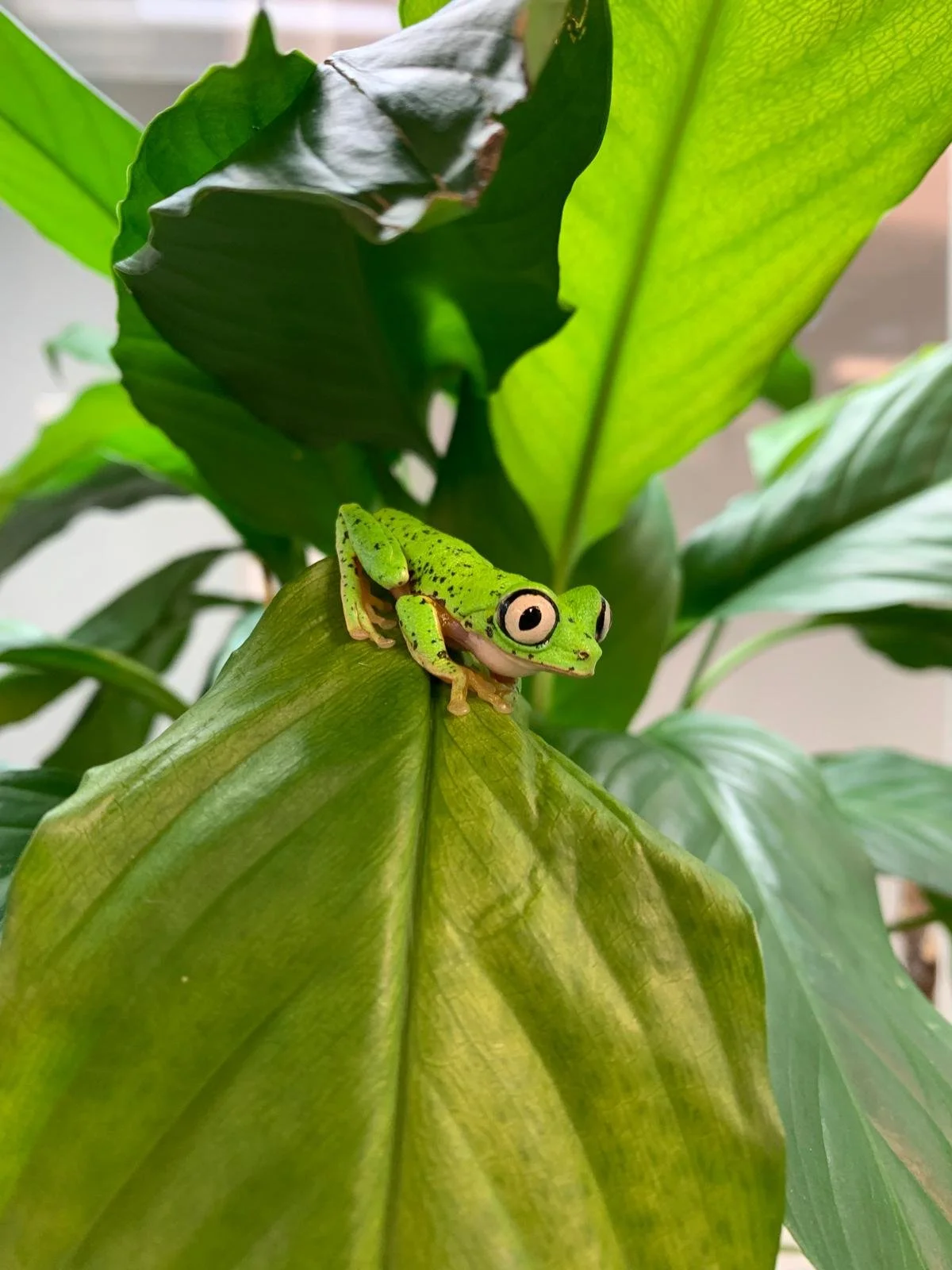
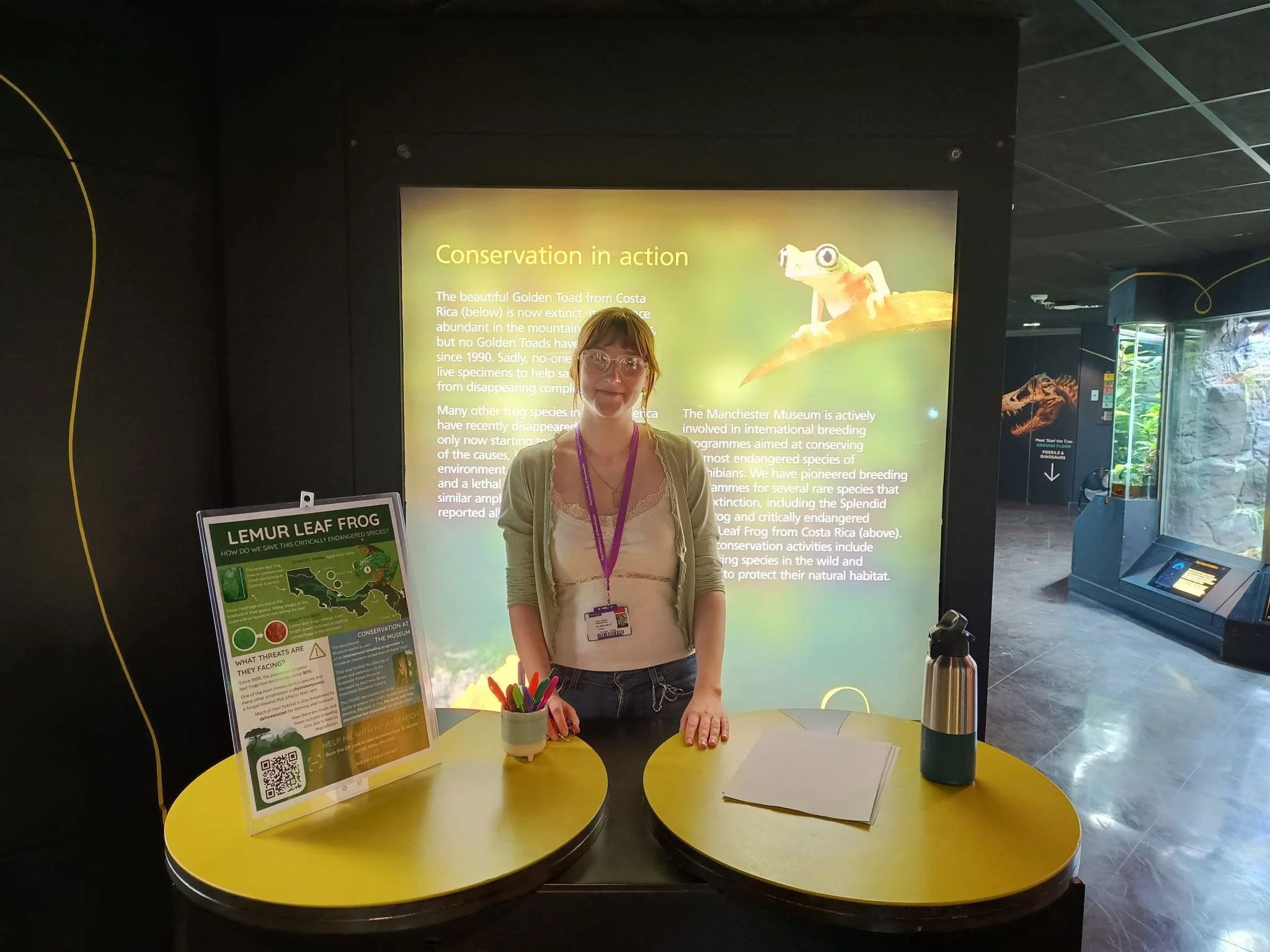
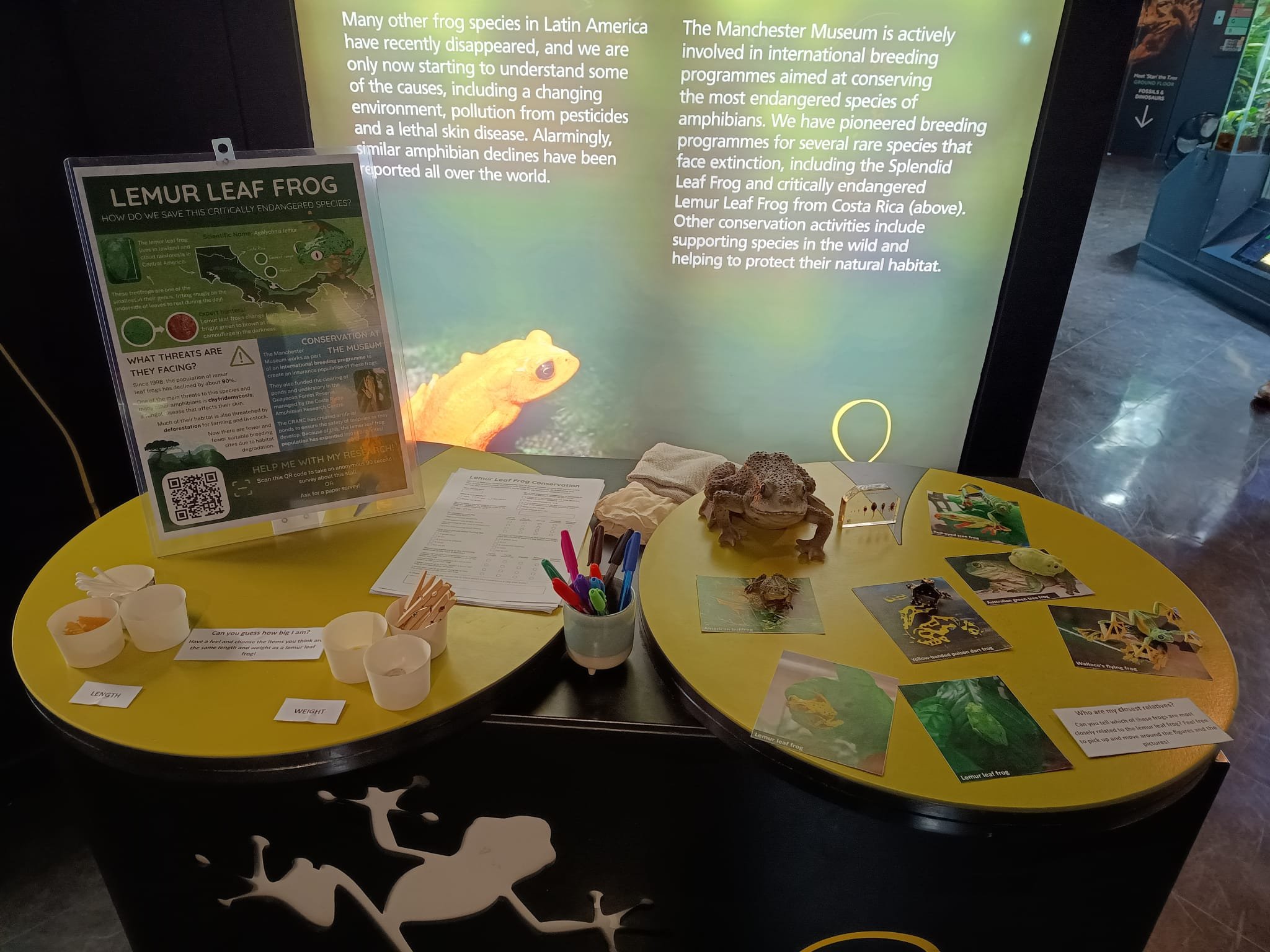
The role zoological organisations have played in entertainment and education has evolved over time, with many modern zoos now aiming to foster active conservation caring in visitors. However, generating support for non-charismatic taxa, such as amphibians, remains challenging due to taxonomic biases. While passive signage in zoos provides valuable opportunities for free-choice learning, previous studies have shown that interactions featuring live animal ambassadors or conversations with staff generate much higher visitor engagement and empathy. Therefore, this study aimed to test the efficacy of different forms of staff-guest interaction in increasing visitor engagement with conservation education and encouraging conservation action for the critically endangered lemur leaf frog. To do this, three staff-led session types were developed – a standalone poster session, a props session utilising tactile displays, and a final live session with an animal ambassador.
The results of this study demonstrated that, while live animal ambassadors are the most effective at generating high footfall, the specific supporting resource used does not affect a visitor’s intent to engage with conservation behaviours after the interaction. Instead, moving guests from being educated and empathetic to being willing to take conservation action relies largely on visitor enjoyment of the interaction and the individual’s pre-existing connections to wildlife. These findings suggest that zoos should employ different resources depending on the goal of the session – live ambassadors should be utilised to attract larger audiences and help overcome taxonomic bias, whereas tactile displays can be used to educate guests without the logistical and welfare constraints of using live animals, without sacrificing engagement with conservation behaviours. Further research is needed to identify how these forms of guest interaction can bridge the gap between intent and action, and which are the most demographically appropriate avenues that encourage visitors to contribute to conservation. This study represents a critical step in determining how best to approach increasing public engagement with, and caring for, the conservation of non-charismatic taxa.
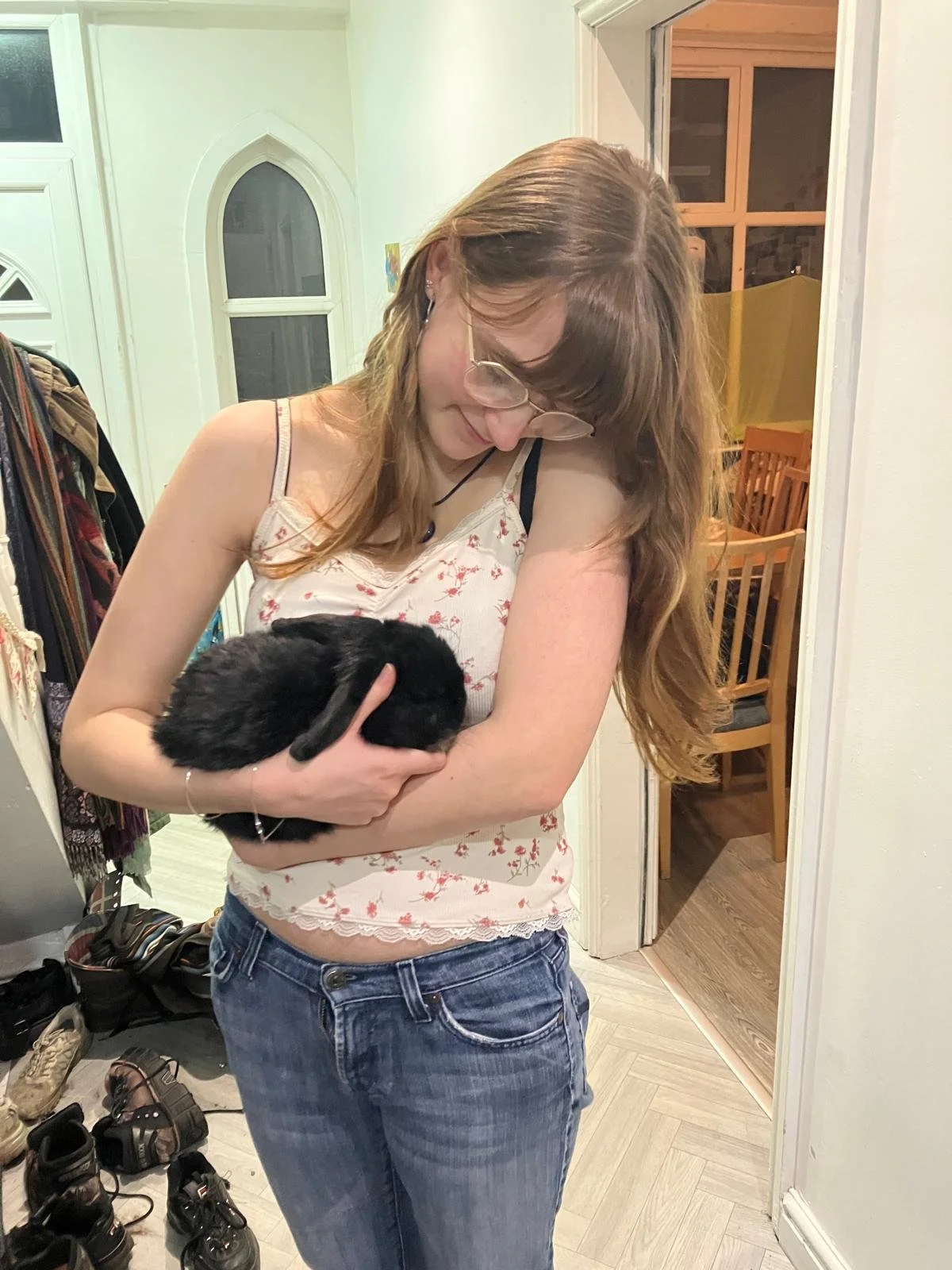
Written by Finley Baverstock
Hi! My name is Finn, I’m a final year Zoology student at the University of Manchester, and I’m also a casual curatorial assistant at the vivarium. I’ve always loved animals – I worked at a small zoo before coming to uni, teaching children basic husbandry and veterinary skills. As I’m graduating soon, I’m looking for jobs as a keeper to share my passion for wildlife and inspire zoo guests to get involved with conservation. I feel it would be traitorous of me to not choose the Lemur leaf frog as my favourite animal at the museum (given my final year project), but the Imbabura tree frogs do hold a special place in my heart.