
Lindow Man: A Bog Body Mystery
19 April 2008 – 19 April 2009

The story of a man found in a peat bog over 2,000 years ago, wearing only a fox fur arm band, is told in Lindow Man: A Bog Body Mystery, an intriguing new exhibition opening at The Manchester Museum on 19 April 2008.
Lindow Man, one of the British Museum’s most popular exhibits, is on loan for a year, along with important Iron Age artefacts such as the Wandsworth Shield boss, through the British Museum’s Partnership UK scheme.
From the time Lindow Man was discovered on Lindow Moss in 1984, scientists, archaeologists, historians and curators have been trying to unpick the mystery surrounding his story. This exhibition looks at the different angles to that story through the voices of seven people. Exploring a variety of perspectives, the stories include those of a peat digger, forensic archaeologist, museum curator and druid priest, amongst others.
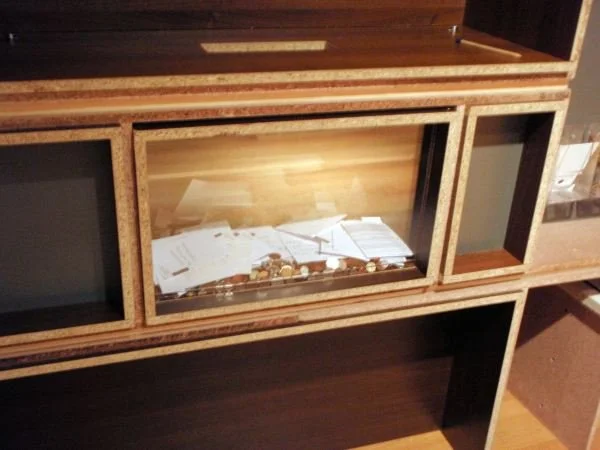
Many questions still remain unanswered in Lindow Man’s story and much has changed since he was found. How, why and when he died still continues to be a matter for debate. Lindow Man: A bog body mystery doesn’t seek to answer all the questions, but presents a series of viewpoints and experiences, looking at what he means to us today.
“There are few moments in life when you can look into the face of someone who is 2000 years old and ask questions about them. This exhibition offers us a unique opportunity to do just that. We have used many objects to illustrate Lindow Man’s story, some of them like the Wandsworth Shield Boss and crow feathers have obvious links, others like the Care Bear are more surprising. Each of them shows us what he means to people today.”
– Bryan Sitch, Curator of Human Cultures
Attitudes to the display of human remains are changing and the Museum’s human remains policy is very clear about treating them with respect and dignity. This exhibition will prepare you for an encounter with Lindow Man, and offer an intriguing personal insight to his story.
This everyman of prehistoric Britain, has been in the care of the British Museum since his discovery, and previously displayed at Manchester Museum in 1987 and 1991.
The exhibition and its associated events and activities attracted 190,000 people and generated favourable reviews in museum and archaeology journals. It also won a Design Week Award for ‘Best Temporary Exhibition’ and ‘Best Archaeological Innovation, award at the 2010 British Archaeological Awards.