
Animal Kingdom: Stereoscopic Images of Natural History
17 August – 31 October 2016
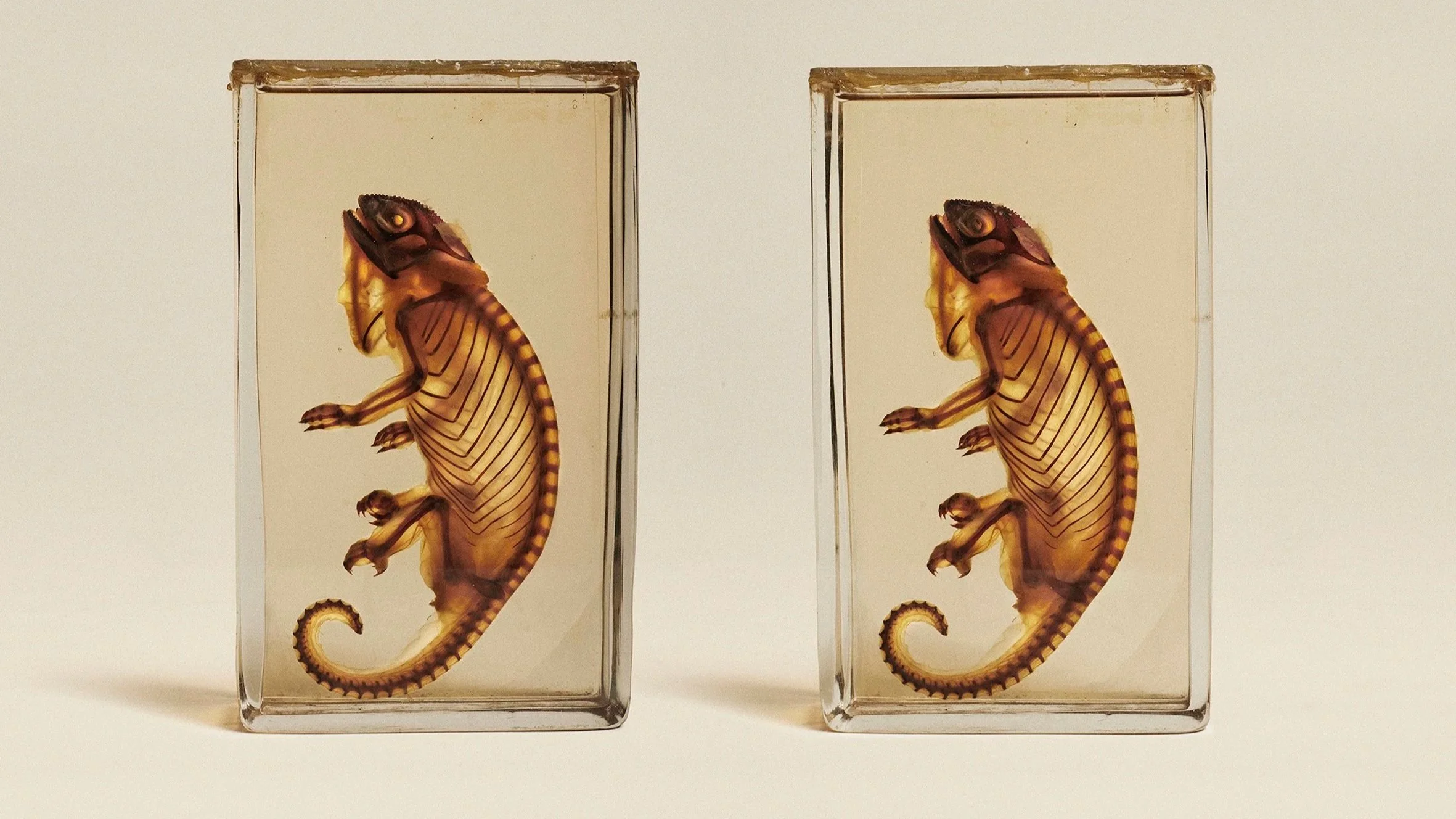
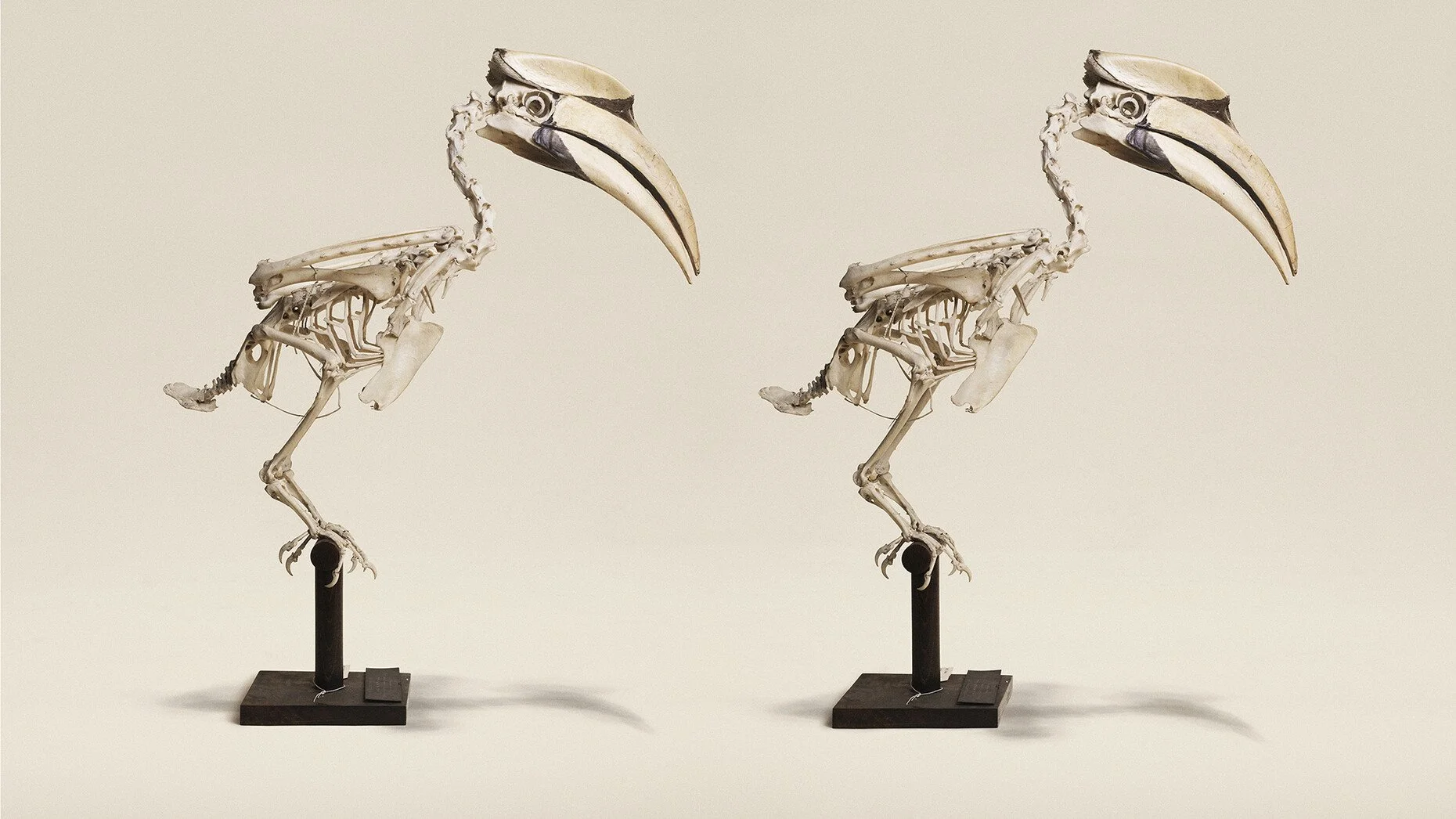
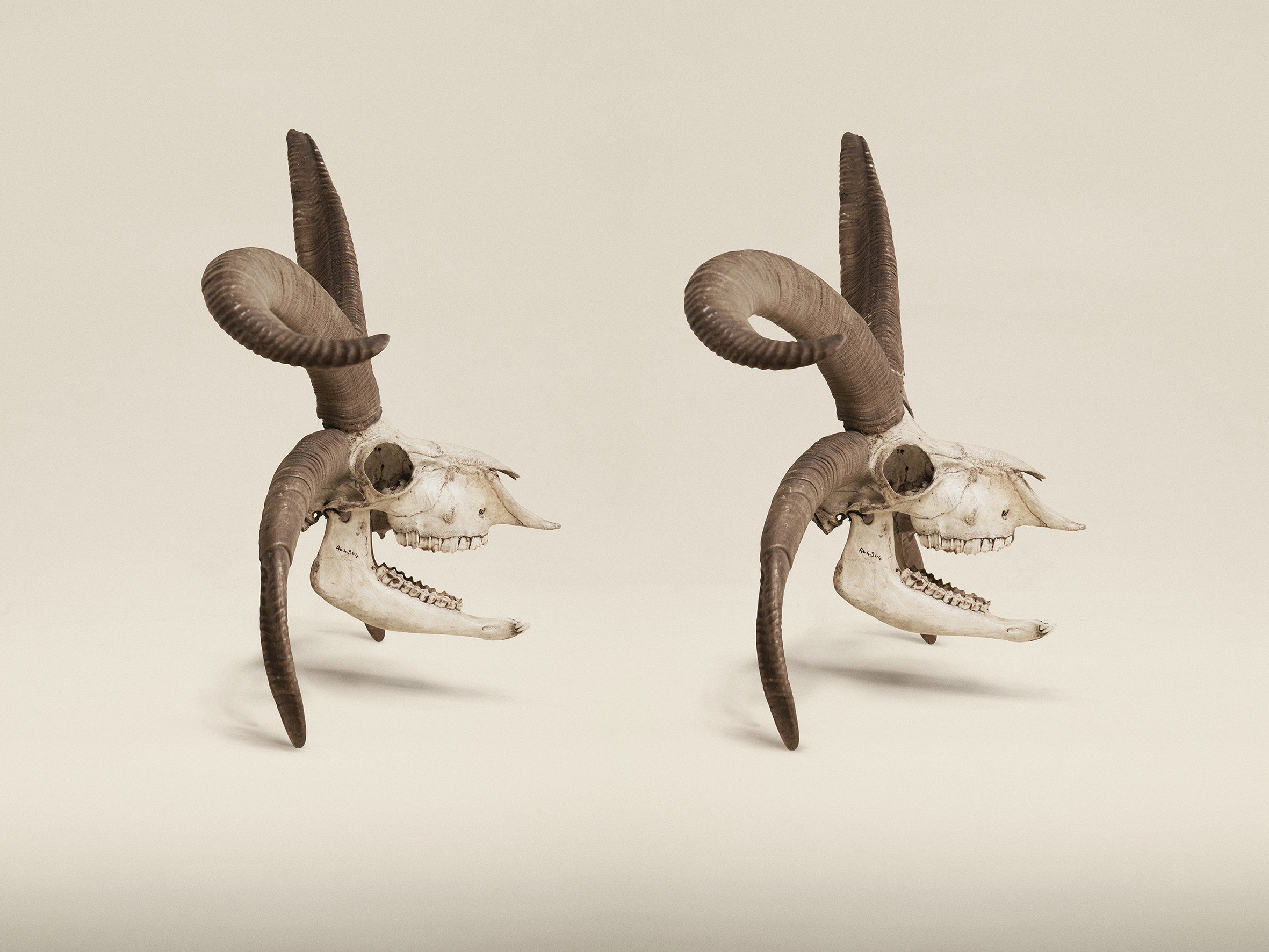
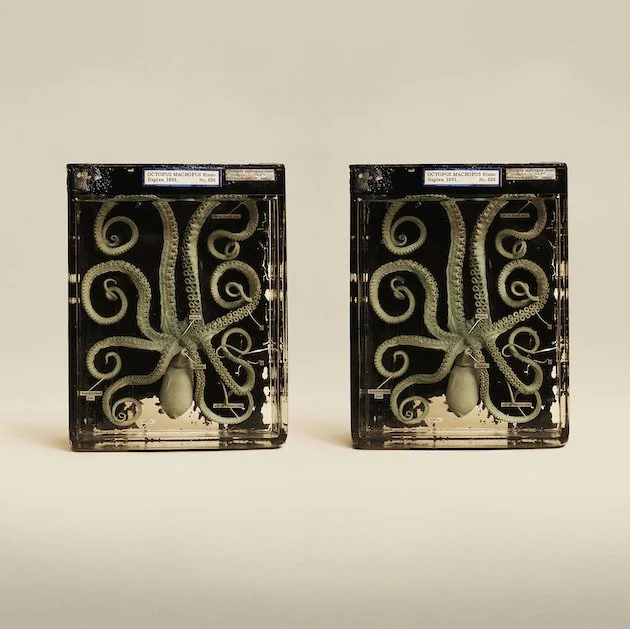
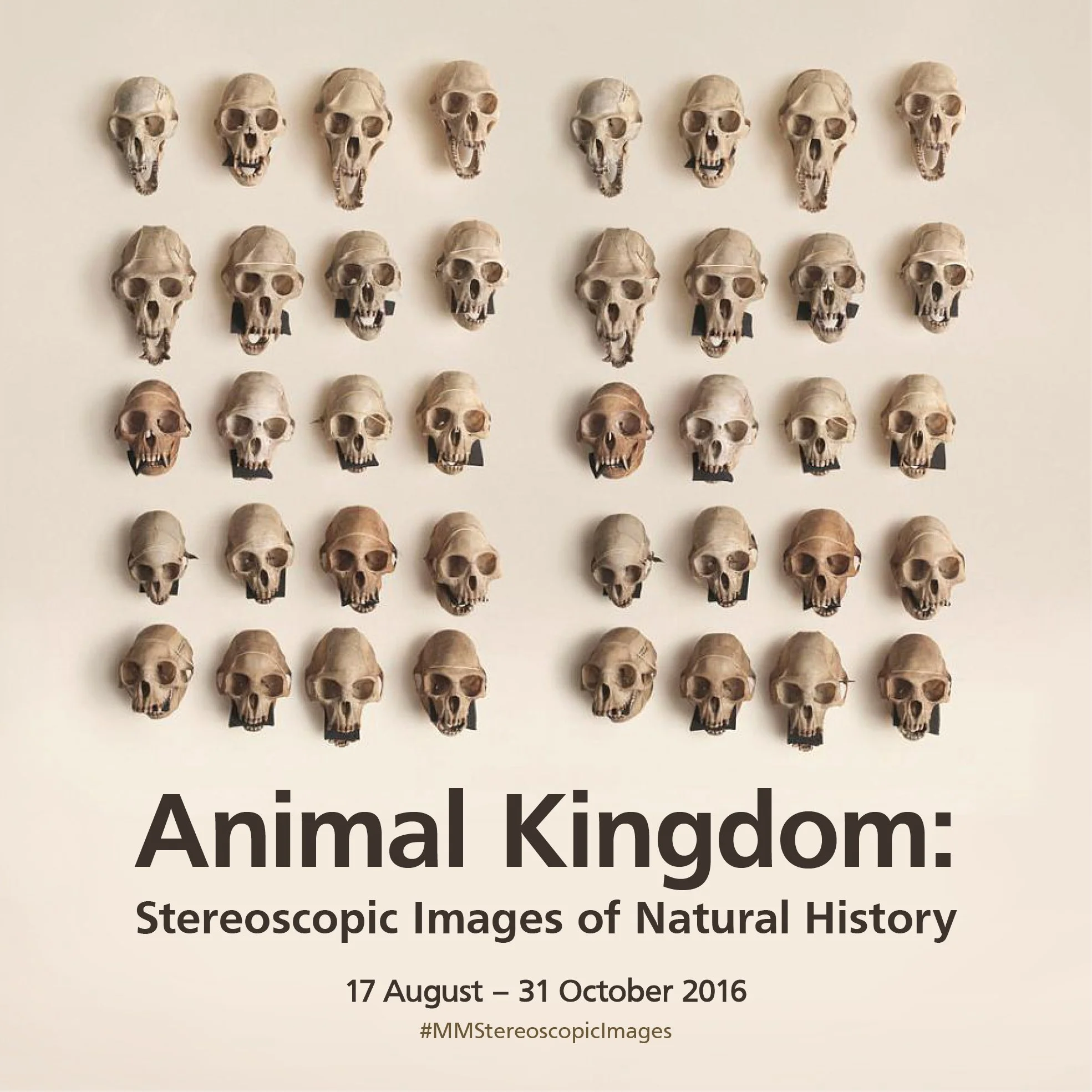
The exhibition, curated by Rachel Petts, displays ‘stereoscopic’ photographs of natural history specimens by the artist Jim Naughten alongside objects from Manchester’s own collection, including primate skulls and bird taxidermy. What appear as two near-identical images placed side by side are works of art in their own right, but the real beauty is when they are viewed through the stereoscopic lenses – the image is enchantingly transformed, transporting the viewer into a new dimension …
As the eyes relax, the two figures come together to produce a third image, but rather than being in two dimensions, this one is magically elevated out of the flat surface, as a three-dimensionally embodied specimen.
Ok, in reality, there is a considerable amount of science behind the magic that brings these objects to life. Stereoscopy was a technique developed in the 1800s; the stereographs are created by taking two photographs of the same object from slightly different angles, this recreates the way that each eye sees an object from a slightly different angle in natural vision. Therefore, when the images are presented simultaneously, one to each eye using a stereoscope, the images converge giving the central, combined image the illusion of 3D depth, in the same way that the brain understands depth perception with solid objects.
All images: ©Jim Naughten