HUMAN NATURES
Making Changes
University of Manchester Research
Manchester Museum is committed to using our collections and resources to help build a more just and sustainable world. We collaborate with a diverse range of groups and organisations leading change in Manchester and beyond.
Researchers across the University of Manchester are working hard to create hopeful solutions for the complex issues of our overuse of materials, including plastic.
Zhonghua Zheng
Atmospheric Micro/Nanoplastics
Every day, without realising it, we are breathing in air that contains tiny fragments of plastic. These micro- and nanoplastics are so small that they are invisible to the naked eye, yet they can travel across cities, oceans, and even continents.
Plastic from worn tyres, synthetic clothing, or degraded waste can break down into microscopic particles and be lifted into the atmosphere. Carried by winds, these particles can travel thousands of kilometres, reaching remote mountains, oceans, and even polar regions.
This research focuses on how these airborne plastics are released, transported and removed from the atmosphere. The work brings together existing knowledge on the global movement of micro- and nanoplastics and highlights major gaps in current understanding, particularly around where these particles come from and how much enters the air.
To address these challenges, the research is developing new approaches that combine atmospheric modelling with Artificial Intelligence (AI) to better track the movement of airborne plastics and improve estimates of emissions. This work will help support future strategies to monitor and reduce plastic pollution on a global scale.
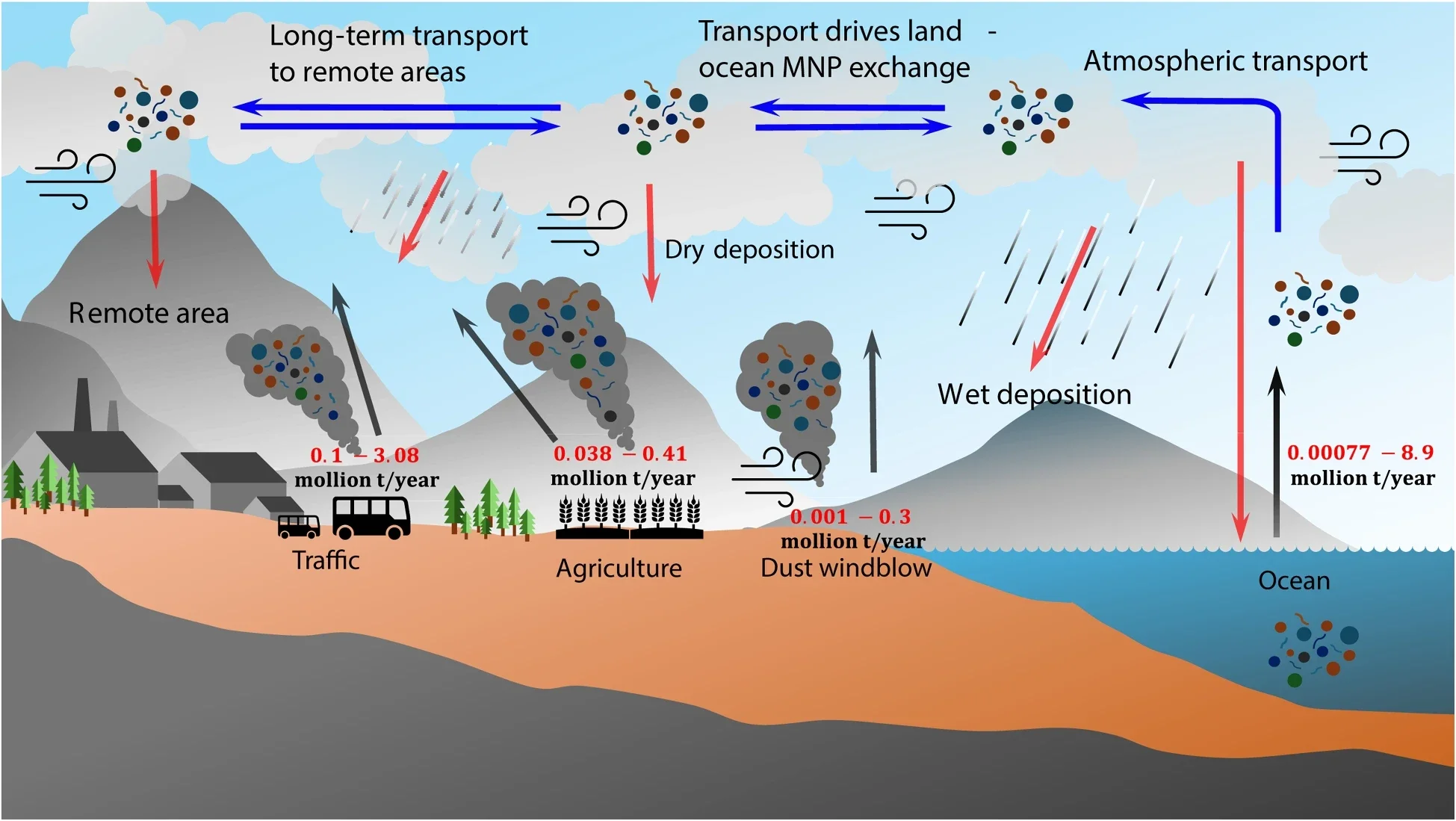
Schematic of Atmospheric Micro/Nanoplastics lifecycle. From A Review of Atmospheric Micro/Nanoplastics: Insights into Source and Fate for Modelling Studies
Lu Shin Wong
Biotechnology to improve plastic recycling
Thermoset resins are a group of plastics that are used in construction, transport and aerospace because they are strong, lightweight and highly durable. They are found in products such as vehicle panels, wind turbine blades and household fittings. However, this robustness also makes them extremely difficult to break-down and recycle, meaning most end up in landfill.
This team are researching the use of enzymes, nature’s biological catalysts, to break chemical bonds in these polymers, enabling their break-down into smaller molecules that can be more easily recycled. The aim is to use enzymes sourced from natural organisms that decompose wood, and adapt them for thermoset resin recycling.
This work is part of a UK-wide network of universities and companies that aims to tackle plastic pollution with ‘engineering biology’, applying engineering principles to harness Nature’s processes for more sustainable plastic recycling.

Copyright Getty Images
Torik Holmes
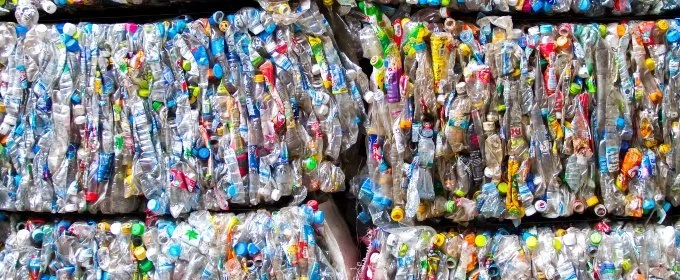
The political economies of plastic packaging recycling
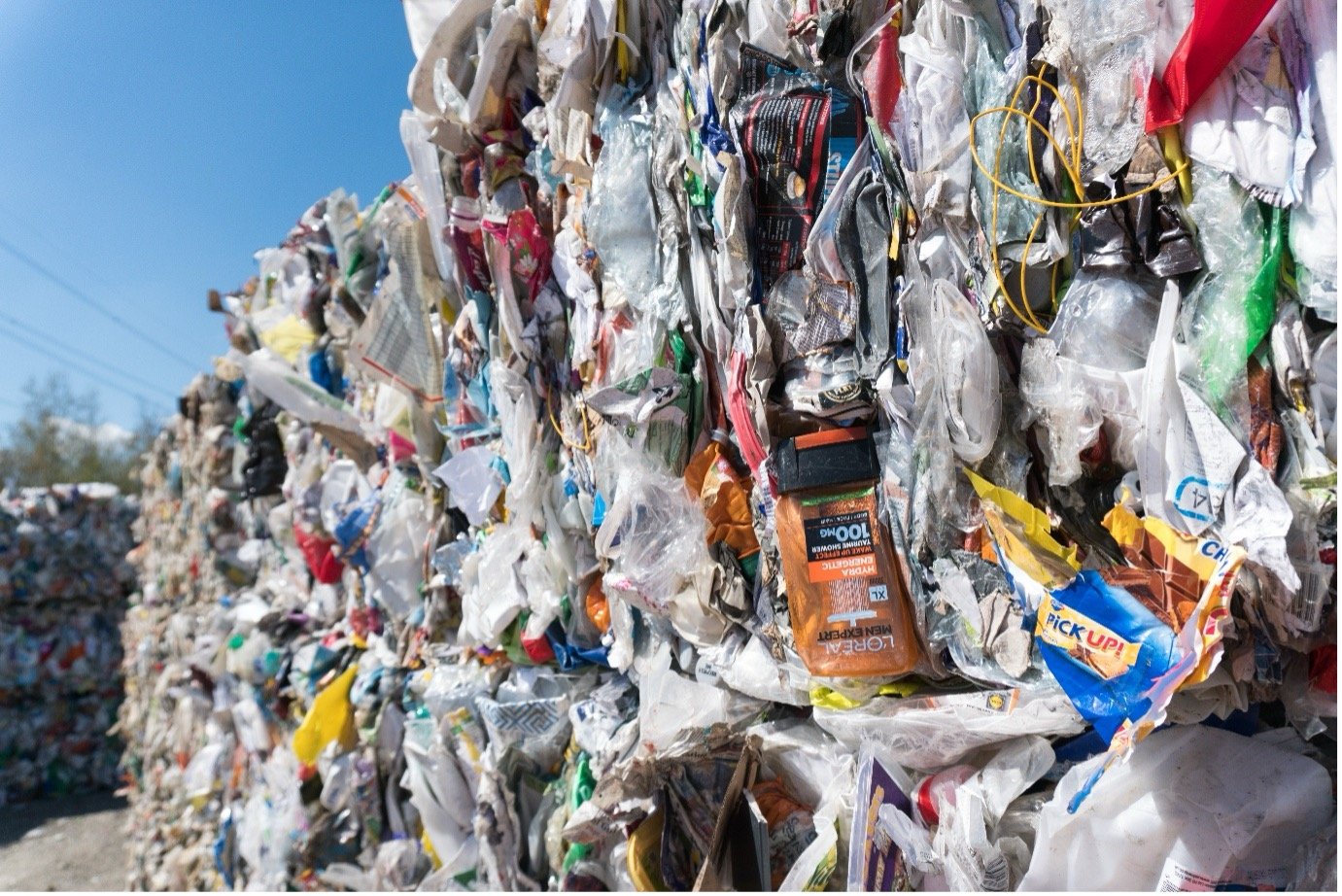
This research takes a social scientific approach, studying how organisations across the UK can help reduce plastic packaging waste by helping to upscale recycling. The work focuses particularly on flexible plastic packaging, including crisp packets, bread bags and detergent pouches, which are difficult to recycle and are rarely processed successfully.
A key part of the research is the Everyday Flexible Plastic Packaging Recycling Assembly, an independent forum that brings together businesses, researchers, local authorities and environmental organisations to share knowledge and develop practical solutions.
Each year, around 215 billion pieces of flexible plastic packaging are placed on the UK market, yet only an estimated 7% of these are recycled. Recognising the need for urgent change, this research examines the social, economic and political barriers that limit progress and how collaboration across sectors can help accelerate more sustainable systems for plastic recycling.
For more information and insight, see briefing paper and Policy@Manchester.
Alejandro Gallego Schmid
Environmental impacts of takeaway food containers
As takeaway food consumption increases around the world, so does the amount of waste created by single-use food containers. Many of these materials are difficult to recycle and can have significant environmental impacts.
This study compares the full environmental impact of four common takeaway containers: single use aluminium, single use plastic (polypropylene), single-use polystyrene foam, and reusable plastic containers. It looks at their impacts from production to disposal, including climate change and pollution.
The findings show that single-use polypropylene containers create the highest environmental impacts overall, while aluminium containers also have significant environmental costs. Polystyrene foam performs better during production because it uses less material and energy, but it is rarely recycled and often becomes litter, harming wildlife and oceans, so they cannot be considered truly sustainable. Reusable plastic containers can be better for the environment, but only if they are reused many times, often dozens of uses.
This research also shows that improving recycling, as planned under EU waste policies, could cut environmental impacts by up to 60% and save emissions, the equivalent of taking tens of thousands of cars off the road.
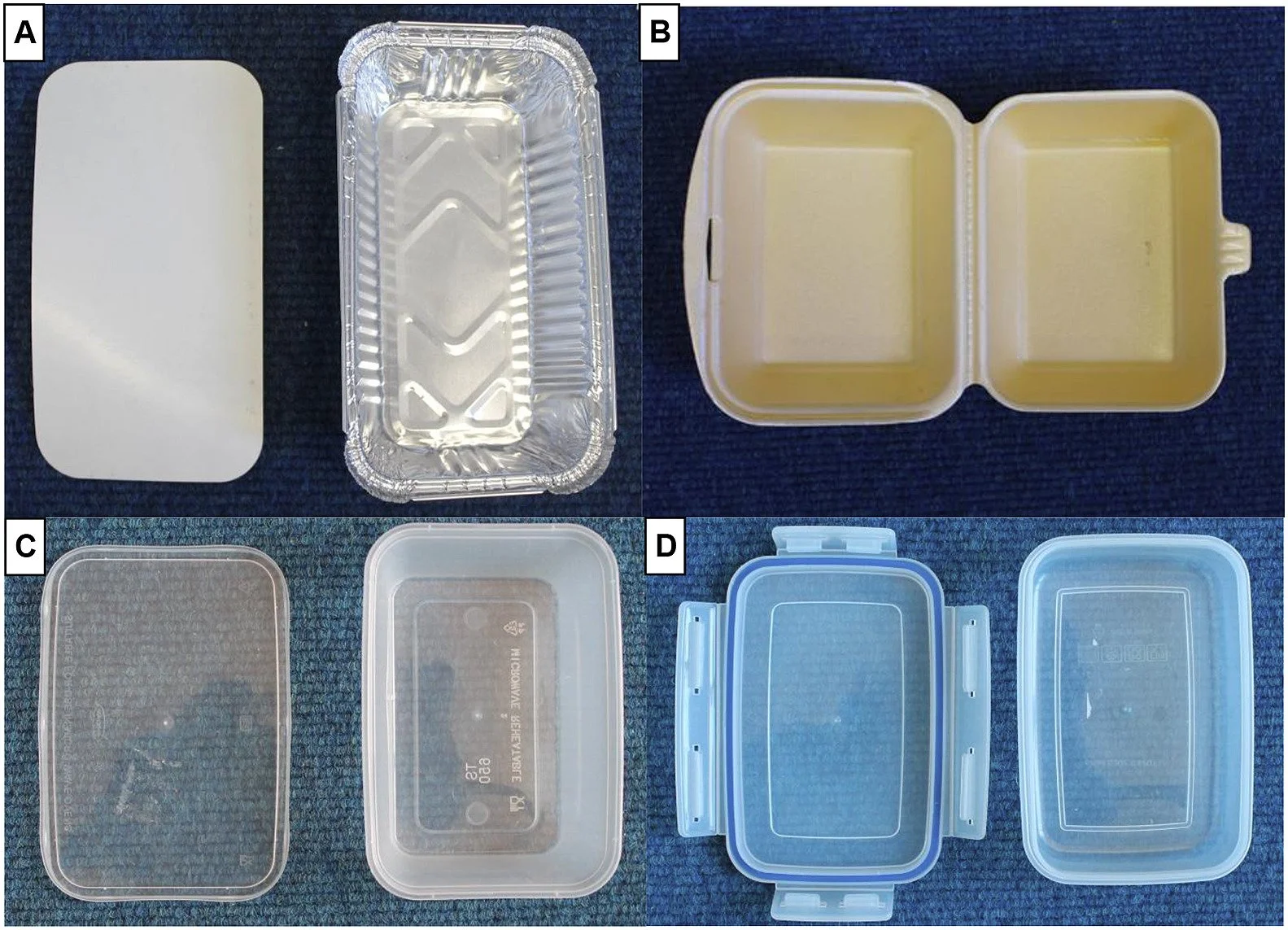
Types of food containers. From Environmental impacts of takeaway food containers
Neil Dixon
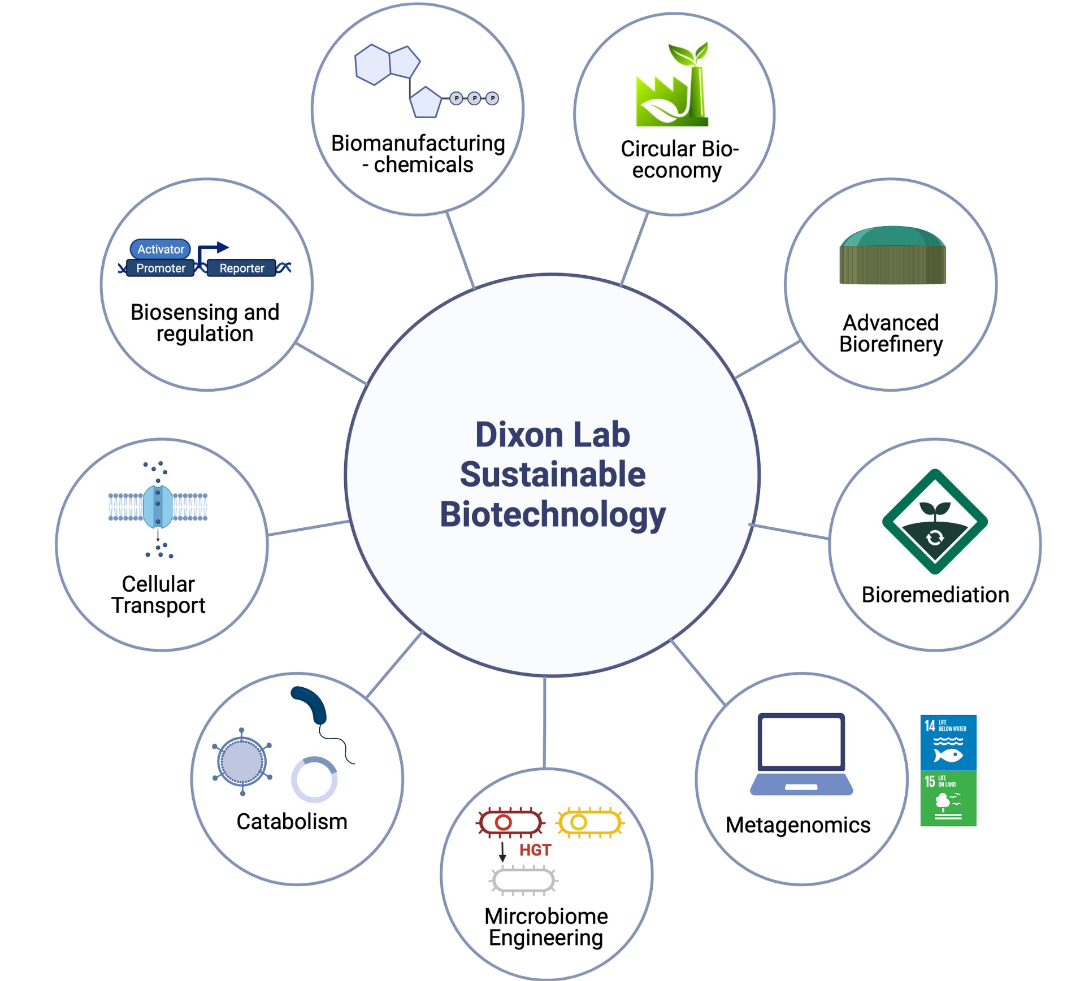
Dixon Lab - Sustainable Biotechnology
The Dixon Lab, based in the Manchester Institute of Biotechnology, focuses on using sustainable biotechnology to tackle global environmental challenges—particularly address the utilisation of carbon-rich waste streams of key relevance for the growing crisis of plastic pollution. Our research aims to develop biological solutions that help shift society toward a circular economy, where materials are continually reused, repurposed, or transformed rather than discarded.
A major focus of the lab is developing genetic toolkits, biosensors, synthetic microbial communities and bioprocesses that enable sustainable chemical and materials production from renewable or waste derived feedstocks. These biological tools can convert waste plastics into useful building blocks, enabling the creation of new materials without relying on fossil resources. This approach helps reduce the carbon footprint of manufacturing while offering new routes to value added products.
Through partnerships with industry, government, and the public, the Dixon Lab aims to demonstrate how biotechnology can power a cleaner, more resilient materials economy—showing that waste plastics are not an end point, but the beginning of new sustainable cycles.
Majid Sedighi
Nature Based Solutions
Tiny Plastics, Big Problem
Microplastics and nanoplastic particles are some of the newest forms of pollution. They are almost everywhere and these tiny plastic particles, often too small to see, are now found in our rivers, lakes, and even drinking water. The World Health Organization has identified microplastic pollution in water as an urgent global challenge. A large amount of microplastic enters the environment through wastewater treatment plants and urban runoff from our cities into waterways. Unfortunately, most existing technologies to remove these particles are costly, energy-intensive, and difficult to add to current treatment systems.
A Nature-based Solution
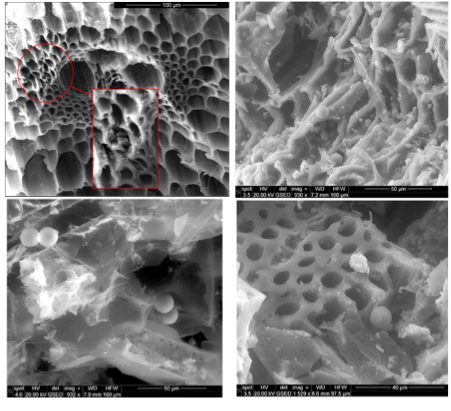
Researchers in Geoenvironmental Engineering Research team of the University of Manchester are exploring a more sustainable approach. They have developed an innovative biocarbon porous filter material made from biochar. Biochar is a sustainable product of heating biomass such as plant waste in a low-oxygen environment. Biochar has a highly porous structure, full of tiny holes, and reactive surfaces that can trap, adsorbed and hold microplastic particles. Our research shows that biochar could offer a powerful, low-cost way to improve how we clean our water. By enhancing existing filtration systems, it can help reduce the amount of microplastics released into the environment, thus protecting ecosystems and human health.
Tom Macdonald
Rethinking materials: removing ‘forever chemicals’ from everyday healthcare products
Many products that appear to be made from paper or natural fibres still rely on polymers to function. In healthcare, moulded pulp products such as wash bowls are widely used because they are low-cost and disposable. However, to perform effectively in use, these materials often contain additives that behave like plastics.
Some of these additives belong to a class of compounds known as PFAS (per- and polyfluoroalkyl substances), often referred to as “forever chemicals” because of their extreme persistence in the environment. PFAS are highly effective at repelling water and oils, making them useful in applications where materials must remain strong and resistant during use.
Research led by Dr Tom McDonald at the University of Manchester, within the Henry Royce Institute, has shown that it is possible to replace these persistent chemicals while maintaining the required performance. By understanding how polymer additives interact with the fibre structure, the team identified alternative materials that deliver the necessary resistance to water and detergents without relying on PFAS.
This work has directly supported the development of a new generation of healthcare products that eliminate “forever chemicals”. It highlights how rethinking the role of polymers in materials can reduce environmental impact, even in products that do not appear to contain plastics.
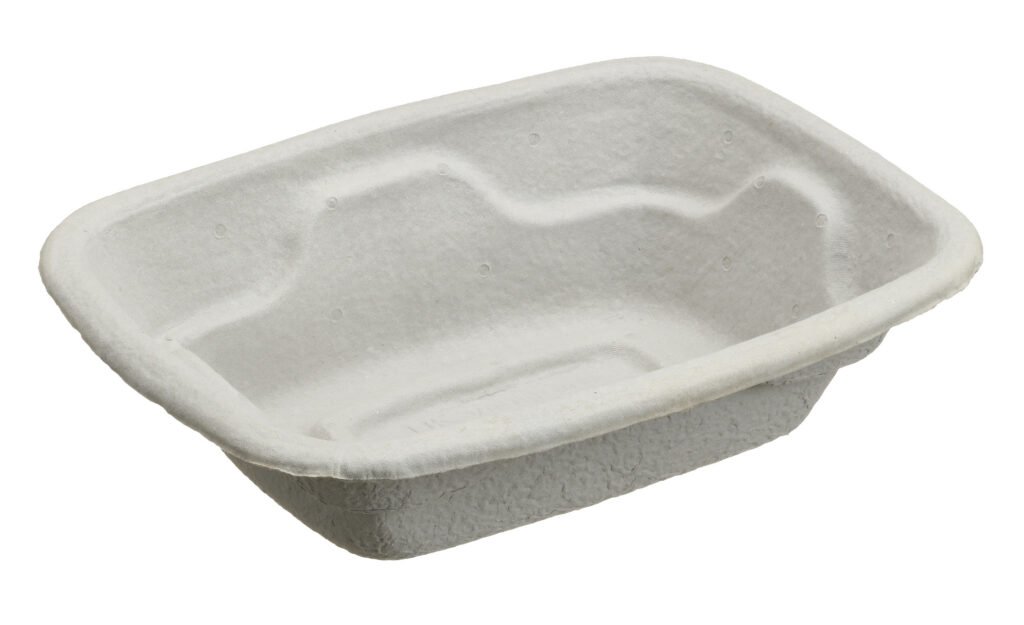
Conti® Aquapure™ Washbowl. From vernacare.com.
Tom Macdonald
Making recycled plastics reliable enough for real-world use
Recycling plastics can be seen as a straightforward solution to waste. In reality, recycled plastics can behave very differently from new materials, even when they look the same. Small differences in composition, structure and previous use can lead to large changes in how materials process and perform.
Research led by Dr Tom McDonald at the University of Manchester focuses on understanding and managing this variability, particularly in widely used plastics such as high-density polyethylene (HDPE). By linking detailed material measurements to real-world performance, this work aims to make recycled plastics more predictable and easier to use in manufacturing.
This challenge becomes even more important in applications with stricter performance requirements. In healthcare, many products are designed for single use to ensure safety and hygiene. While this brings clear benefits, it also creates significant material demand. Introducing recycled content into these products is therefore a major opportunity to reduce environmental impact, but only if performance and reliability can be maintained. Working with industry partners, this research is exploring how recycled plastics can be used in applications such as medical devices and waste containers, where consistency is critical. By improving confidence in recycled materials, this work supports a shift towards using recycled content not just in low-value products, but in demanding, high-performance applications.
Cristina Valles
Carbon fibre reinforced plastics
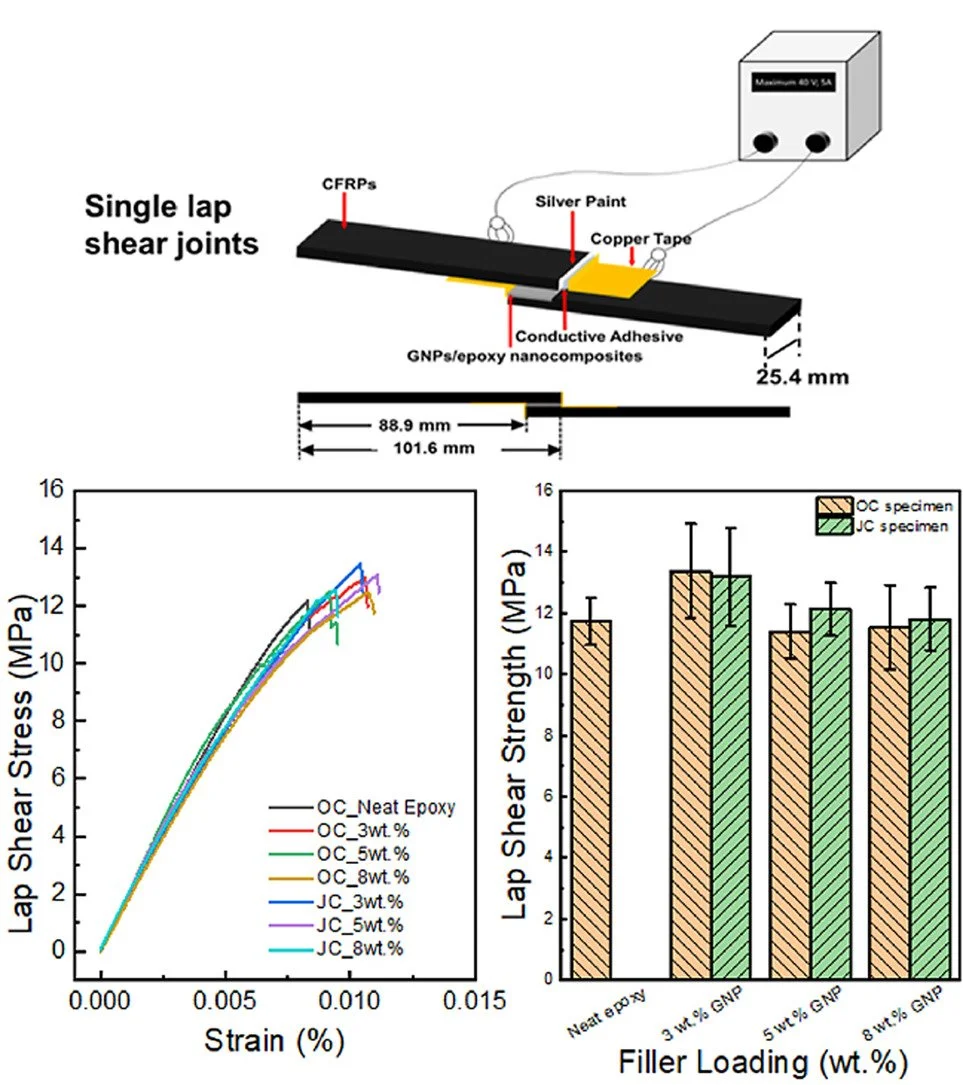
Carbon fibre reinforced plastics (CFRPs) are increasingly used in many industrial sectors due to their high specific strength and stiffness, low density, multifunctionality, ease integration into consolidated components and design versatility. In particular, driven by new targets for lower CO2 emissions and the need for light-weight structures, the global demand for such composites in the aerospace, wind energy and automotive sectors is expected to grow very rapidly in the coming years. This will, unfortunately, lead to the generation of large amounts of waste (enough to fill 30 football stadiums per year), including off-cuts generated during manufacturing and end-of-life components, with ~8000 commercial aircraft also reaching their end of-life by 2030. At the Department of Materials (University of Manchester), Dr Vallés’ research group is developing novel materials that can be used as adhesives to both CFRPs repair or assemble complex structures, such as aircraft wings, using very low amounts of energy, and selectively disassemble those structures when they are no longer functional for the recovery and reuse of some of their parts. By promoting the repair, disassembly and reuse of these industrial parts, these novel adhesives will reduce unnecessary scrappage and will contribute towards implementing circularity in the field of composites.
Maria Sharmina
Plastic Policies
This research project examines how new UK plastics policies are reshaping the plastics supply chain, with a particular focus on small and medium-sized businesses. Building on the award-winning One Bin to Rule Them All project, Adeyemi's and Maria's work investigates the unintended consequences of recent measures, including the Plastic Packaging Tax and the proposed Deposit Return Scheme for drinks containers. Although these policies aim to cut waste and support a circular economy, the research finds they place a disproportionate burden on smaller firms, which make up 90% of businesses in the UK and globally, and are essential to meeting net zero targets. Interviews with organisations across the sector show that smaller firms face inflated costs for recycled plastic, complex and overlapping compliance demands, and price volatility that larger competitors can absorb more easily. The project sets out practical recommendations for government, including a dedicated taskforce for smaller businesses, a single unified reporting platform, clearer industry-specific guidance, and greater investment in UK recycling infrastructure. The goal is a plastics sector that cuts waste without squeezing smaller firms out of the market
Holly Shiels
Plastics and turtles
Plastic was once an unlikely ally for turtles. In the late 19th century, it helped reduce the demand for tortoiseshell products, sparing countless animals. But more than 150 years later, the situation has reversed - plastic is now a growing threat, especially for sea turtles. Sea turtles often mistake floating plastic for food. When they ingest it, their stomachs fill with material that has no nutritional value, which can lead to malnutrition. Larger pieces can block the intestines, preventing real food from passing through, and may even cause internal injuries. Even more concerning is what happens next. Inside the gut, plastic can break down into tiny particles called microplastics. These particles are small enough to cross the intestinal wall, entering the bloodstream, and circulating to other organs in the body. Research by PhD student Leah Costello found microplastics in every organ examined in Mediterranean loggerhead sea turtles - including the liver, kidneys, heart, lungs, and even reproductive organs. Worryingly, the highest concentrations were found in reproductive tissues, raising an important question: can microplastics be passed from parents to their offspring? To investigate this, she studied olive ridley sea turtles nesting in Panama. Here she was able to show that sea turtle eggs collected directly from nesting females already contained microplastics before they even touched the sand. This shows the contamination came from the parents either during egg formation or fertilisation, and not from the surrounding environment. She then went on to show that hatchlings that died before reaching the sea were also found to contain microplastics - the same types found in the eggs. Plastic may once have helped protect turtles by reducing demand for their shells, replacing hair combs and bowls made from tortoise shell with those made of plastic. Today, however, with millions of tonnes of plastic entering the environment each year, it has become a serious and widespread threat. Rather than saving turtles, plastic pollution is now contributing to their declining health and survival.
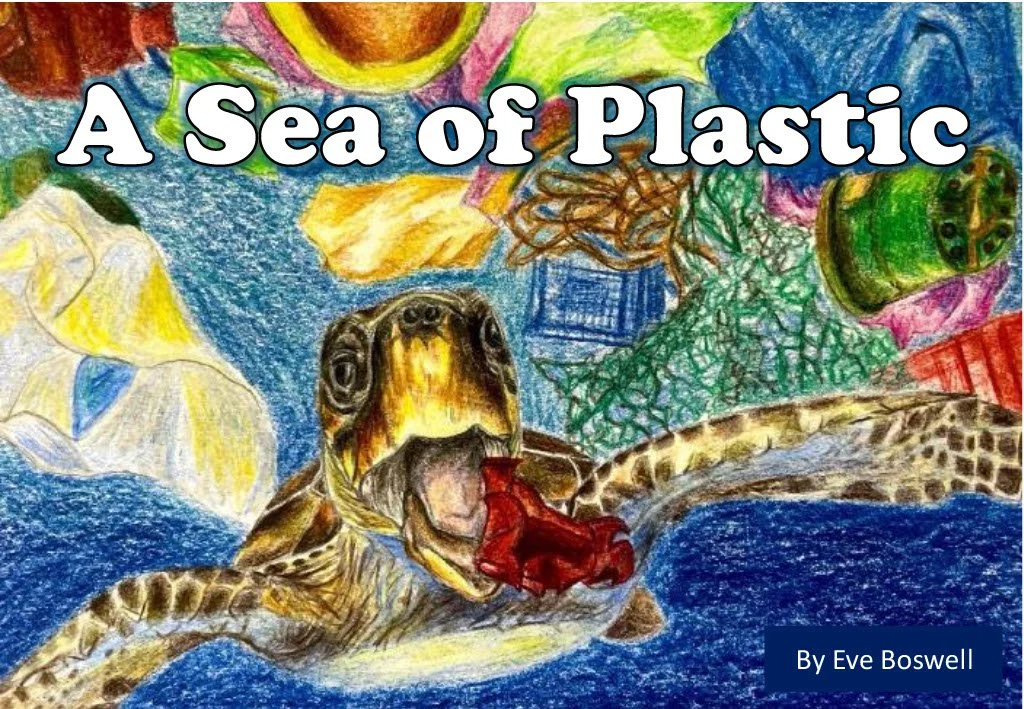
From ‘A Sea of Plastics’ book. Copyright © 2026 by Eve Boswell
Julia Perczel
The world’s highest rubbish dump
Julia Perczel is a social anthropologist working at the confluence of economic and environmental anthropology to understand the solutions to the waste crisis, which are increasingly framed as an issue of market access and creation. Her doctoral thesis looks at the efforts to make e-waste recycling into a responsible and viable industry in India. She is currently working on a Leverhulme Trust funded project on plastic waste in the Indian Himalayas titled “The world’s highest rubbish dump: a Himalayan Anthropocene.”
In the Himalayas, increased mobility of people and commodities, fed by expanding middle-class aspirations and consumption, has resulted in scaled geographies of blame and responsibility. Tourists often frame mounting waste as a problem caused by local people’s lack of care or knowledge. In contrast, locals frequently blame tourists for bringing commodities and leaving without taking their waste along. New actors and community organisations are recognising the challenge posed by the rugged landscape. Lack of municipal services and the expense of logistics require an experimentation with new organisational structures and social technologies to meet this challenge. Dr Perczel’s research examines the how the entry of new materials into a social, environmental, and geological terrain poses unique challenges for managing environmental consequences.

Lee Fielding
Protective Coatings for a Sustainable Future
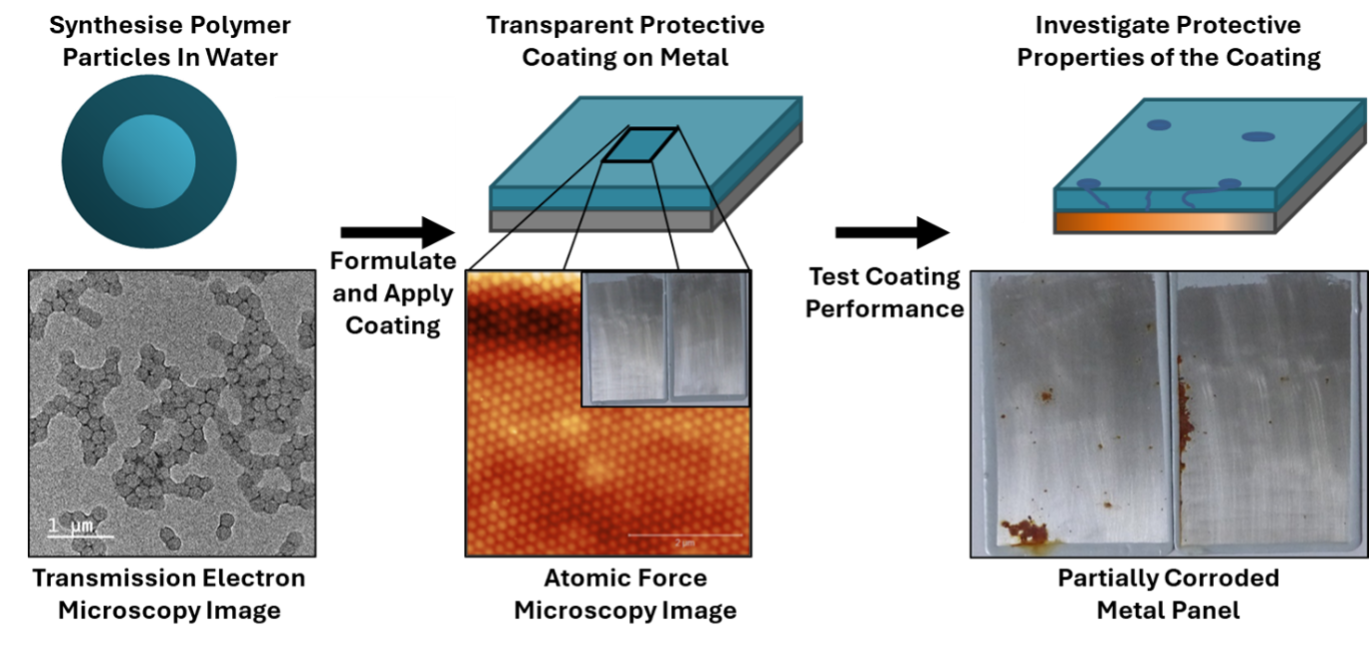
Protective coatings are hidden guardians of everyday life. From bridges, buildings, and wind turbines to hospital surfaces and medical packaging, coatings protect materials from corrosion, wear, and contamination. By extending the lifespan of vital infrastructure and products, they help reduce waste, conserve resources, and lower greenhouse gas emissions. Yet corrosion remains a major global challenge: replacing damaged steel alone contributes a significant and growing share of global carbon emissions, with costs measured in trillions of pounds each year.
Most protective coatings today are paints—complex mixtures of pigments and additives held together by oil based polymeric (plastic) binders. While effective, these materials typically rely on fossil derived solvents and feedstocks, and energy intensive manufacturing, giving them a high environmental footprint. As society responds to climate change and environmental pressures, there is an urgent need to rethink how these essential materials are made.
At the University of Manchester, the Fielding Research Group, led by Dr Lee Fielding, investigates the development of next generation of smart, sustainable coatings. Using water based and solvent free polymer technologies, the team designs coating technologies that aim to be easier to apply, safer to use, and kinder to the planet. By reducing harmful emissions and exploring materials that can even reuse captured carbon, this research aims to transform coatings across their entire life cycle—from production and application to reuse and end of life—helping protect both our built environment and the world around us.