
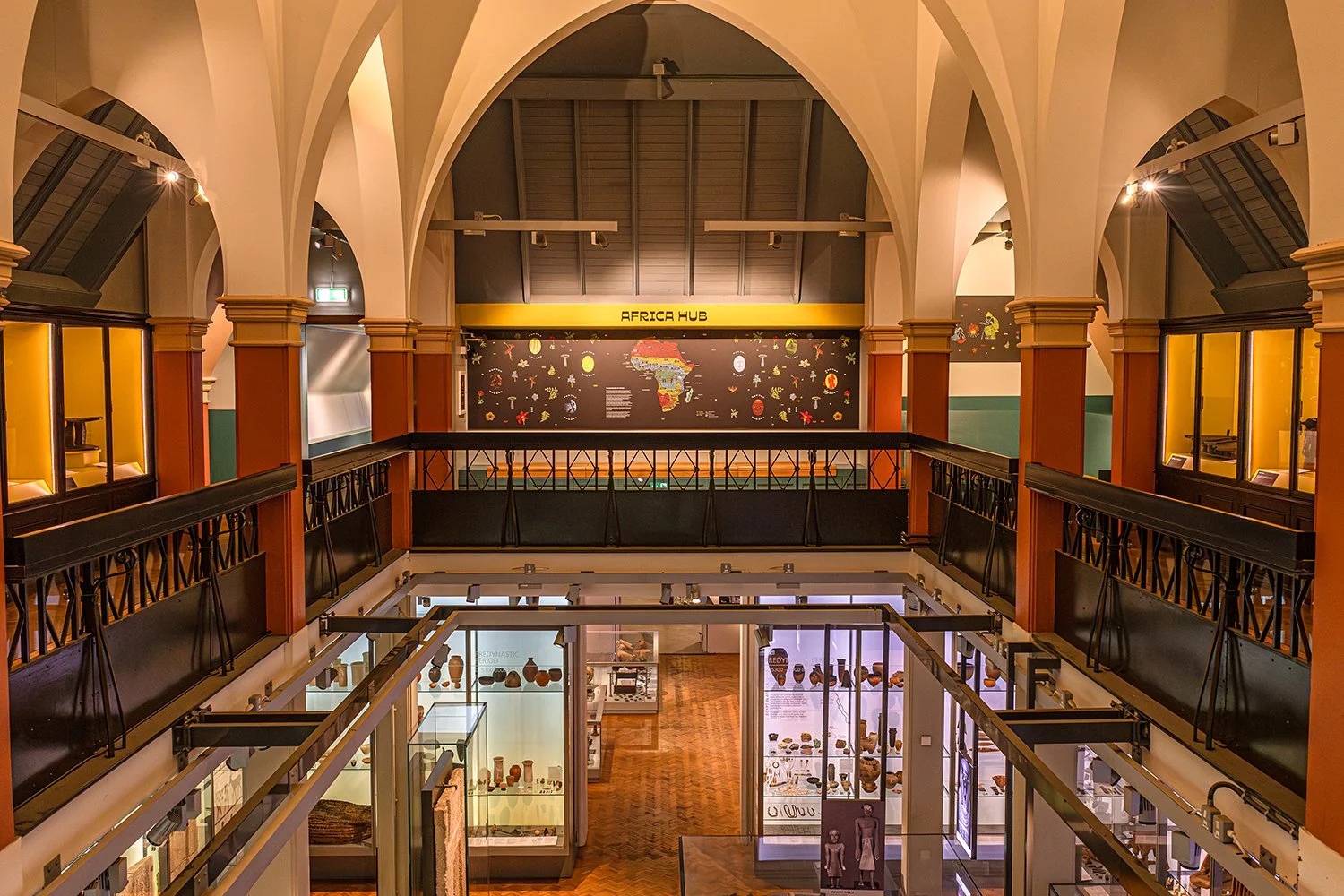
GALLERY | FLOOR 2
Africa Hub
Africa Hub is a new type of space that exposes the things we don’t know about the collections we care for.
Unlike most galleries or exhibitions, which present the outcome of years of research and collaboration, Africa Hub represents a beginning. It is a space where we lay bare the gaps in museum knowledge as a starting point for dialogue, understanding and connection.
Africa Hub is also an invitation. We want you to come on the journey with us, as we work to understand how best the African collections we care for can inspire future generations, whether through return to communities of origin or developing new ways of sharing and celebrating cultural heritage here in Manchester.
Community collaboration sits at the heart of Africa Hub. The first iteration of this space features a display co-curated with Igbo Community Greater Manchester (ICM), which tells rich stories about their cultural expression and heritage.
Whether you’re visiting the Museum in Manchester, or connecting with Africa Hub from somewhere else in the world, we invite you to reflect on what you see, and if you recognise any of the items here to share your stories, thoughts, perspectives and reflections.
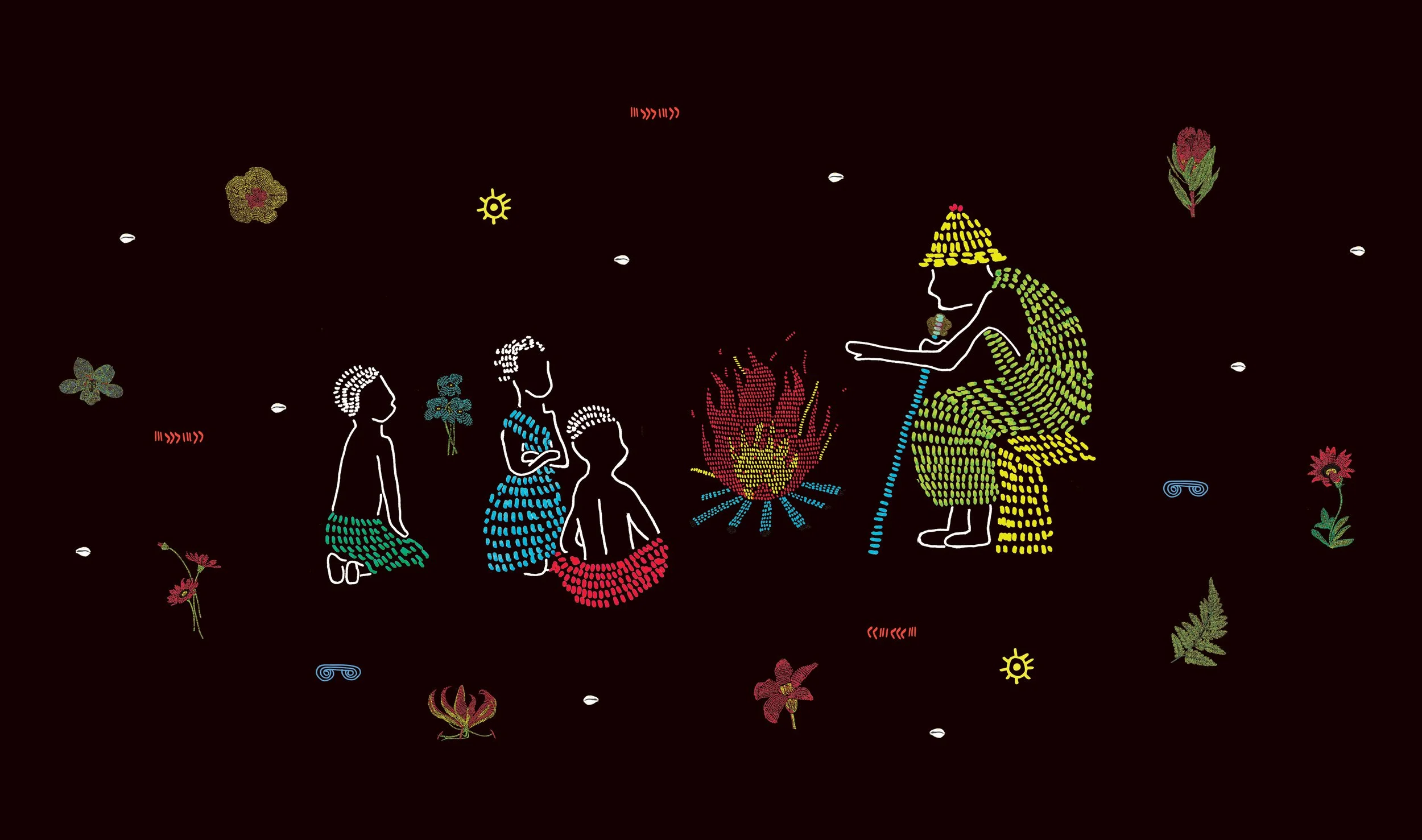
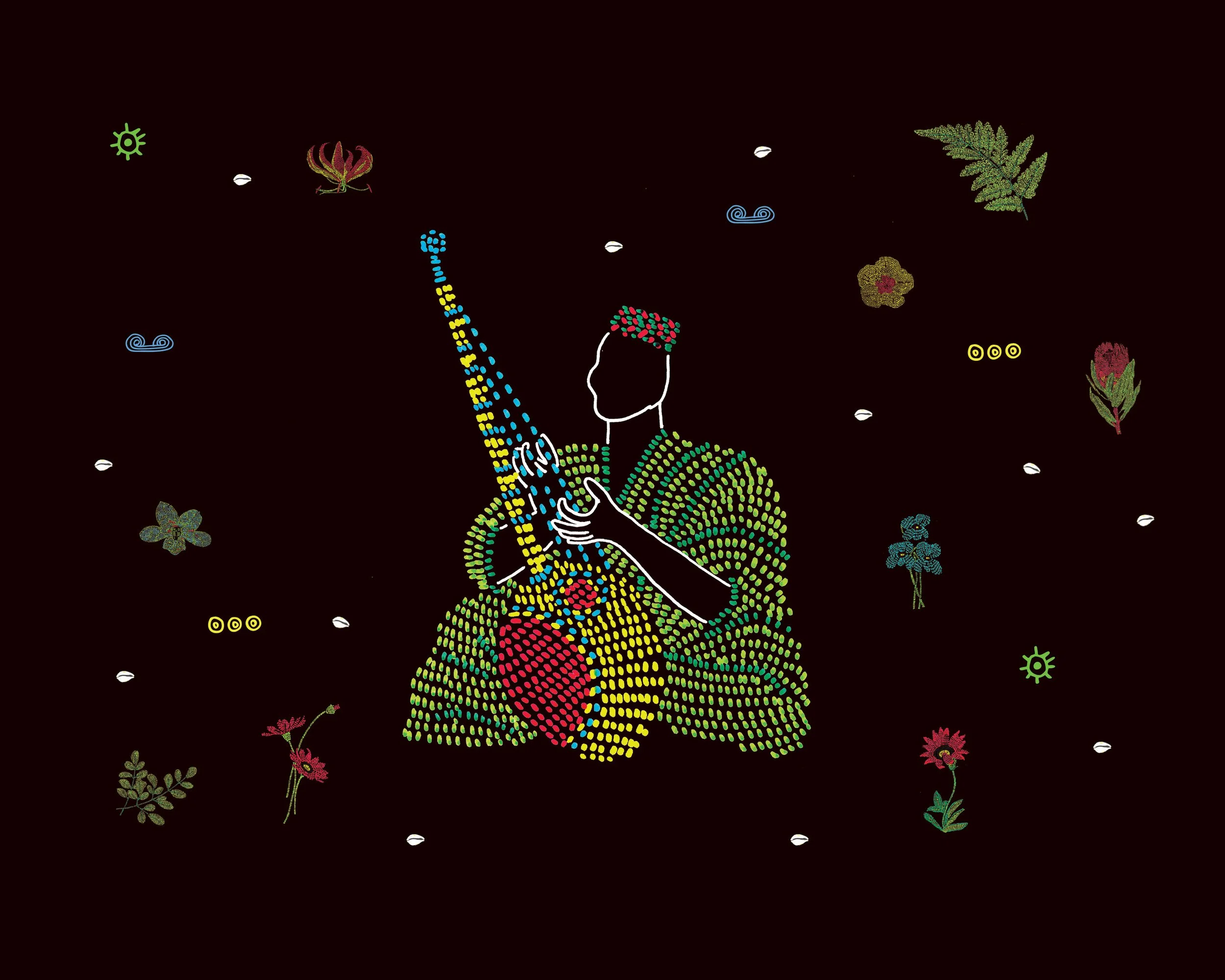
ILLUSTRATIONS FROM AFRICA HUB, DESIGNED BY AMANDINE FOREST-AGUIÉ, MALICE STUDIO.
The silences in museum records
Manchester Museum cares for more than 40,000 objects from across Africa, most of which have sat in storage for years, hidden from sight.
Many of these objects were collected during the period of the British Empire, through practices that included trade, anthropology, confiscation, and looting. They came into Manchester Museum as donations, purchases, or transfers from other institutions, and often the only information we have about them is the name of the donor or institution from which they were acquired.
Museum records rarely tell us who made these items, when they were created, or what they were originally called. They do not tell us who owned them, how they were used or why they mattered to people. Even when places and communities of origin are listed, the information is not always accurate.
Africa Hub is bringing many these items out of storage to confront these silences directly. By expanding their histories and reconnecting them with communities, we aim to give these collections new voice and relevance.
If you recognise something and want to share your insights with us, please speak to a member of staff or leave written feedback in the gallery. You can also share your comments via our online collections search. Have a look at the current rotation of objects on display within the gallery below.
Share your knowledge
These objects are on display in Africa Hub. If you recognise any of them, please share your stories via the link beneath.
-
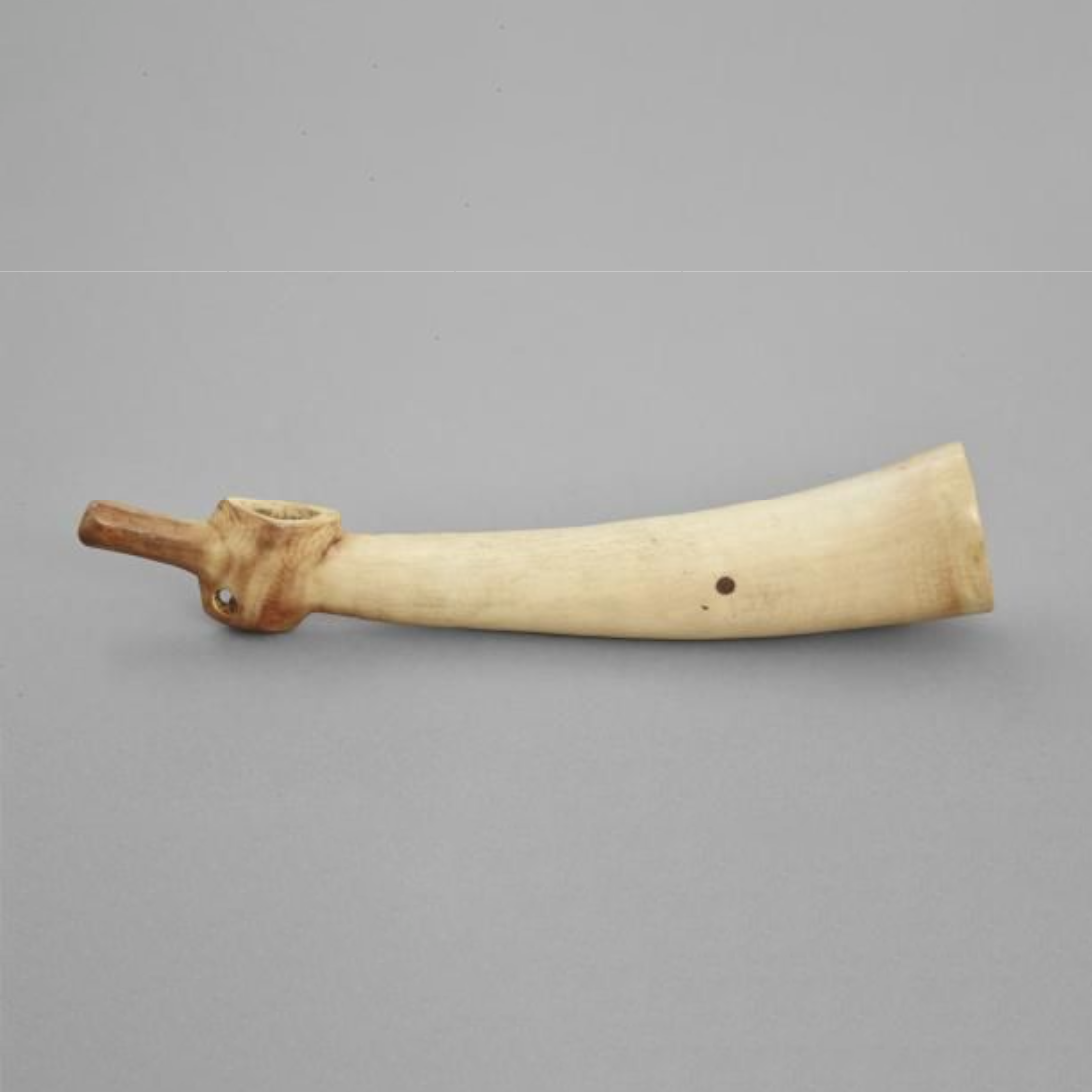
![An ivory trumpet made from the tip of an elephant's tusk, hollowed, with an expanding mouthpiece.]()
Trumpet, Central Africa
Ivory trumpet. Musical instrument. The tip of an elephant's tusk, hollowed, with an expanding mouthpiece. The mouthpiece terminates on the opposite side of the tusk in a pierced lug for suspension.
-
![A pottery rattle in the form of an animal, possibly a tortoise.]()
Rattle, Africa
A pottery rattle in the form of an animal, possibly a tortoise.
-
![Musical instrument made from string and beads.]()
Musical instrument, Africa
Musical instrument made from string and beads.
-
![A nose flute and whistle. The nose flute is made from the tip of a horn covered with leather and an iron strip. There are leather thongs attached.]()
Nose-flute, Eastern Africa
A nose flute and whistle. The nose flute is made from the tip of a horn covered with leather and an iron strip. There are leather thongs attached with a small wooden whistle, beads, a tooth and a madallion also.
-
![Wooden dog rattle with two peices of rope attached. There is a 'dot' pattern over the wood.]()
Rattle, Congo
Wooden dog rattle with two peices of rope attached. There is a 'dot' pattern over the wood.
-
![An African rattle. The body is made out of basketwork, with a base made from a section of a large gourd. It is filled with seeds or small stones.]()
Rattle, Liberia, Kroo Coast
Two rattles. The body is made out of basketwork, with a base made from a section of a large gourd. It is filled with seeds or small stones.
-
![A dancing rattle, consisting of a wickerwork, bell-shaped base of hide. It contains seeds and has a looped handle at the top.]()
Rattle, Liberia
A dancing rattle, consisting of a wickerwork, bell-shaped base of hide. It contains seeds and has a looped handle at the top.
-
![Earthenware drum. Hour glass shape. Parchment membrane, body and membrane painted red, blue and yellow design, made up of segments of circles.]()
Drum, North Africa
Earthenware drum. Hour glass shape. Parchment membrane, body and membrane painted red, blue and yellow design, made up of segments of circles.
-
![A musical instrument. The body of the instrument is made of canes lashed side by side. Strips of these canes are raised on wooden 'bridges' and wrapped with cane to form the 'strings'.]()
Musical instrument, Nigeria, Yergum
A musical instrument. The body of the instrument is made of canes lashed side by side. Strips of these canes are raised on wooden 'bridges' and wrapped with cane to form the 'strings'.
-
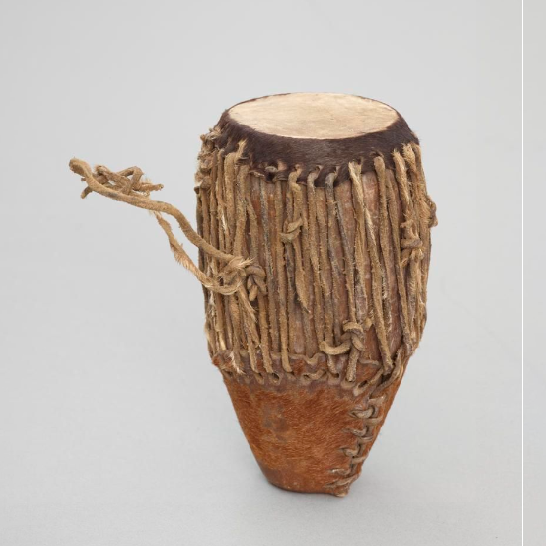
![Drum made from a hollow piece of wood covered with a hide. A tympanum of leather is held on by leather strings, with a seed or pebble inside.]()
Drum, Uganda, Acholi
Drum made from a hollow piece of wood covered with a hide. A tympanum of leather is held on by leather strings, with a seed or pebble inside.
-
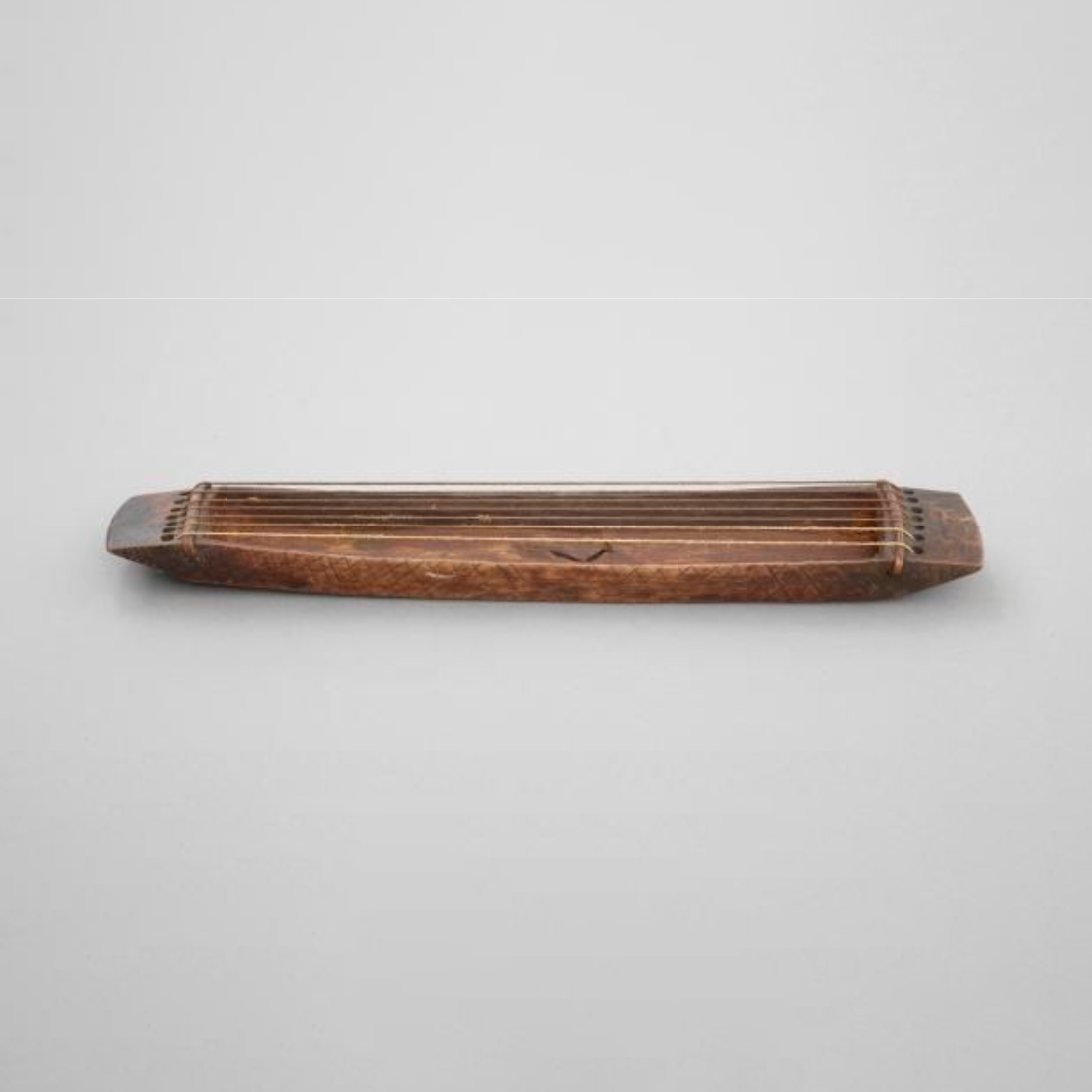
![This is a stringed musical instrument. The base is a hollow rectangle of wood with a pierced lug at either end, between which are stretched seven fibrous strings.]()
Musical instrument, Uganda, Alur Tribe
This is a stringed musical instrument. The base is a hollow rectangle of wood with a pierced lug at either end, between which are stretched seven fibrous strings. There is an openwork X pierced in the base of the rectangle. The strings are made of a single length of gut.
-
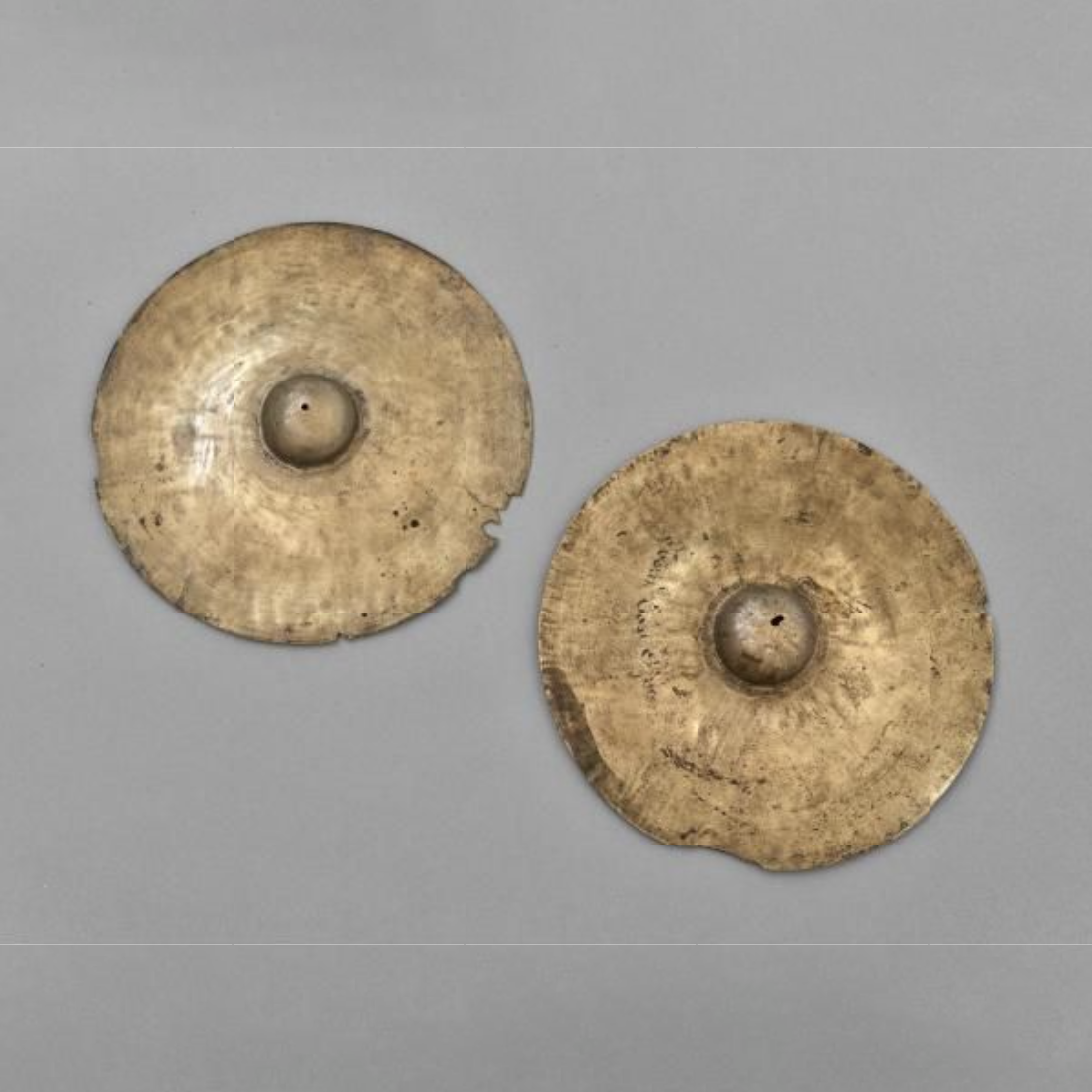
![A pair of brass cymbals. They have been inscribed ‘From East Africa’.]()
Cymbal, Eastern Africa
A pair of brass cymbals. They have been inscribed ‘From East Africa’.
-
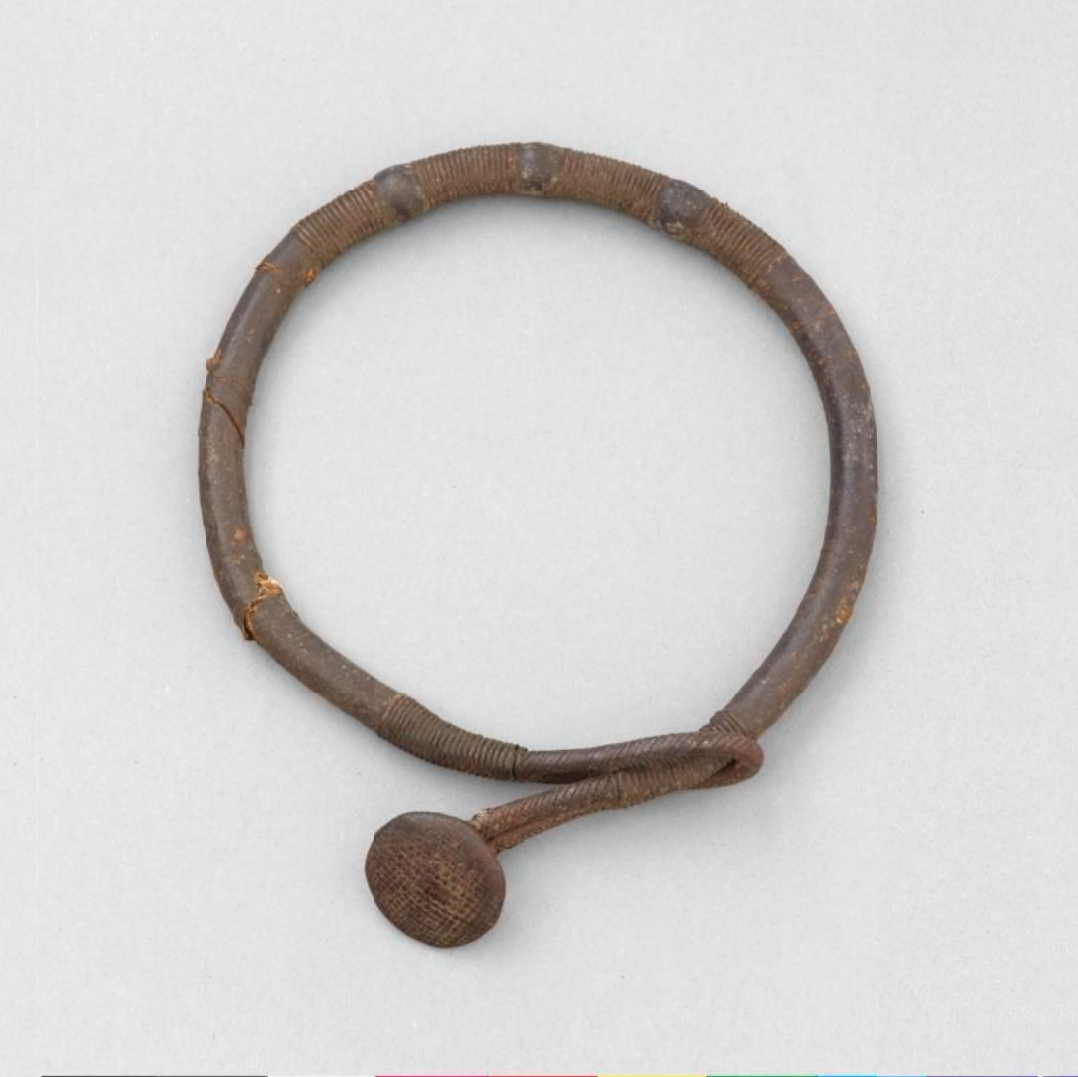
![Necklace is made of a leather tube which has been bent into a circle and decorated with coils of leather string.]()
Necklace, Africa
Necklace is made of a leather tube which has been bent into a circle and decorated with coils of leather string. It fastens with a plaited leather loop and a leather covered button.
-
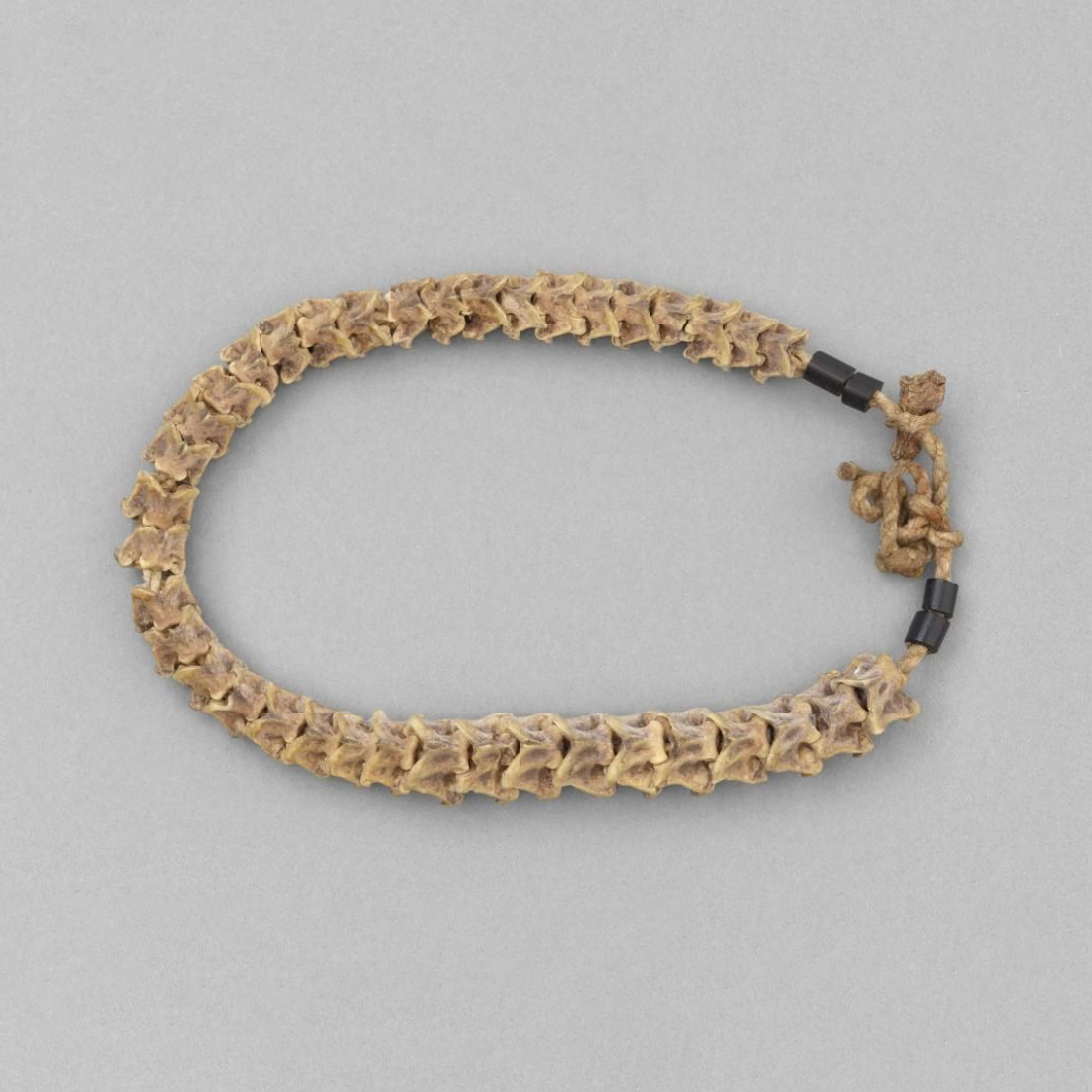
![Necklace consisting of a snakes vertebrae threaded on to a piece of string in the correct order.]()
Necklace, Africa
Necklace consisting of a snakes vertebrae threaded on to a piece of string in the correct order.
-
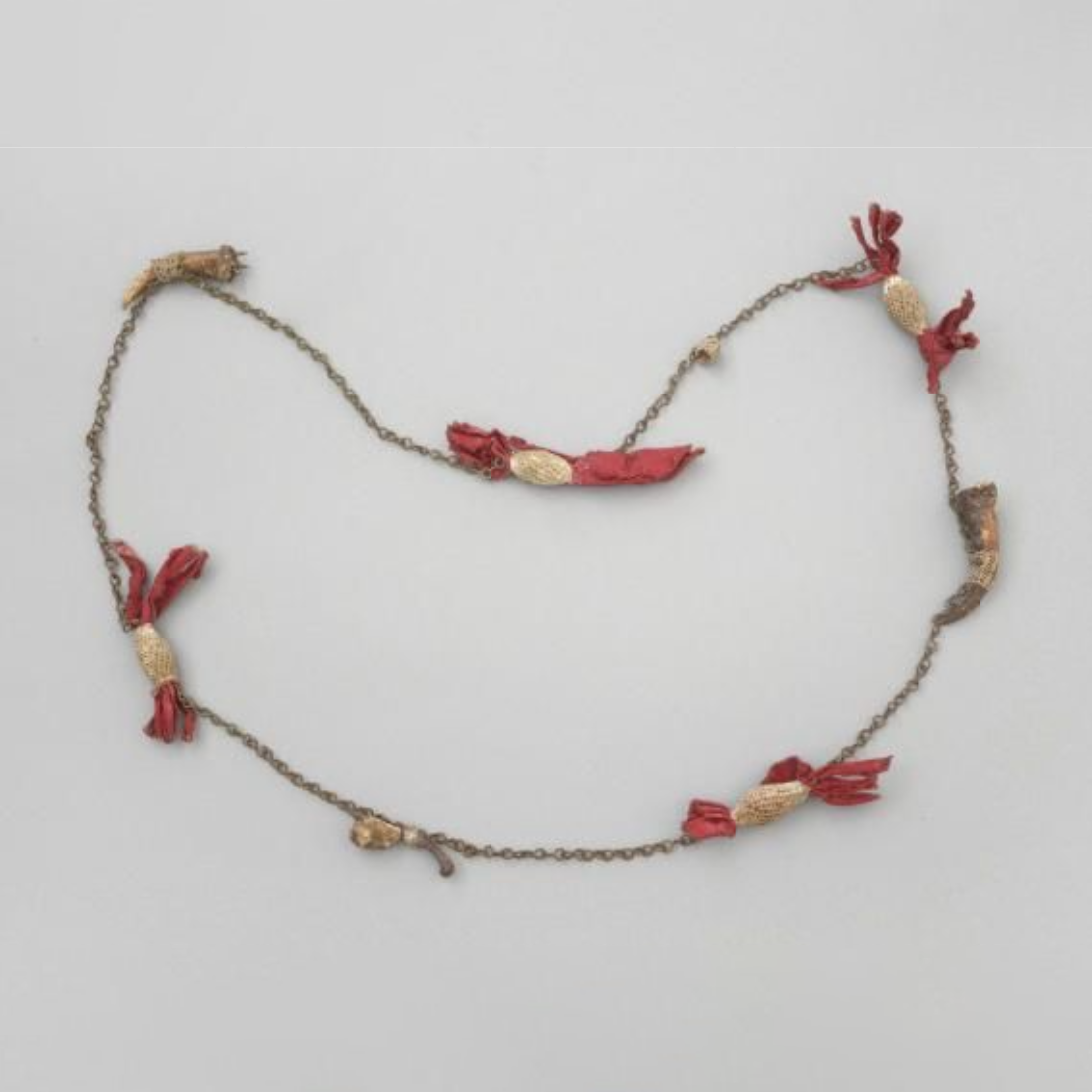
![A Necklace made from a brass chain with attachments of red cloth and jawbones attached at intervals by bands of white buttonholing.]()
Necklace, Africa
A Necklace made from a brass chain with attachments of red cloth and jawbones attached at intervals by bands of white buttonholing.
-
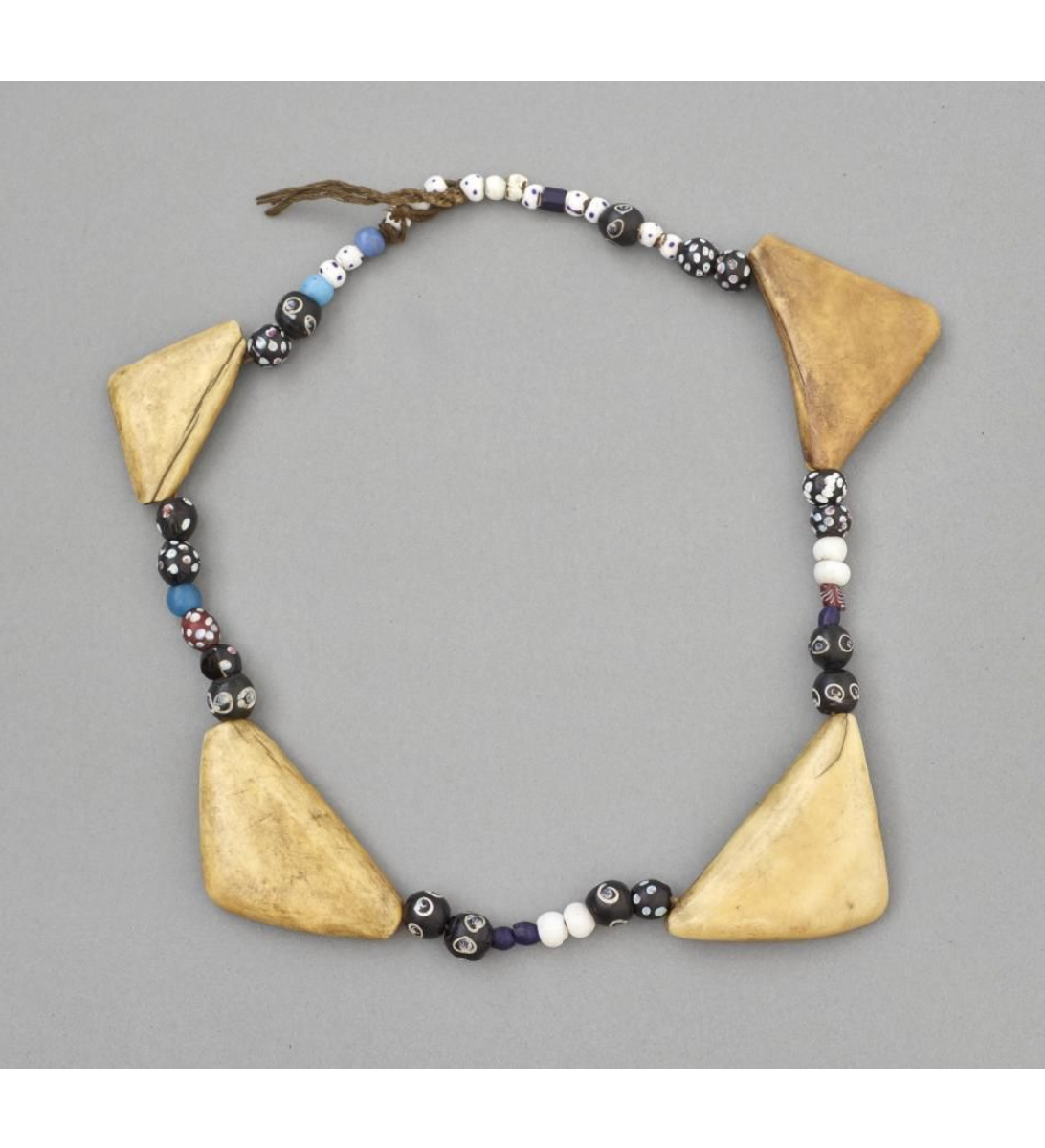
![A necklace consisting of large glass beads, many of them spotted, and four large triangles of bone. All threaded onto string.]()
Necklace, Tanzania
A necklace consisting of large glass beads, many of them spotted, and four large triangles of bone. All threaded onto string.
-
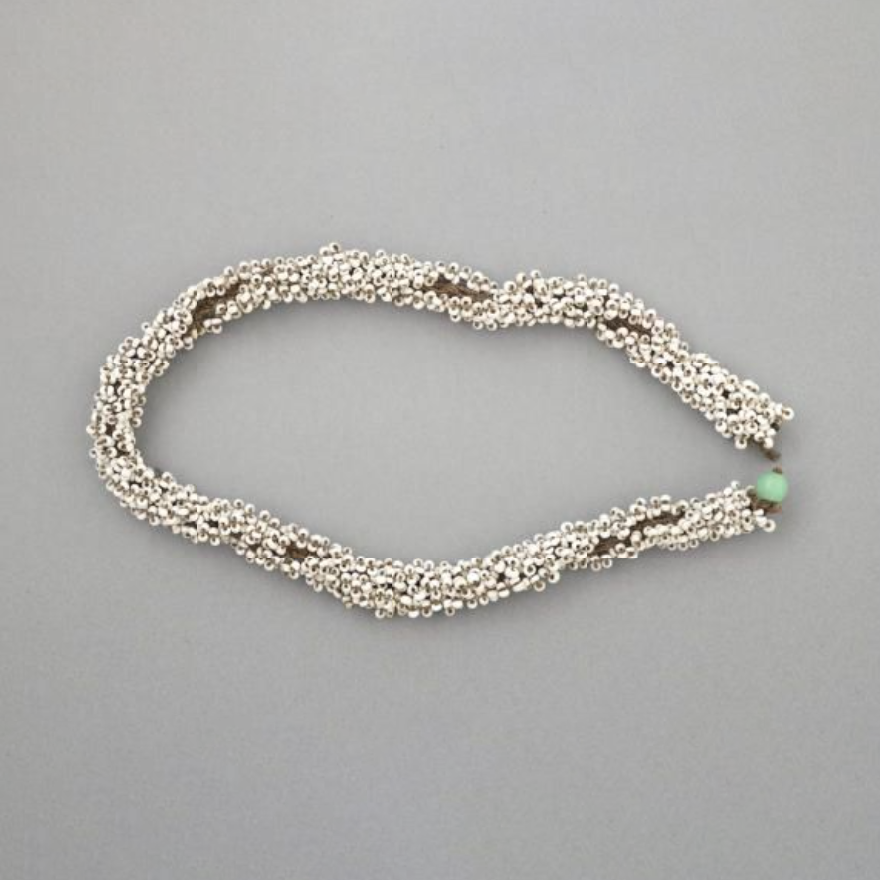
![A necklace, consisting of loose coil of white beads. There is a large green bead at either end.]()
Necklace, Eastern Africa
A necklace, consisting of loose coil of white beads. There is a large green bead at either end.
-
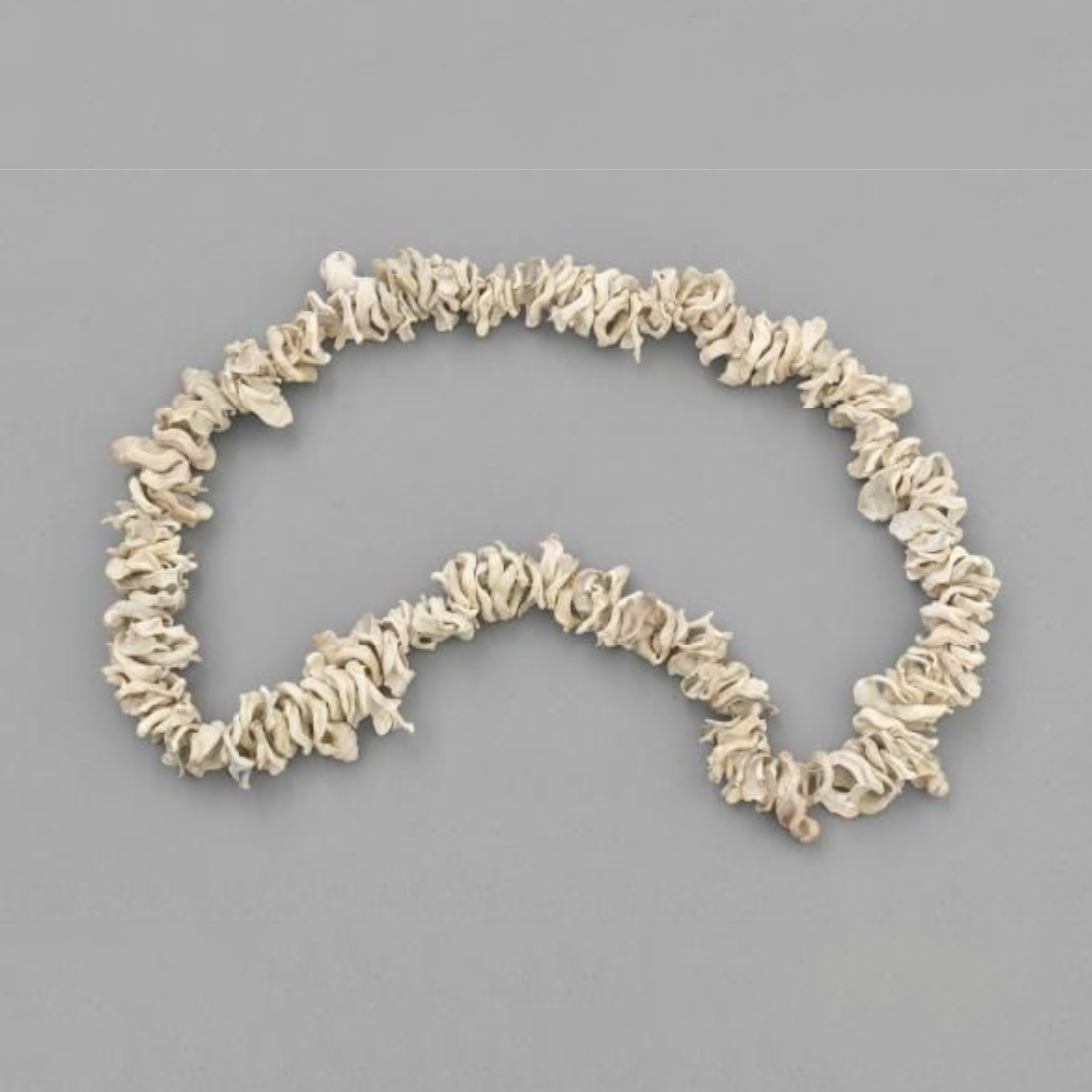
![A necklace made form parts of whelk or similar shells threaded on fibrous string.]()
Necklace, Africa
A necklace made form parts of whelk or similar shells threaded on fibrous string.
-
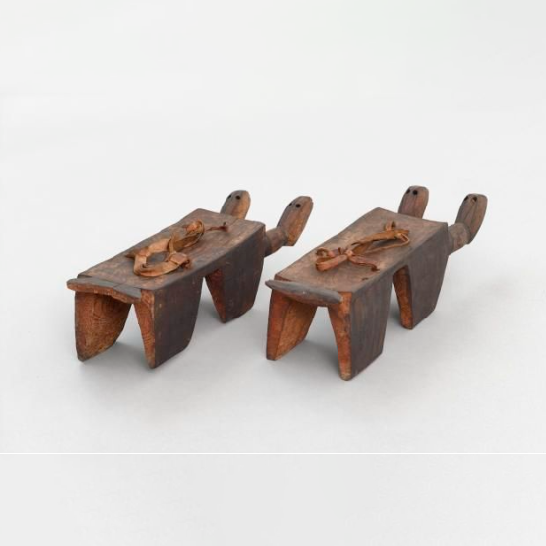
![A wooden artefact, possibly a ceremonial sandal. Cut from a single block of wood. Rectangular top with four short, broad, flat legs.]()
Artefact, Nigeria
A wooden artefact, possibly a ceremonial sandal. Cut from a single block of wood. Rectangular top with four short, broad, flat legs. Two 'heads and necks' project from the front, and a 'fish tail' at the back.
-
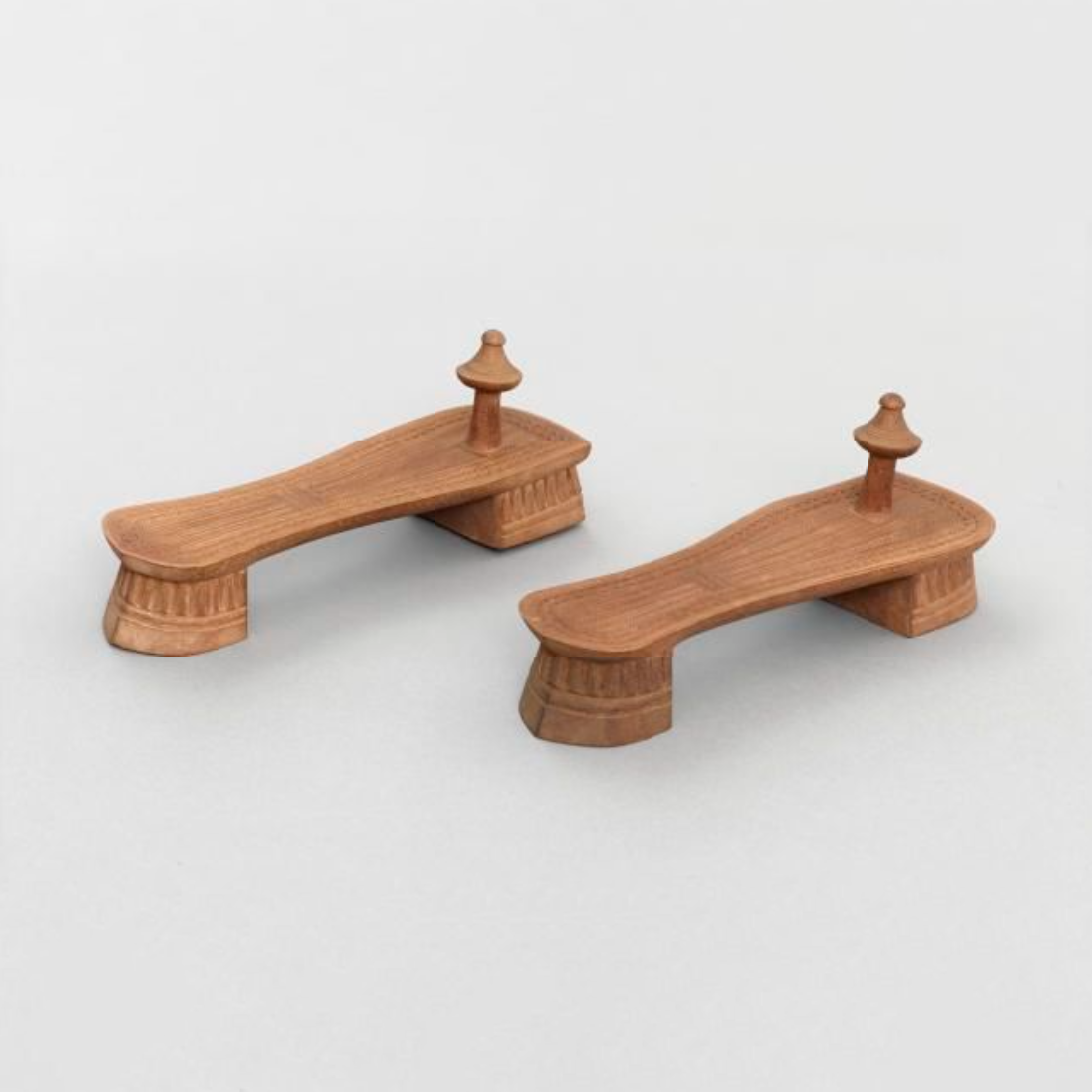
![A pair of wooden sandals.]()
Sandals, Uganda, Antole
A pair of wooden sandals.
-
![A pair of sandal made of the rubber from car tyres. They are a little worn.]()
Sandals, Tanzania, Iringo
A pair of sandal made of the rubber from car tyres. They are a little worn.
-
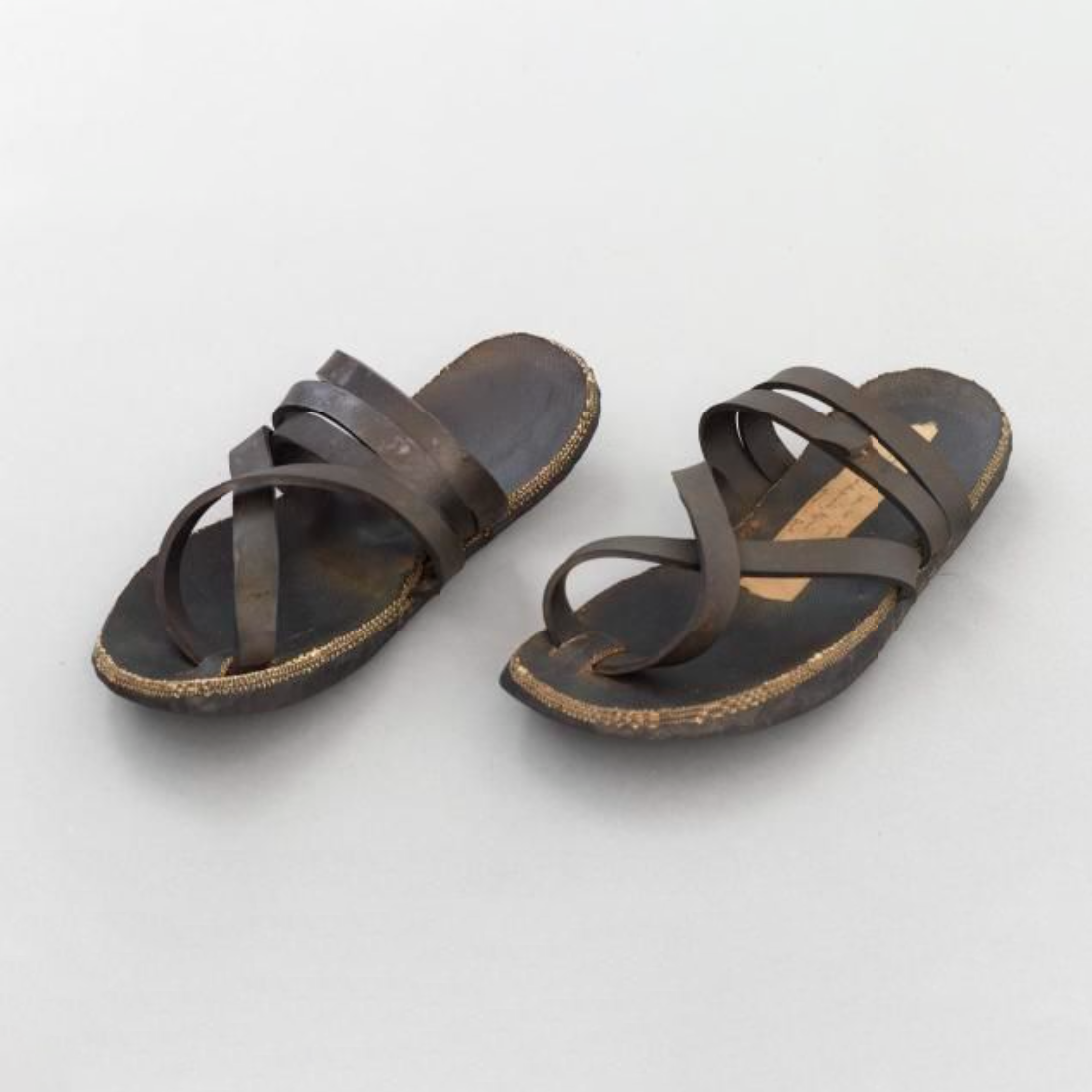
![A pair of sandals. They have thin leather soles, hourglass in shape, sewn together.]()
Sandals, Africa
A pair of sandals. They have thin leather soles, hourglass in shape, sewn together. The upper consists of broad straps of leather decorated with inlay and thonging, with a large conical woven leather button where they meet.
-
![A pair of sandals. The soles are made of thick leather, the uppers of thinner leather straps, threaded through a panel of leather.]()
Sandals, West Africa
A pair of sandals. The soles are made of thick leather, the uppers of thinner leather straps, threaded through a panel of leather which is cut with crescentic slots to produce raised circles where the straps pass underneath. Brown in colour.
-
![A stool, cut from a solid block of light wood. It has a square base with a central pillar to support the top, which is an inverted truncated cone.]()
Stool, Gambia, Banjul
A stool, cut from a solid block of light wood. It has a square base with a central pillar to support the top, which is an inverted truncated cone. The seat is slightly dished, and is decorated with panels of fine crosshatching and chevrons.
-
![The stool has four legs and a round dished top. Thew whole has been cut from a solid block of wood, each leg has a shallow conical foot.]()
Stool, Angola, Loanda (Luanda)
The stool has four legs and a round dished top. Thew whole has been cut from a solid block of wood, each leg has a shallow conical foot.
-
![A circular stool with ten round, tapering legs, all cut from one solid block. The top is covered with shallow carving.]()
Stool, Nigeria, Lagos
A circular stool with ten round, tapering legs, all cut from one solid block. The top is covered with shallow carving, including a chevron circle around an interlacing central design.
-
![A stool, cut from a single block of hard wood, with four legs. The top is rectangular with the corners cut out.]()
Stool, West Africa
A stool, cut from a single block of hard wood, with four legs. The top is rectangular with the corners cut out, carved with zig-zags and a central panel of strapwork. There is a stylised lizard motif at either end.
-
![Wooden Dish cut from one block of wood, which is canoe shaped with pointed ends.]()
Dish, West Africa, Congo
Wooden Dish cut from one block of wood, which is canoe shaped with pointed ends. It stands on four legs and has a grooved inside rim.
-
![Wooden oval dish on four legs with two handles.]()
Dish, Africa
Wooden oval dish on four legs with two handles. One of the handles has a ring of coiled wire attached, the other has a bundle of cotton thread with metal tages. There are incised designs on the outside.
-
![A shallow oval, wooden dish standing on four short, thick legs, with a large, projecting ‘bottle opener’ shaped handle at either end.]()
Dish, South Africa
A shallow oval, wooden dish standing on four short, thick legs, with a large, projecting ‘bottle opener’ shaped handle at either end. This was all cut from a single piece of wood.
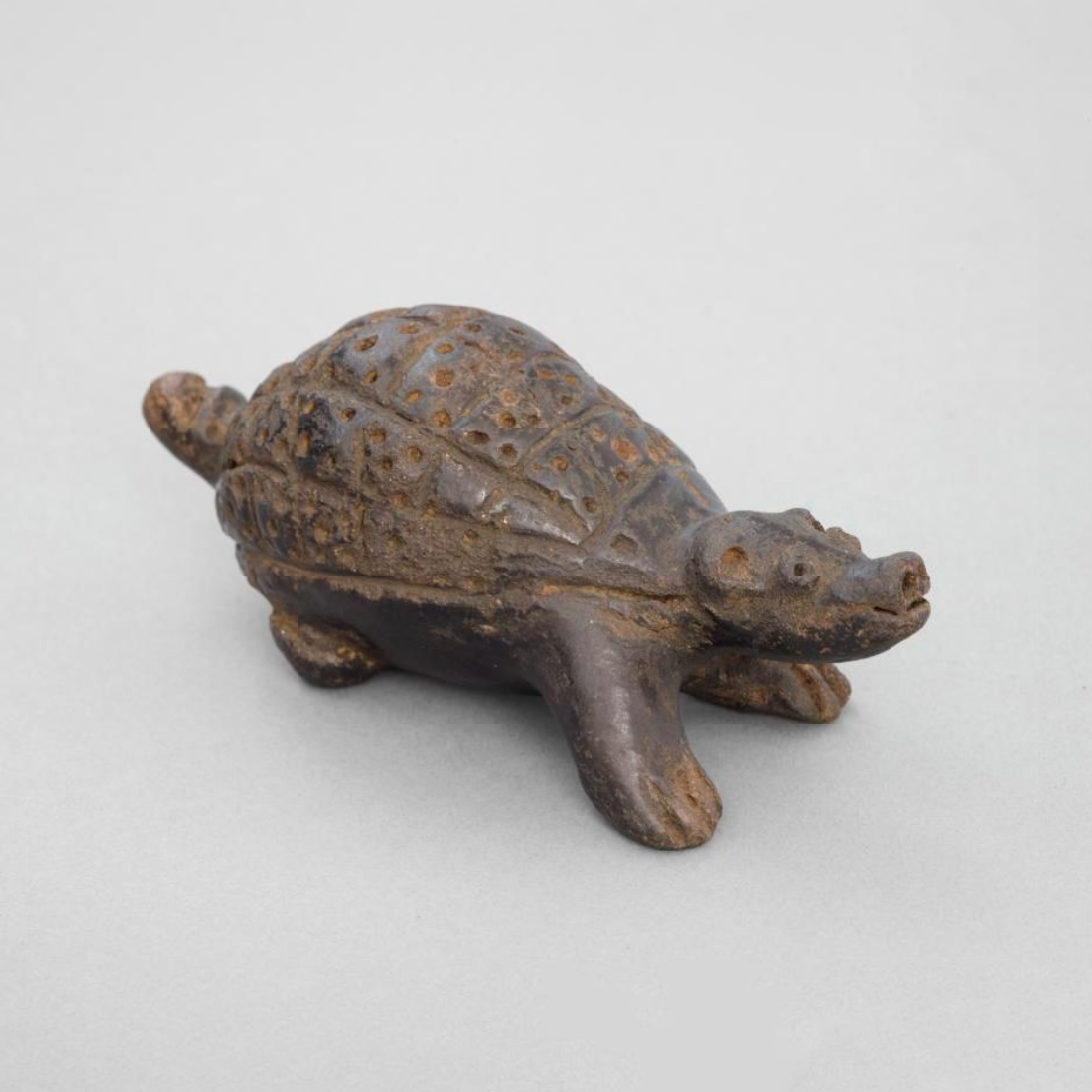
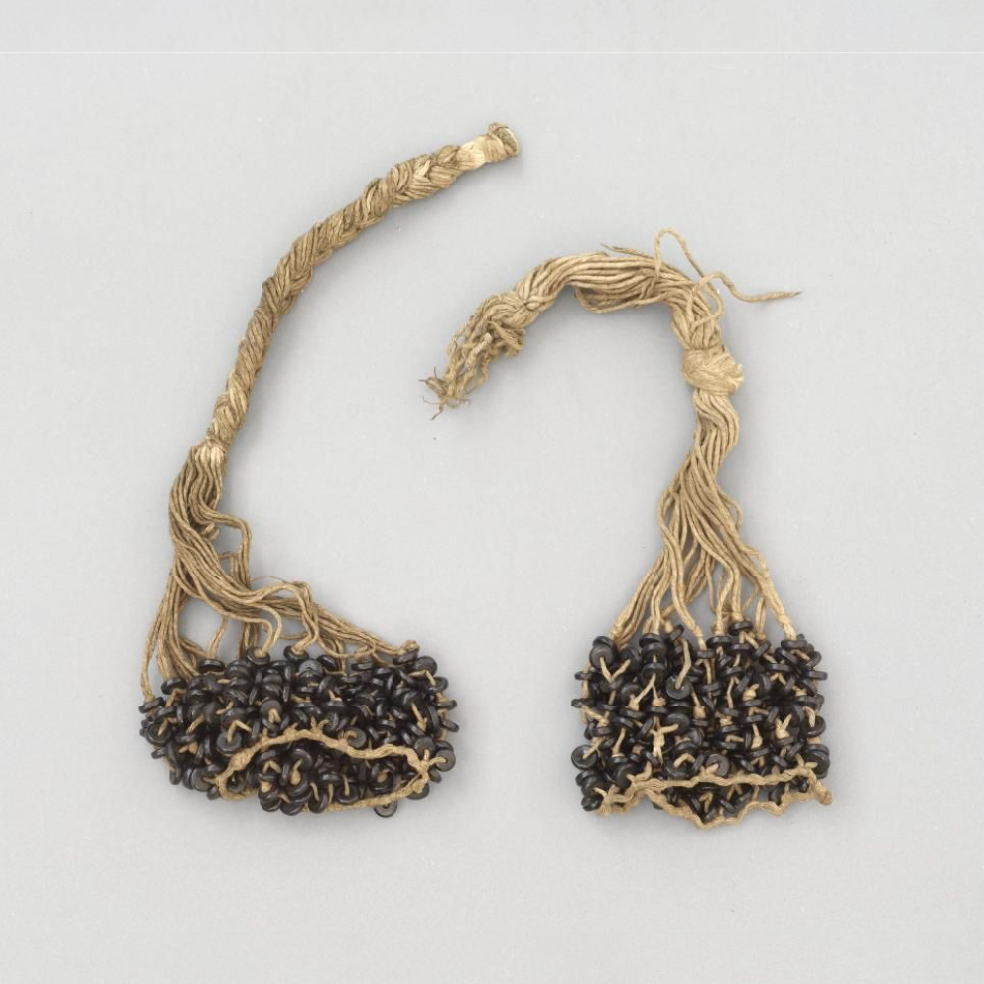
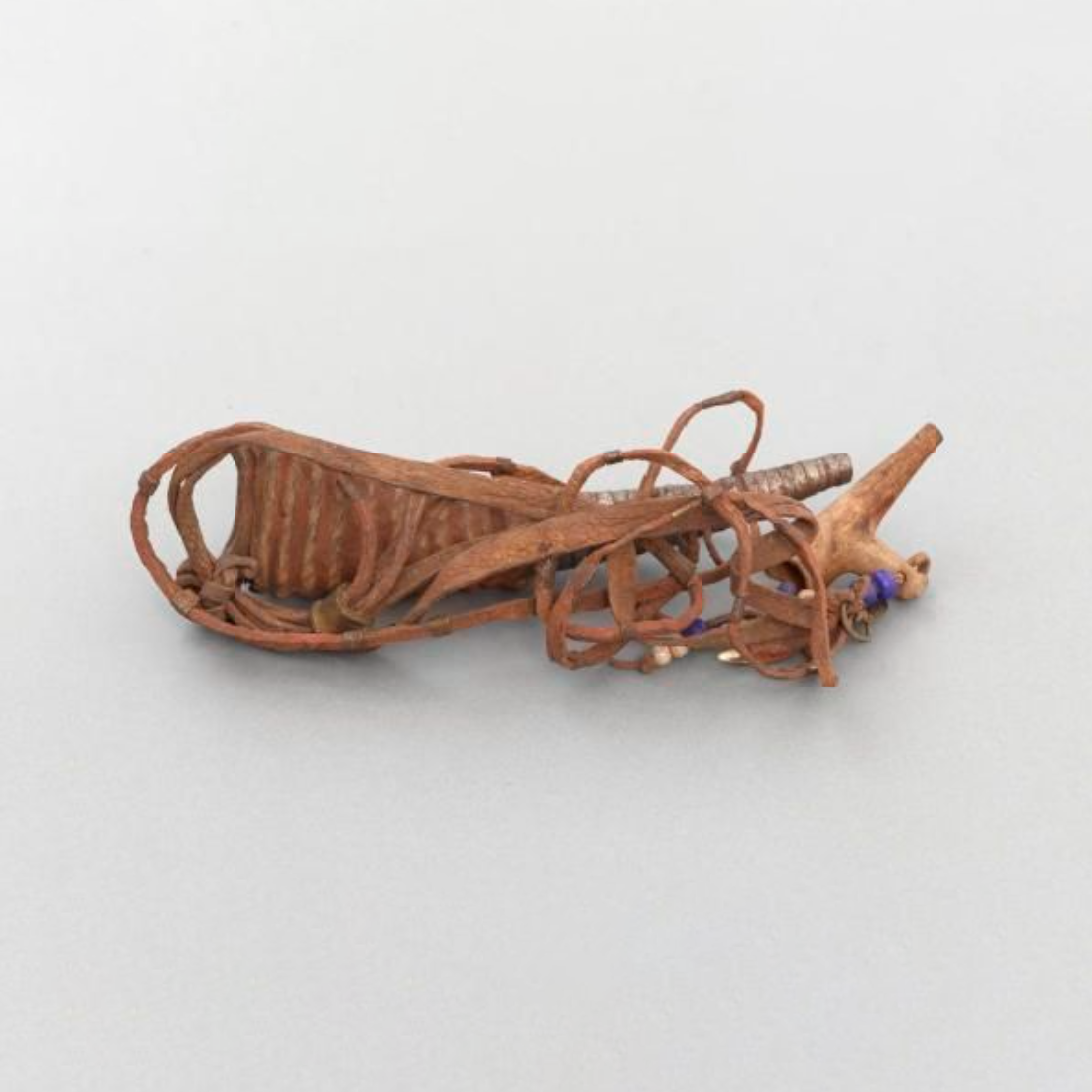
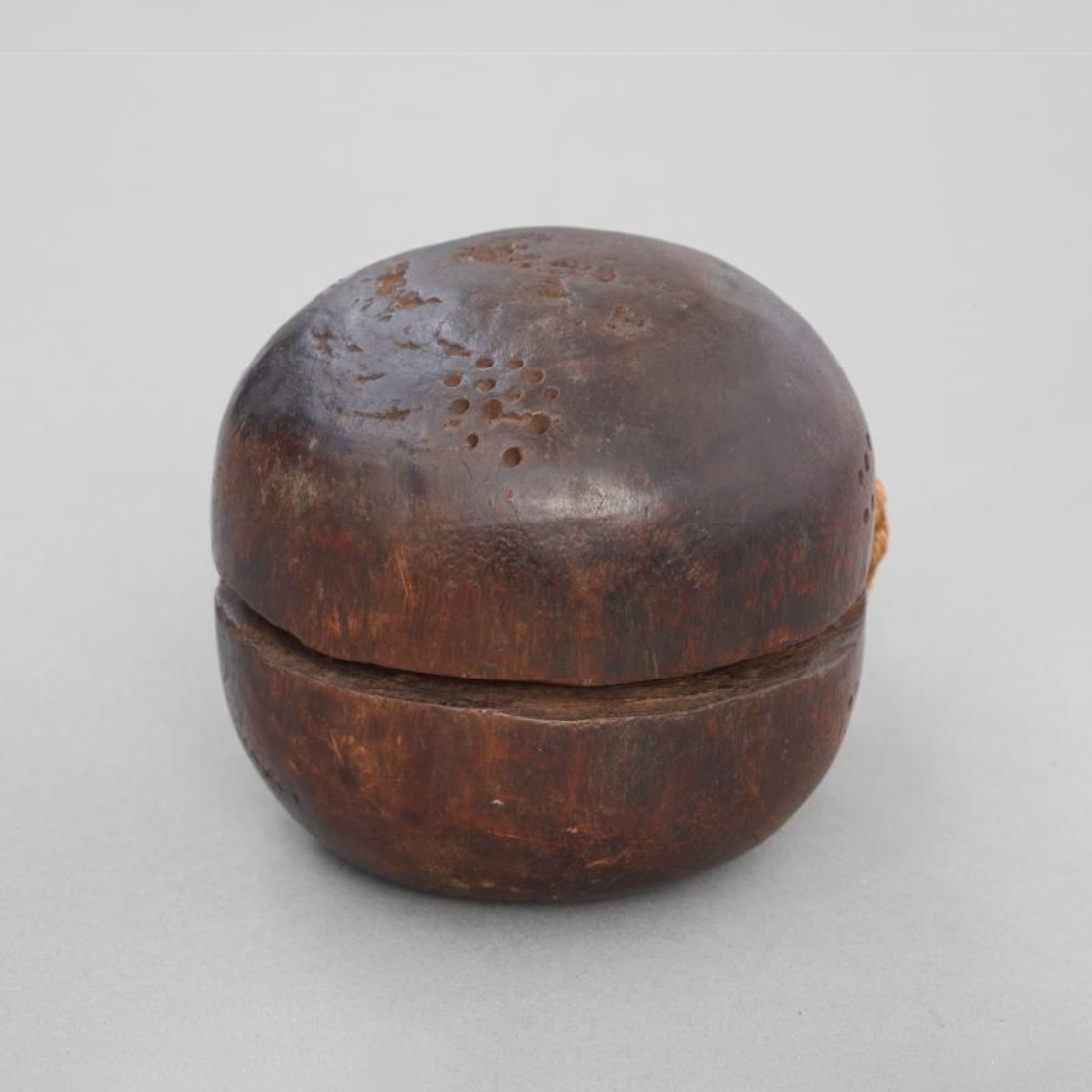
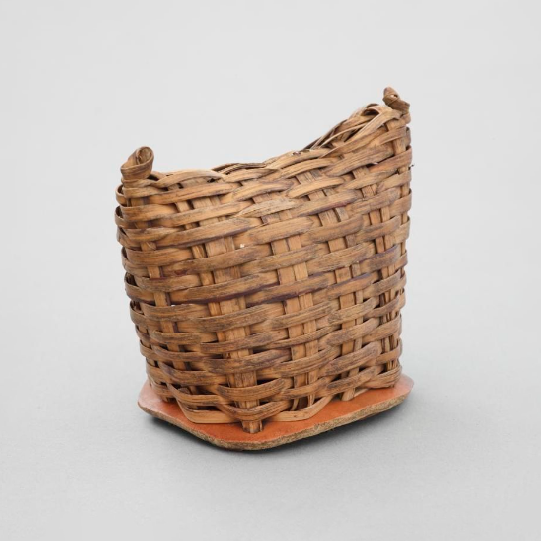
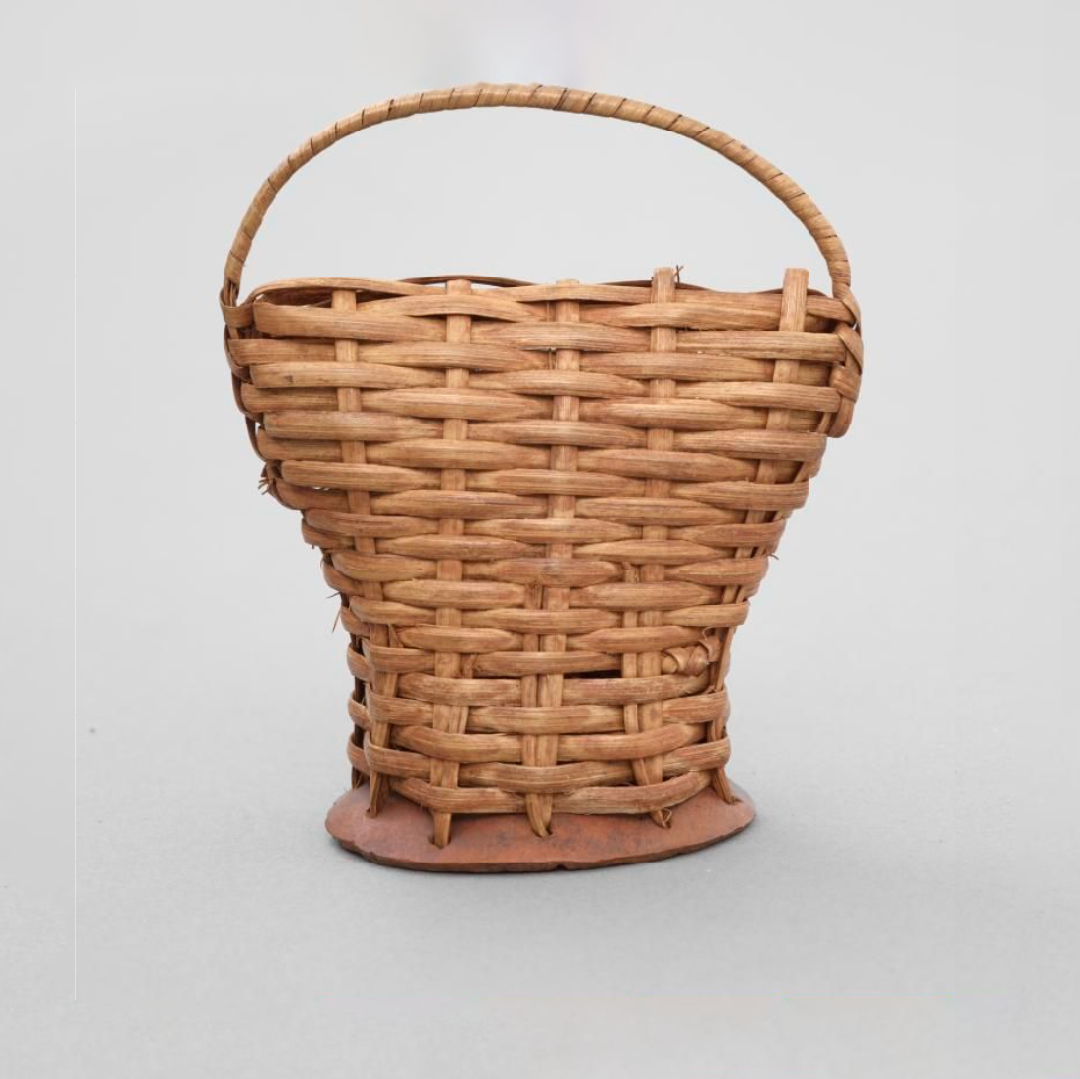
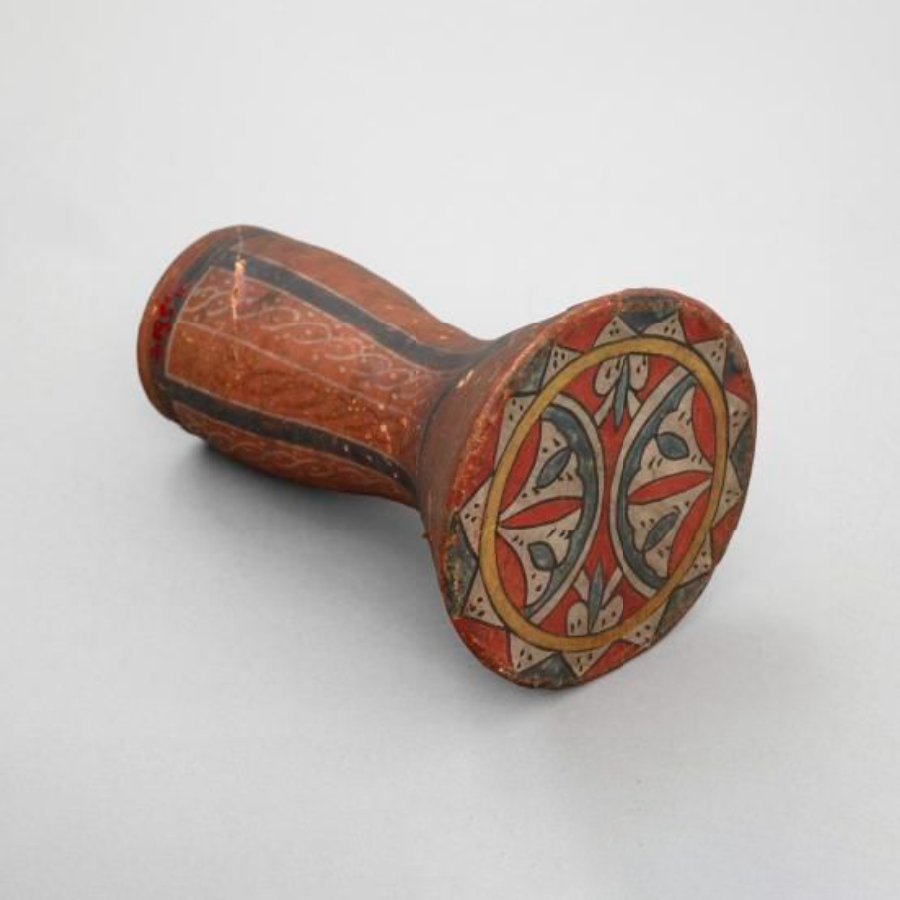
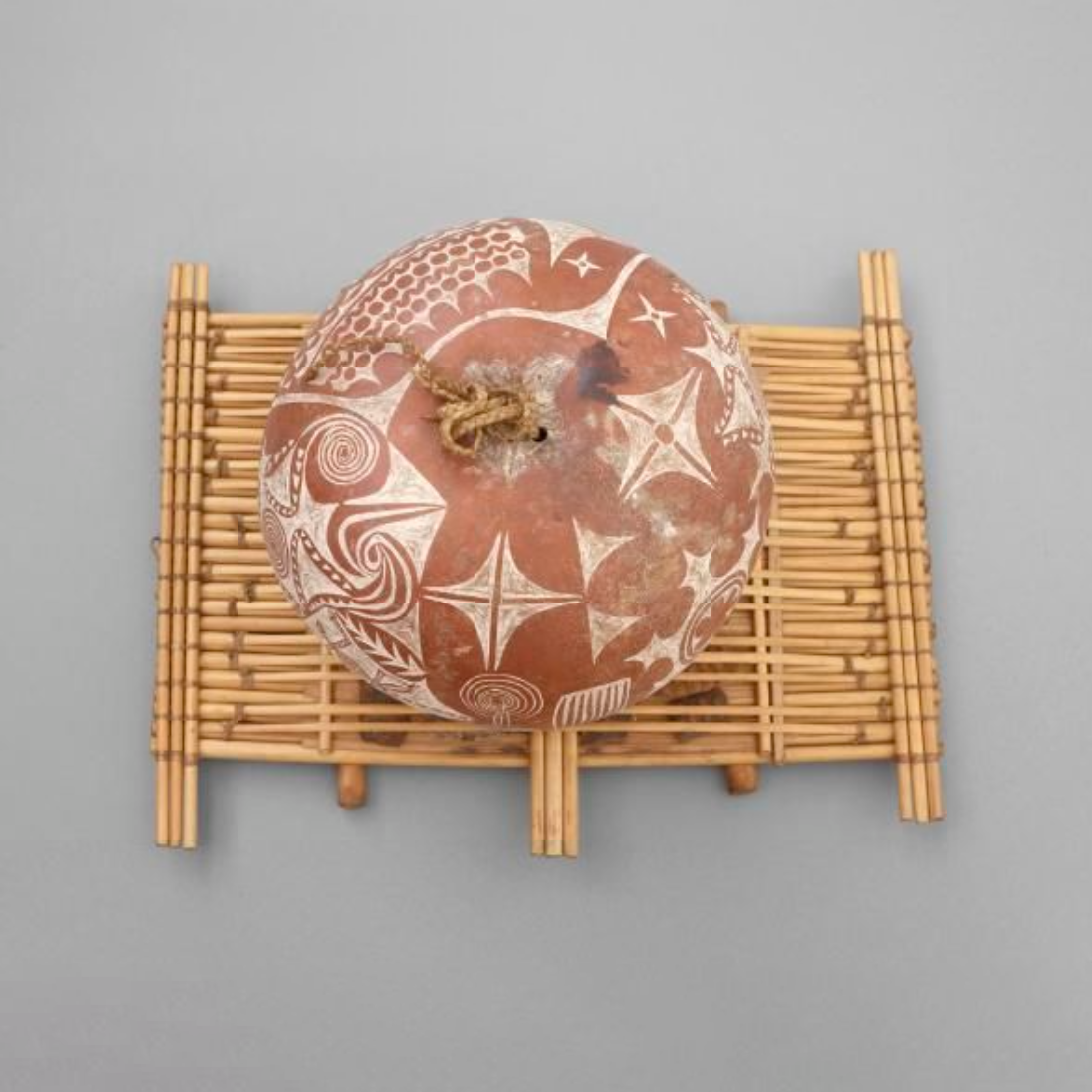
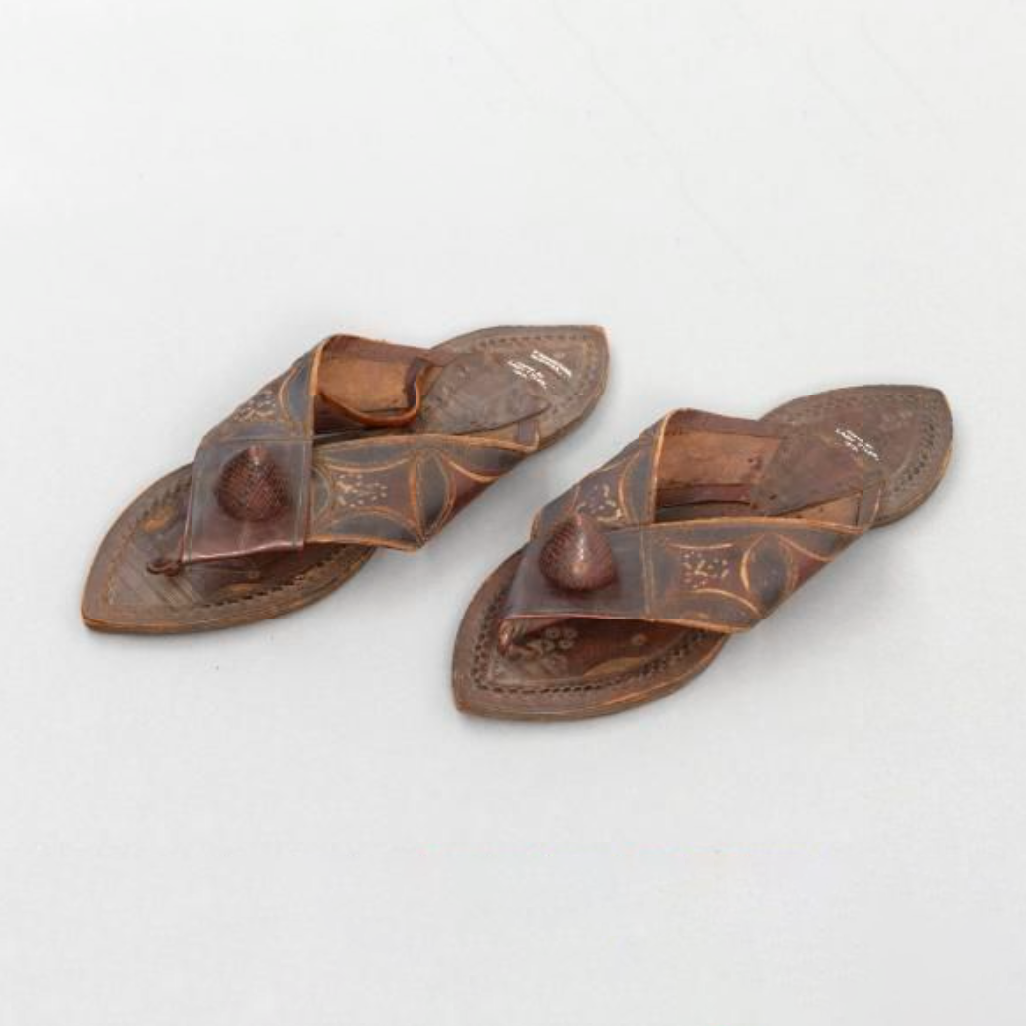
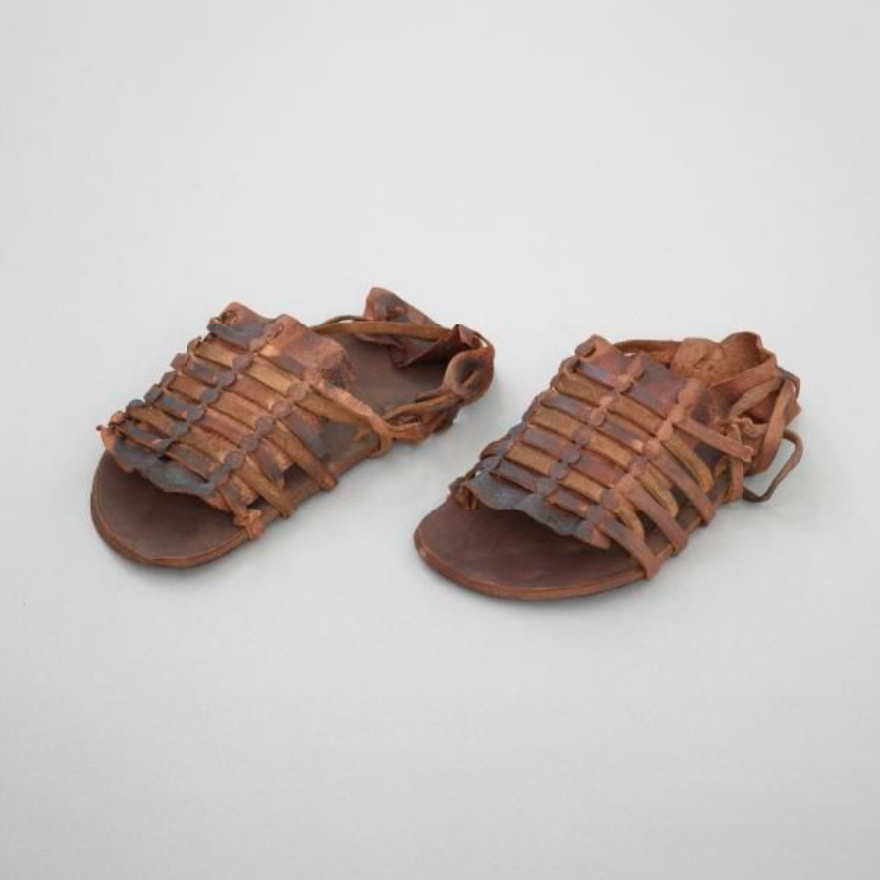
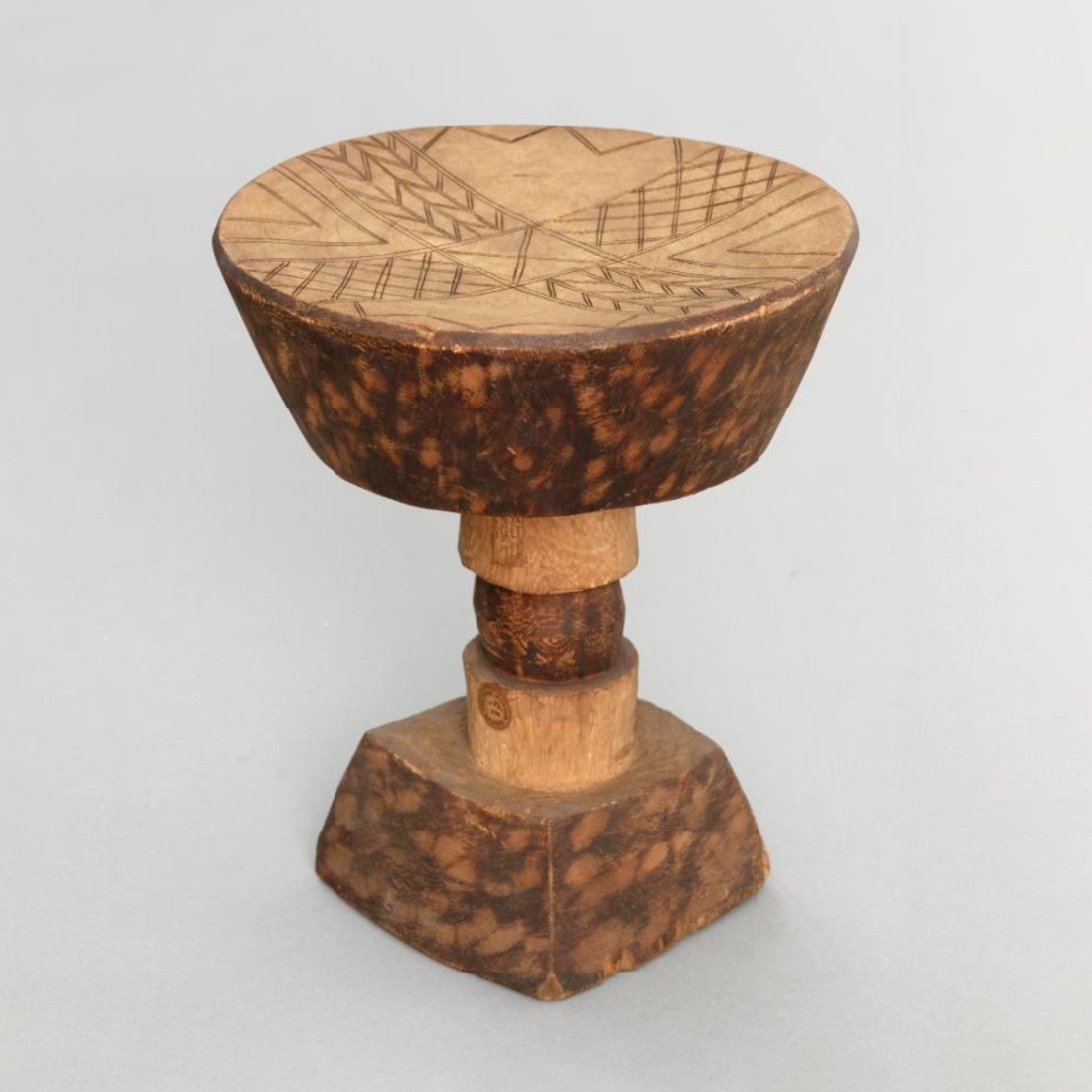
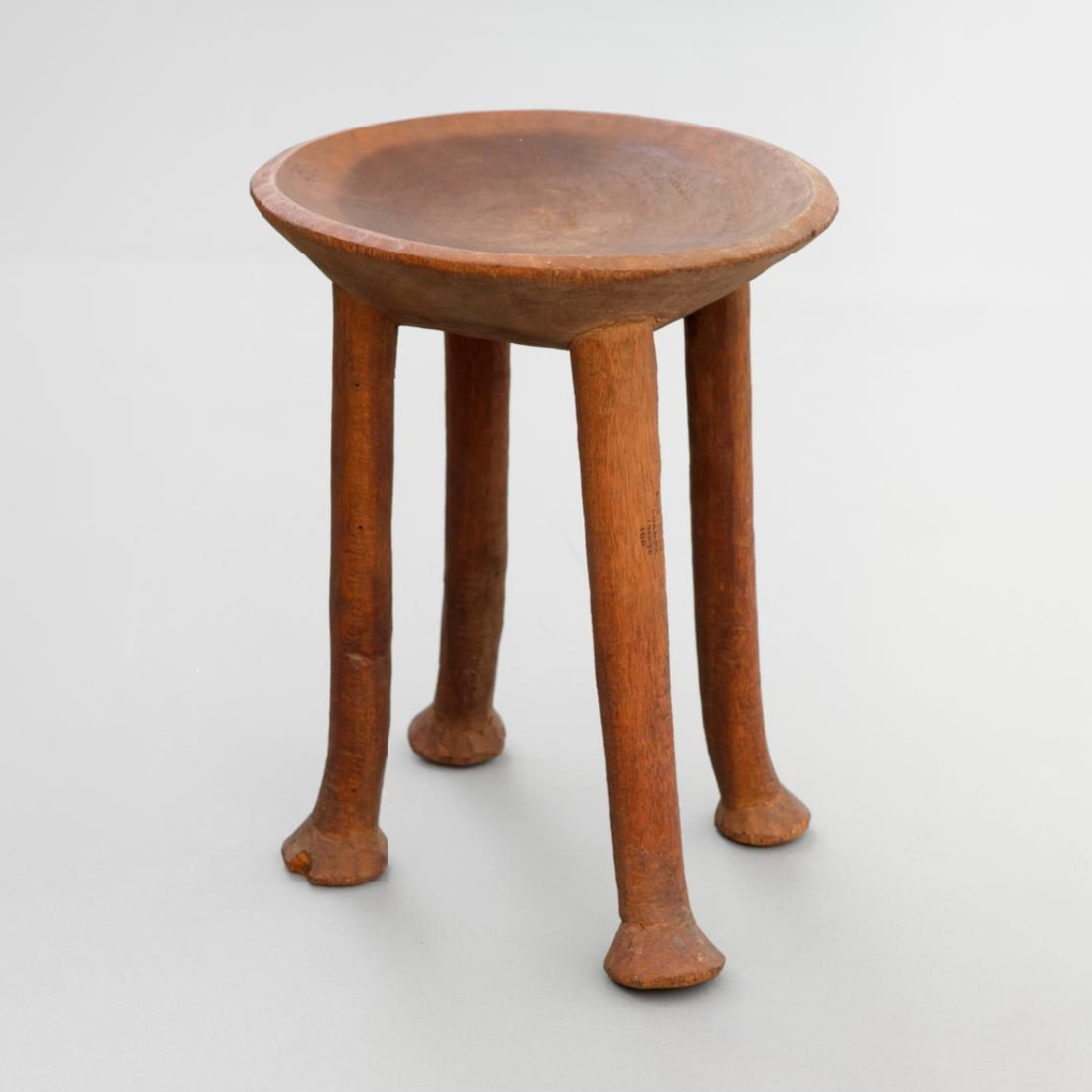
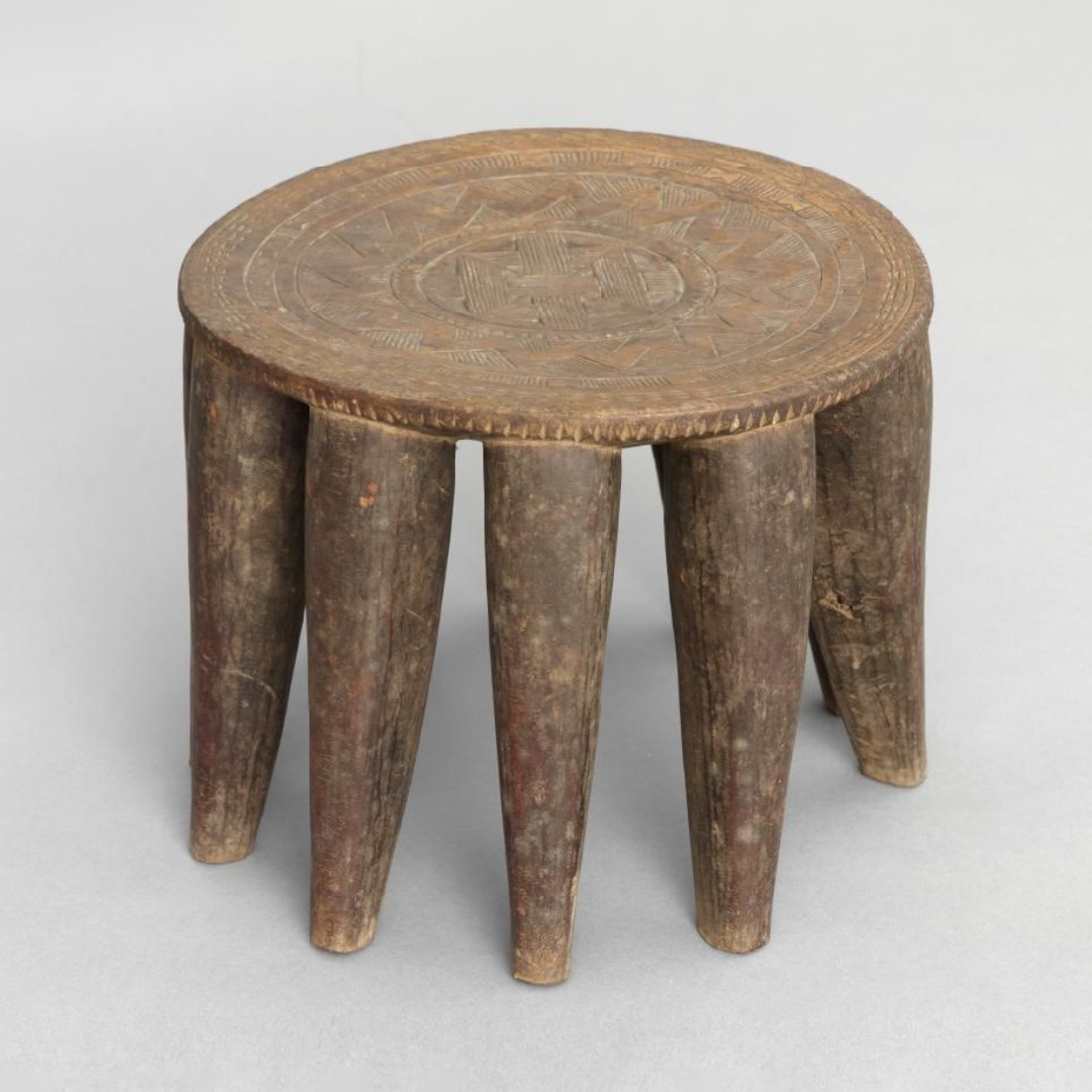
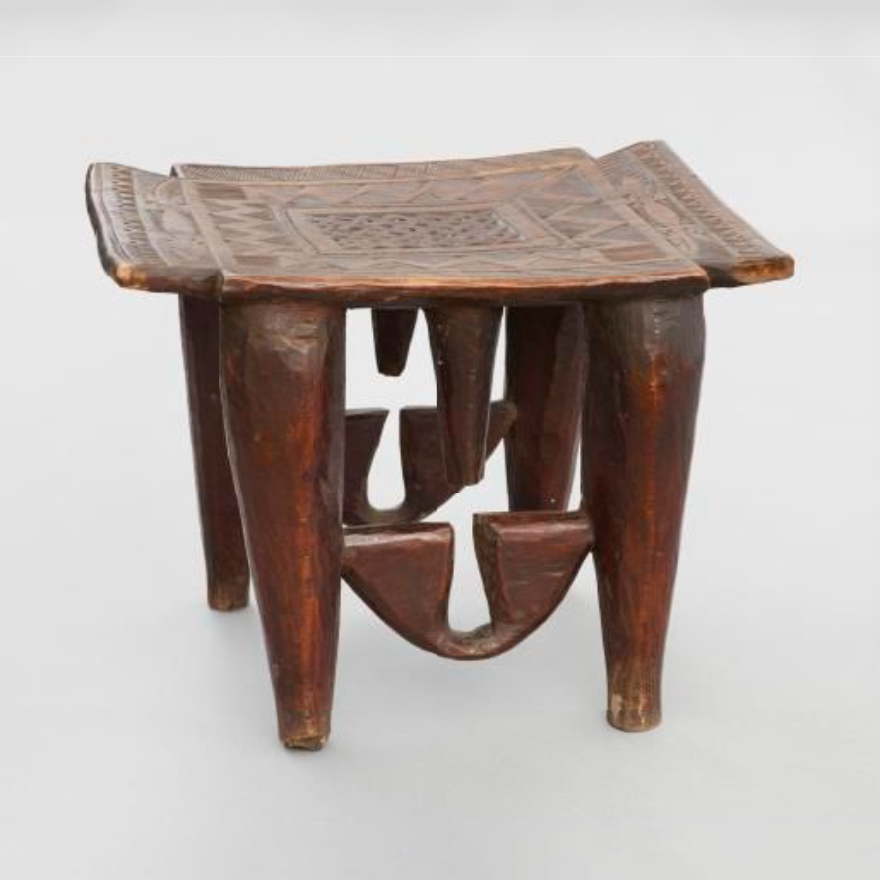
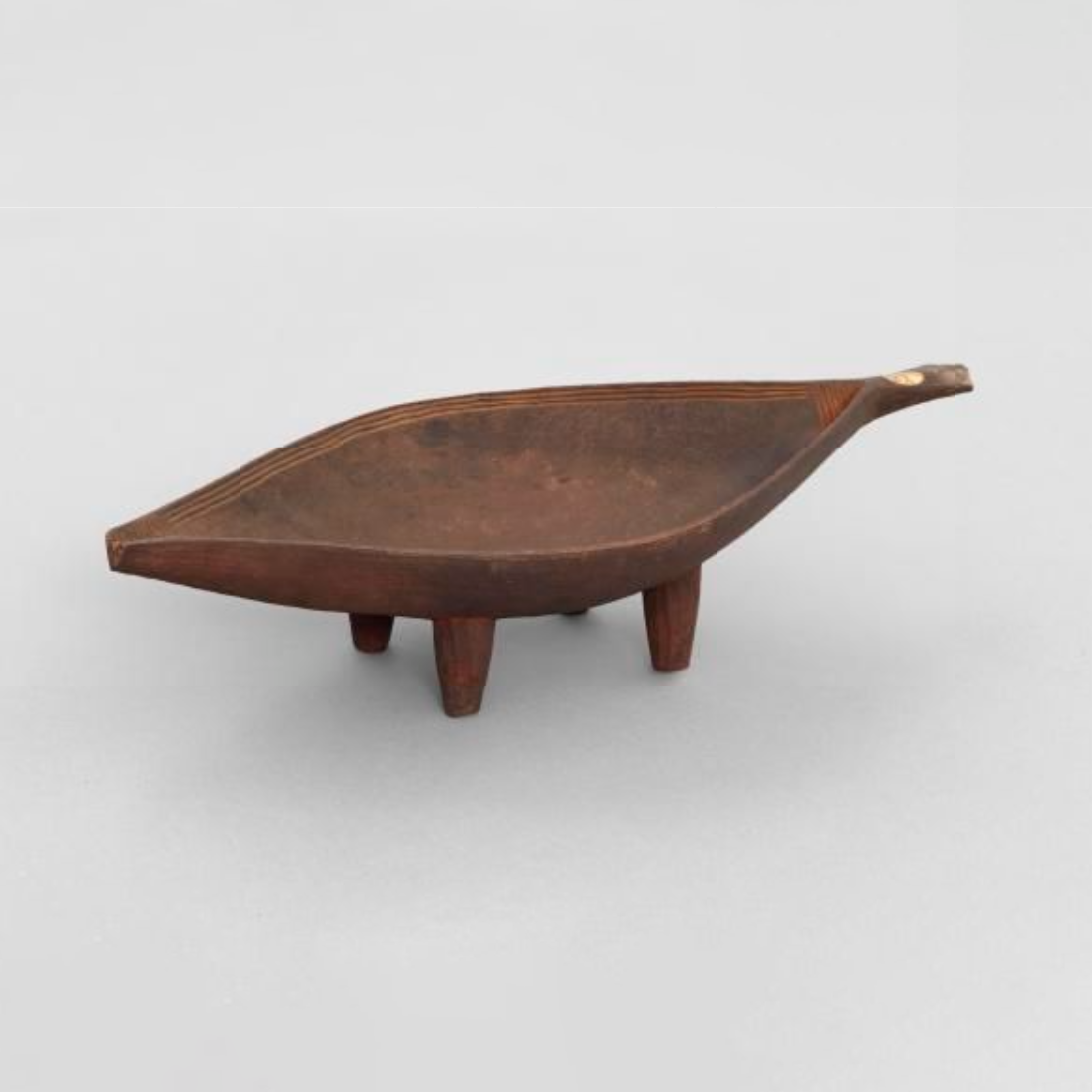
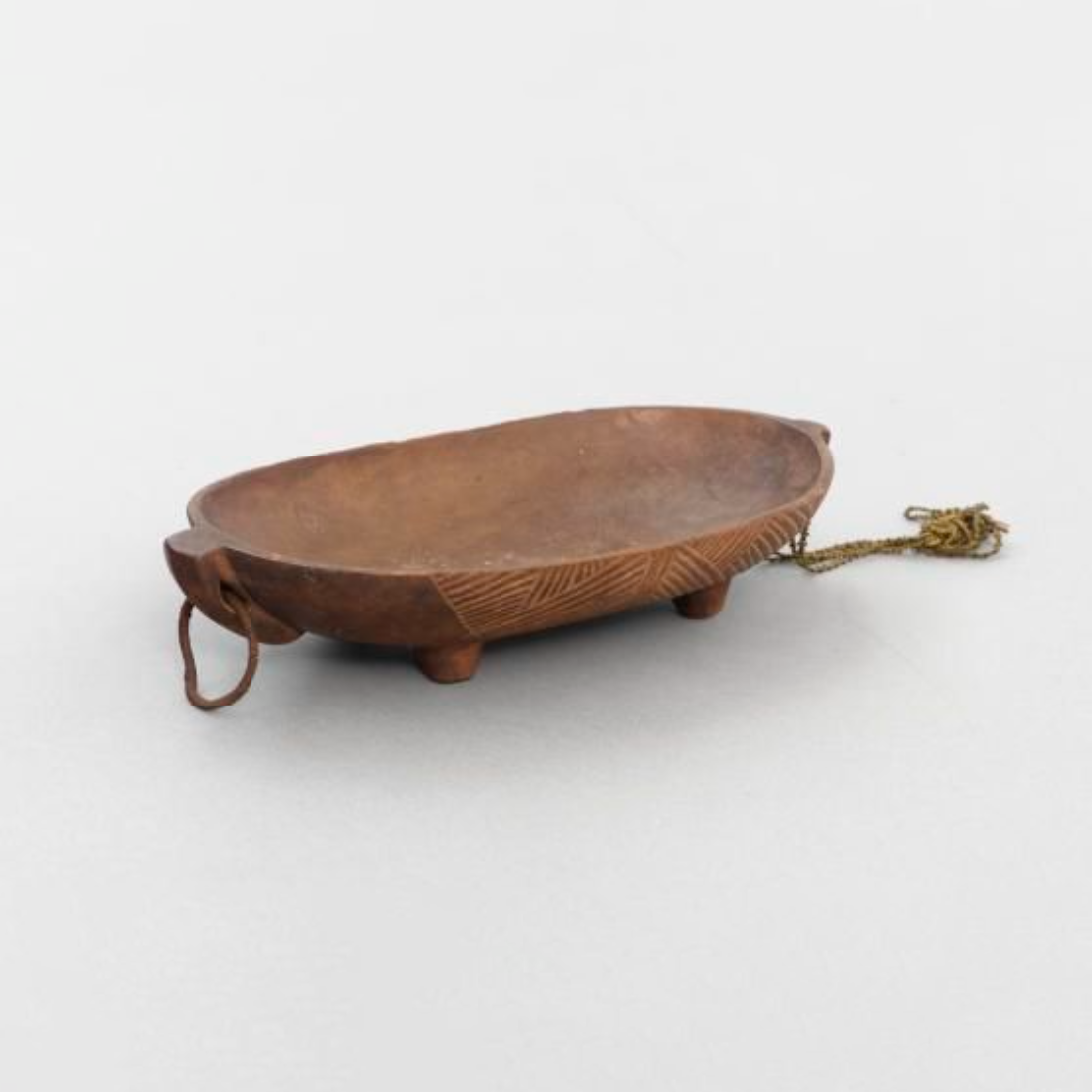
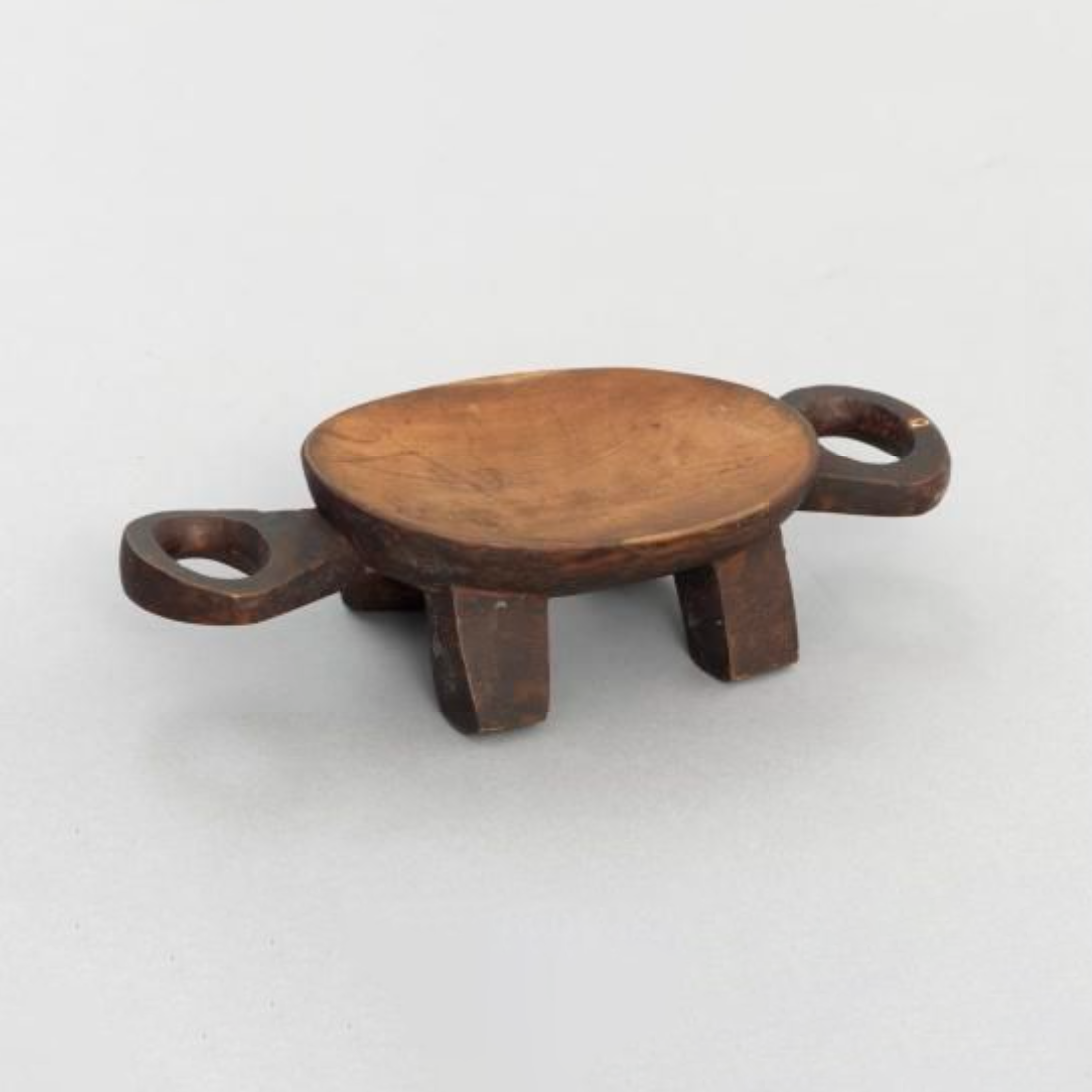
These objects are no longer on display but, if you recognise any of them, we would still love for you to share your stories.
-
![A musical instrument from Africa on a white background.]()
Musical instrument
A type of harp with a wooden frame. Has a sounding box made from wood and leather, but the strings are missing.
-
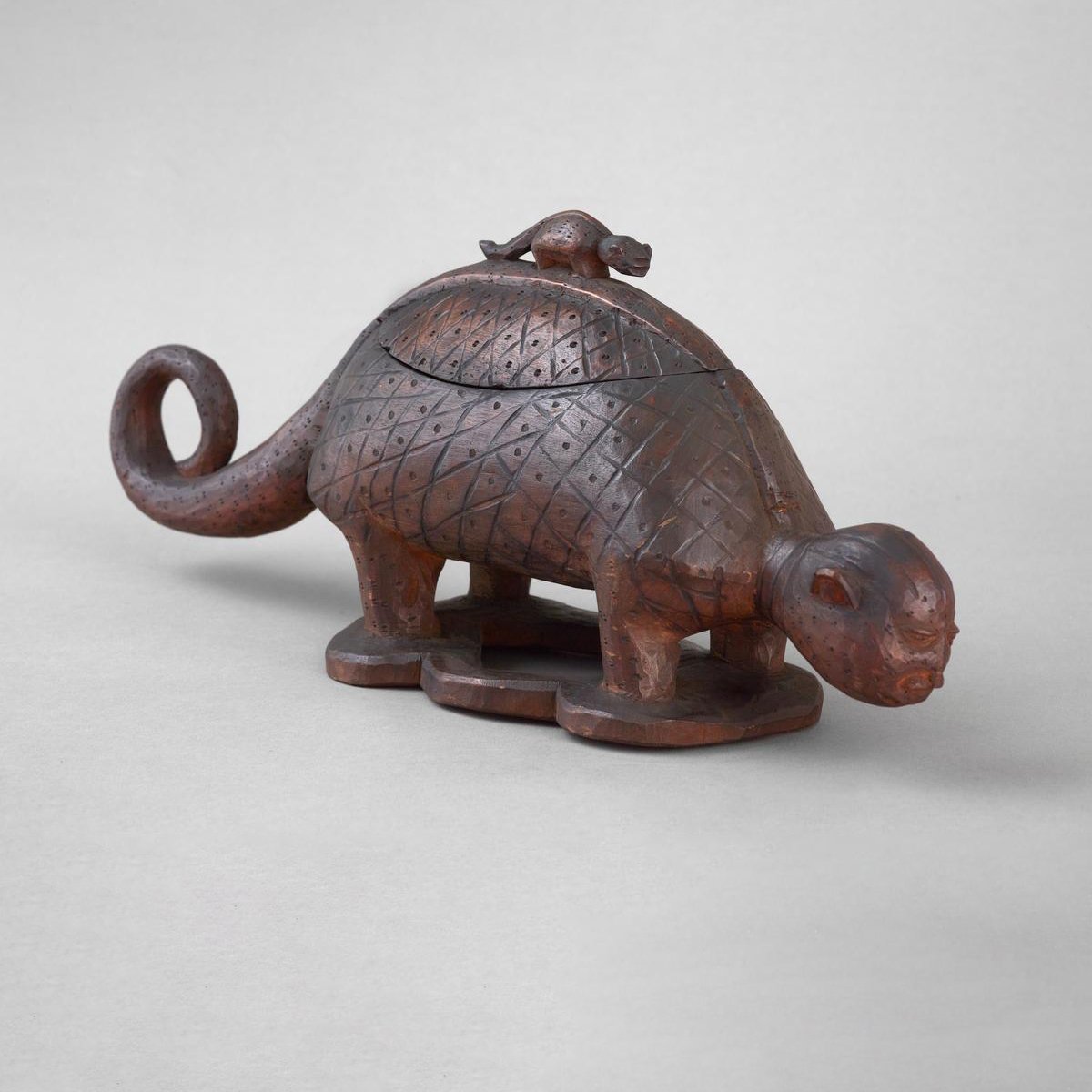
![Carved wooden animal vessel from Africa.]()
Carved wooden animal vessel
Cut from a single piece of wood, it shows an animal with a small animal of the same sort on its back.
-
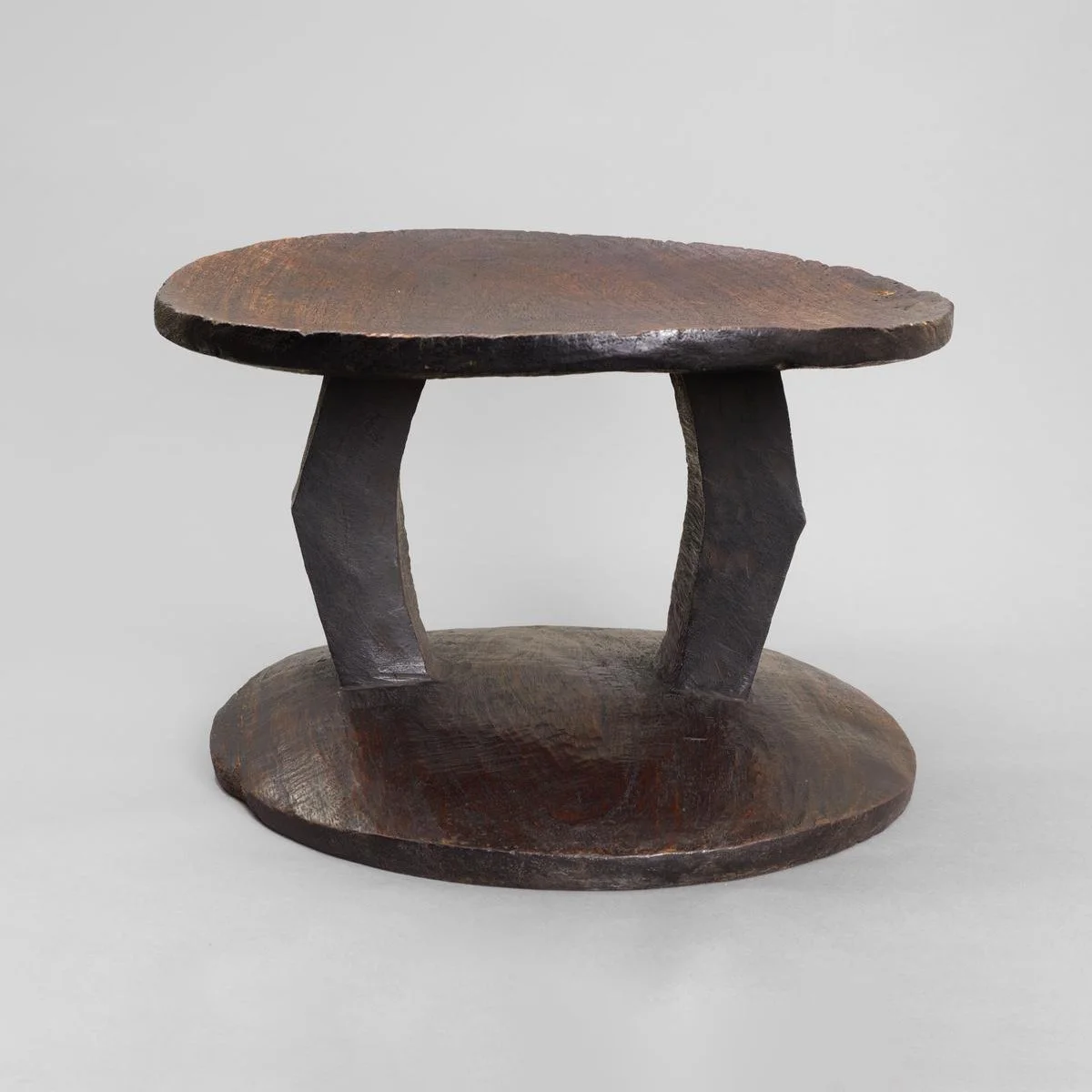
![Stool with a top that is circular and dished, supported on two bent slightly angled square pillars. The base is round with a convex upper surface.]()
Wooden stool
Cut from a single piece of hard wood, this stool belonged to the chief.
-
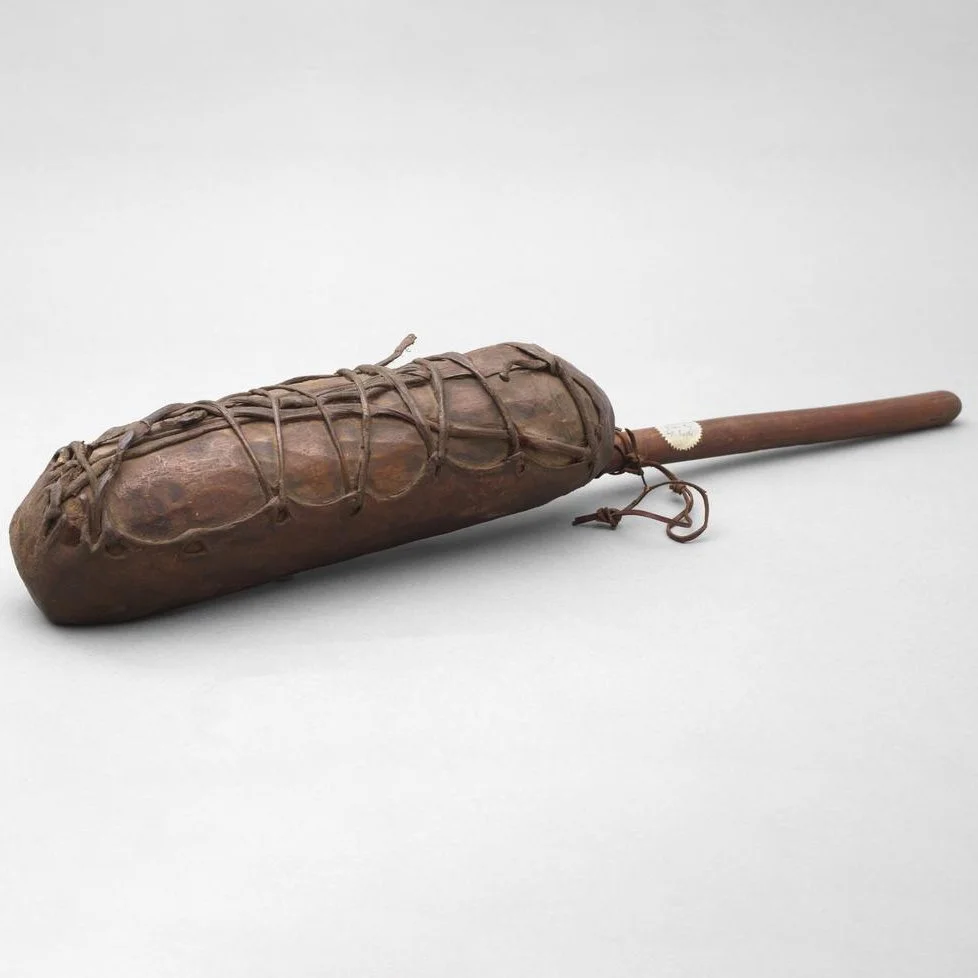
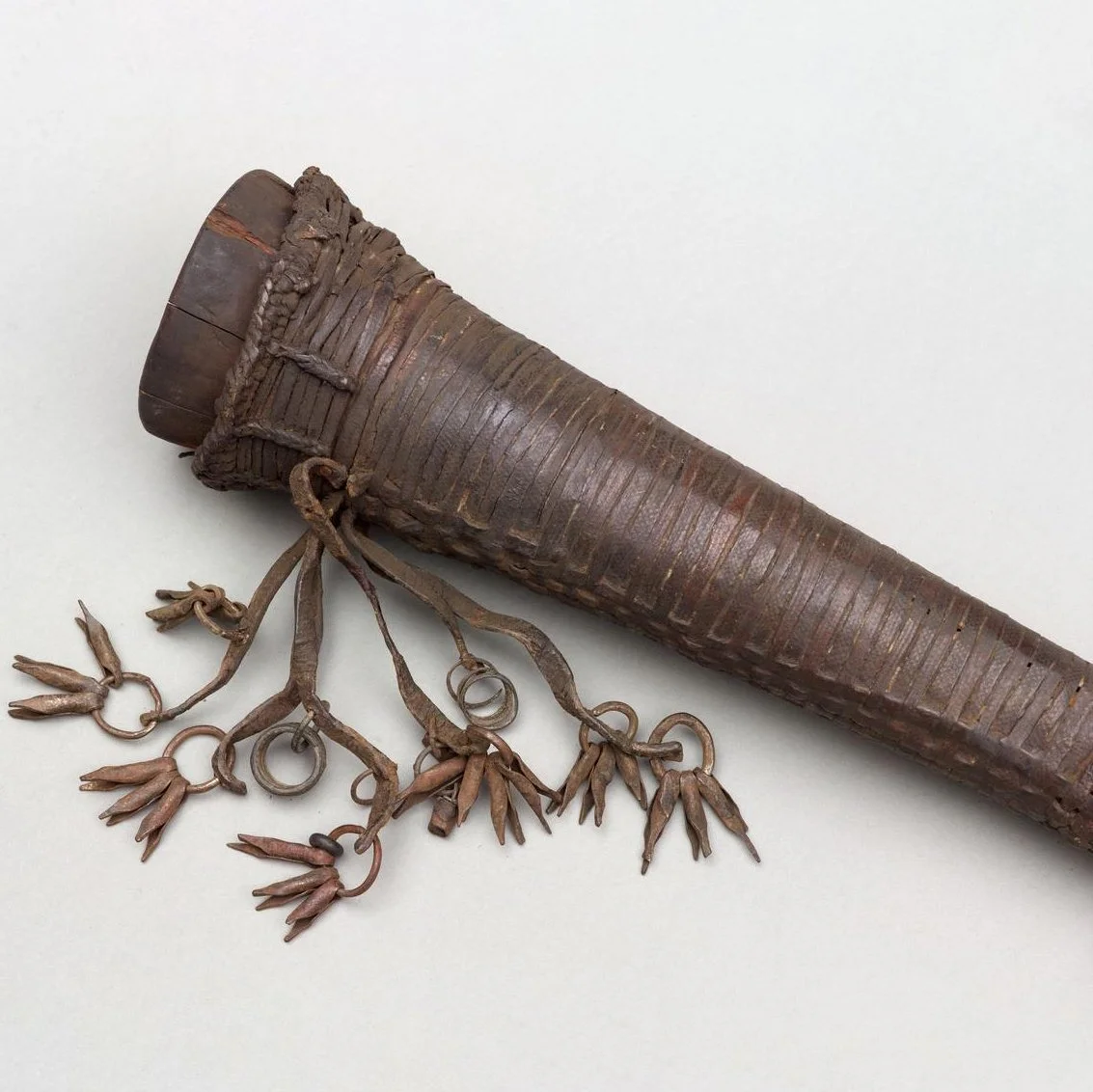
![A horn consisting of a wooden tube wrapped in leather strips. There are a bunch of iron rattles at the wider end.]()
Horn
A horn consisting of a wooden tube wrapped in leather strips. There are a bunch of iron rattles at the wider end.
-
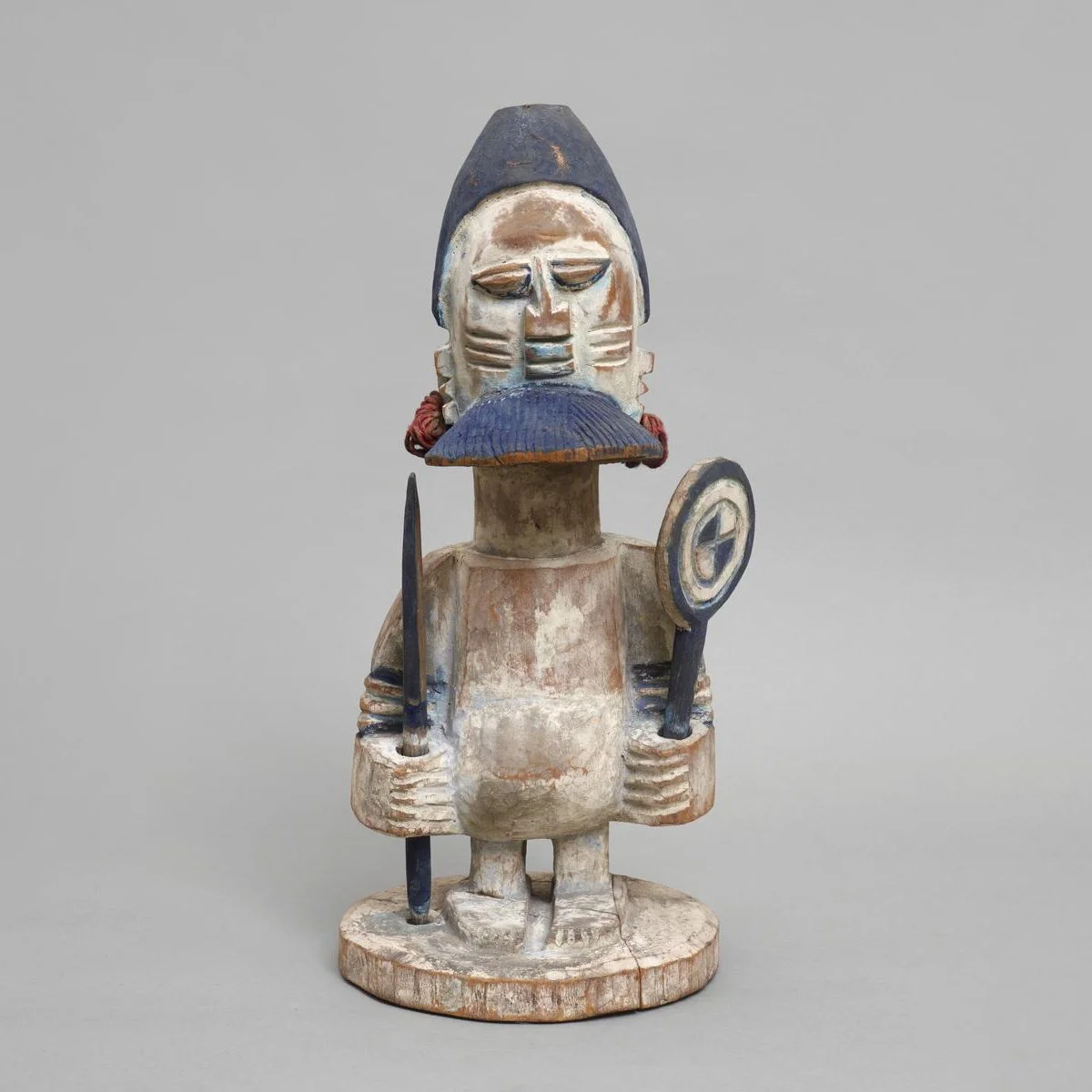
![Carved wooden figure. A standing male figure holding a spear in his right hand and fan in his left.]()
Figure sculpture
Carved wooden figure. A standing male figure holding a spear in his right hand and fan in his left.
-
![Hat that is conical in shape, with 'warp' ends gathered into a knob on top and wrapped with twisted leaves.]()
Hat
Conical in shape, with 'warp' ends gathered into a knob on top and wrapped with twisted leaves.
-
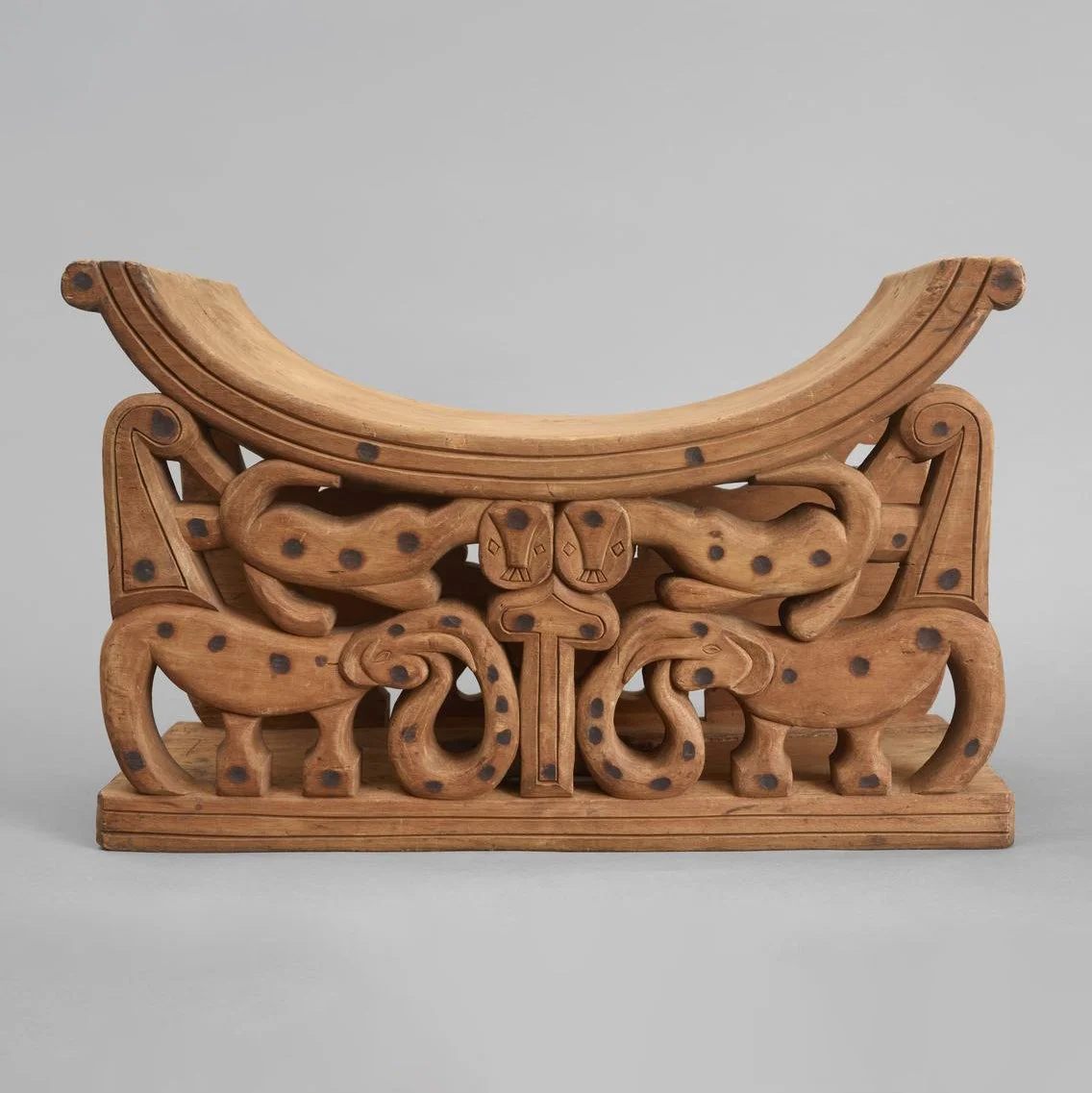
![Carved wooden stool, with dished seat supported by leopards standing on the backs of elephants.]()
Stool
Carved wooden stool, with dished seat supported by leopards standing on the backs of elephants.
-
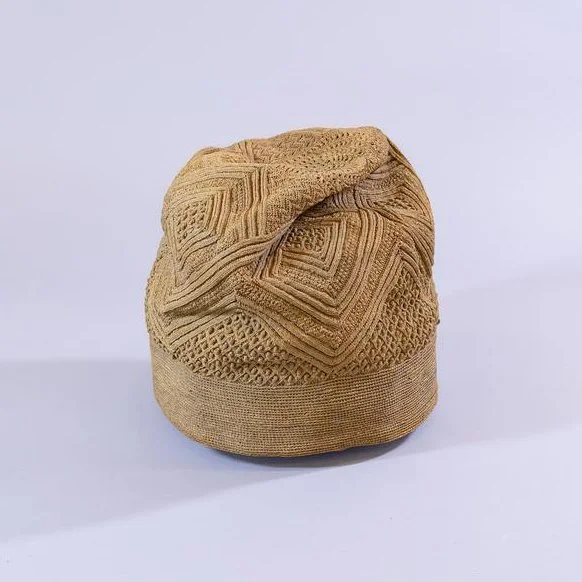
![A traditional African hat crocheted from fine fibre, mustard in colour.]()
Hat
A hat crocheted from fine fibre mustard yellow in colour. It is decorated with interlocking lozenges around the side.
-
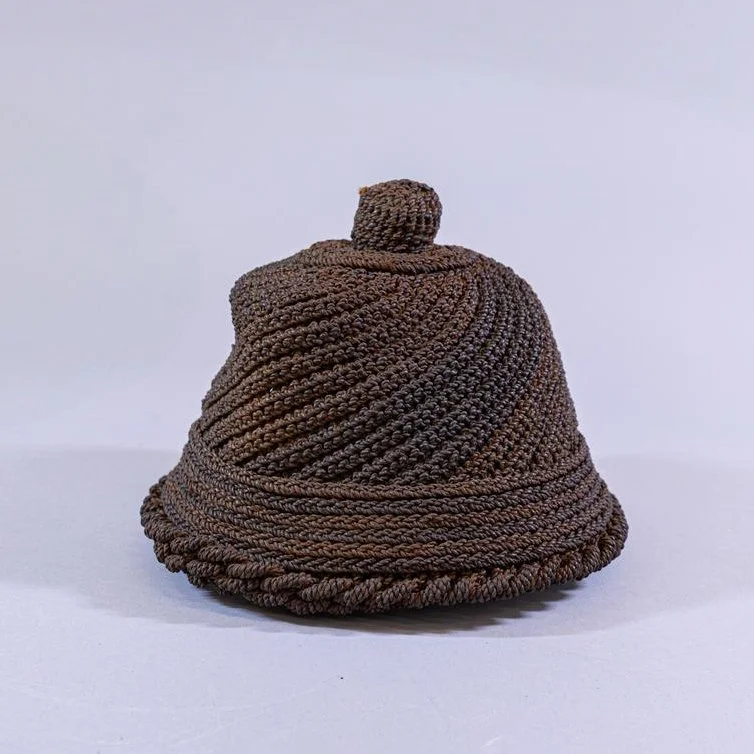
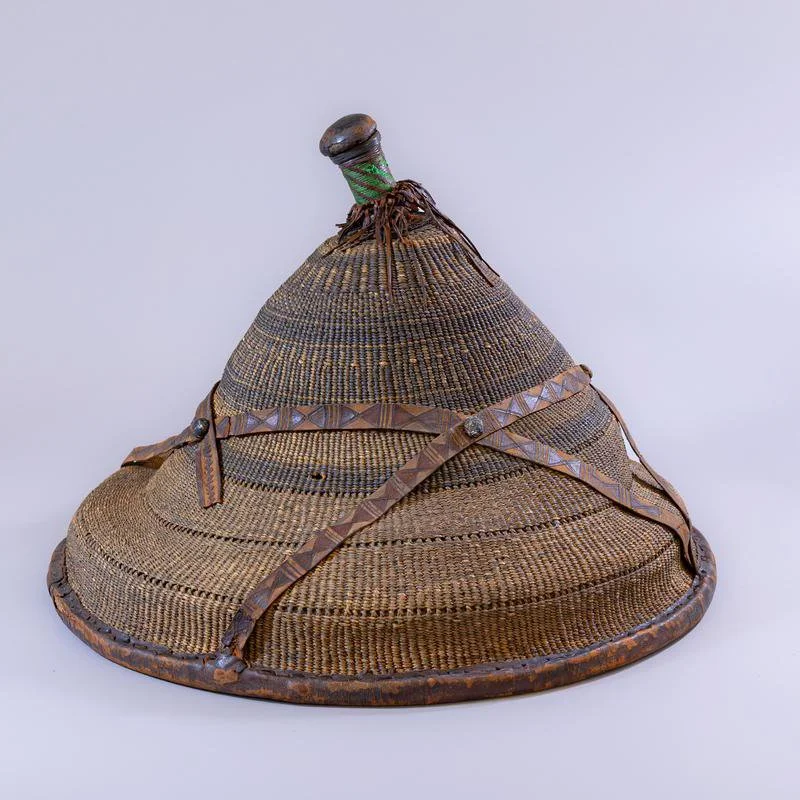
![A traditional African hat knitted from a harsh, dark brown fibre.]()
Hat
A hat knitted from a harsh, dark brown fibre. It has a knob at the top and a thick brim.
-
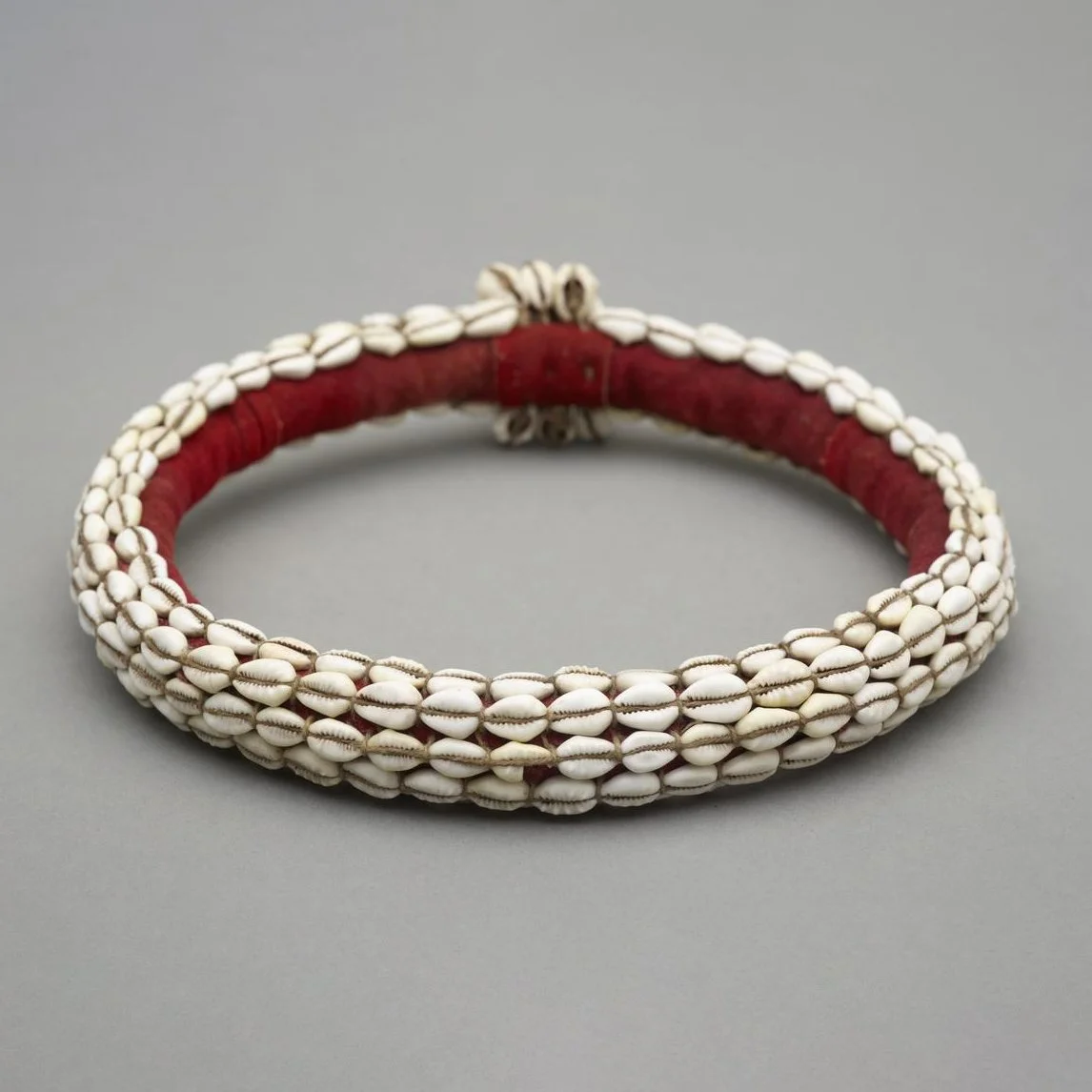
![African head ring made from cowrie shells sewn onto a ring covered in red textile.]()
Head ring
Head ring made from cowrie shells sewn onto a ring covered in red textile.
-
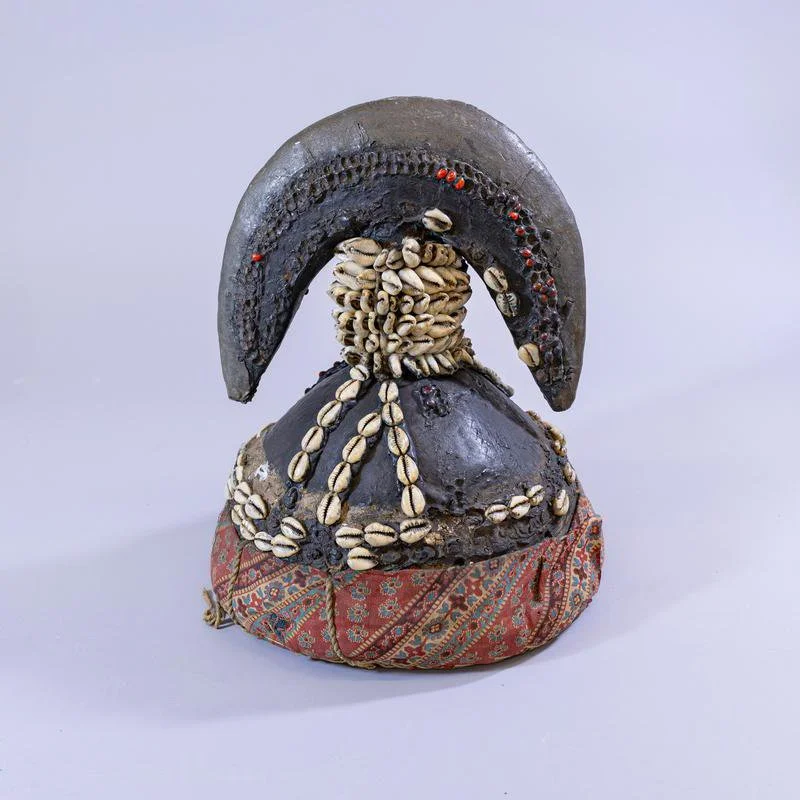
![A head-dress featuring a central pillar covered with cowries which supports a horseshoe or crescent.]()
Head-dress
A head-dress featuring a central pillar covered with cowries which supports a horseshoe or crescent.
-
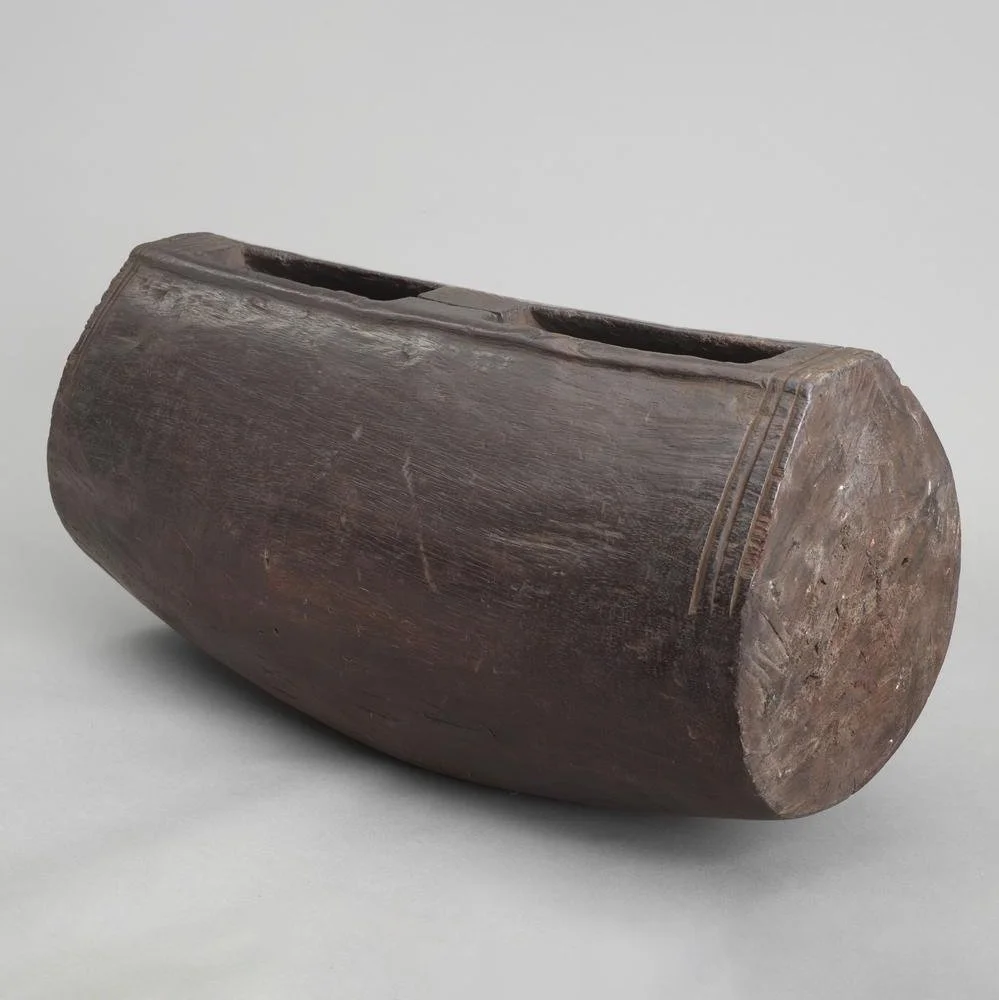
![A large slit gong cut from a single block of heavy, hard wood, probably a section of tree trunk. It is barrel shaped and the interior is hollowed out and there is a slit left in one side with a short handle left in the centre.]()
Gong
A large slit gong cut from a single block of heavy, hard wood, probably a section of tree trunk.
-
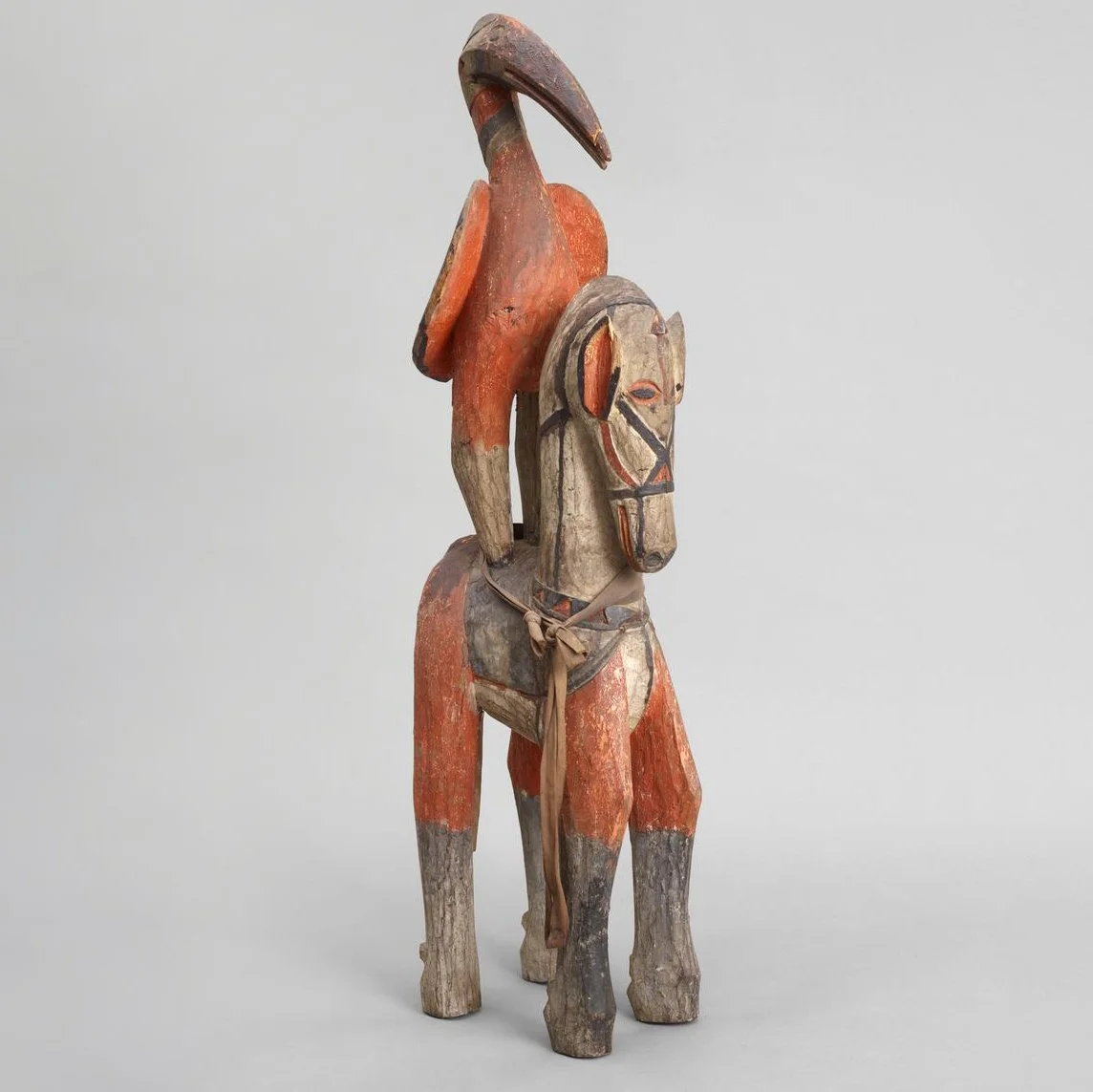
![A wooden carving of a long-legged horse with an ibis mounted on it's back. The horse is painted black, orange and white, with it's harness picked out in black. The ibis is painted in the same colours.]()
Figure carving
A wooden carving of a long-legged horse with an ibis mounted on it's back.
-
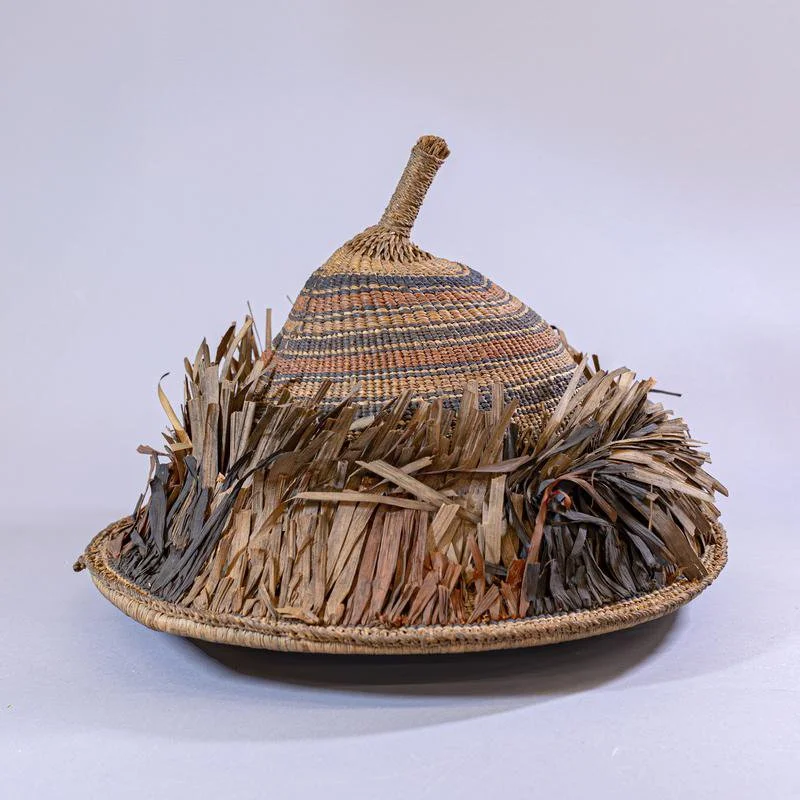
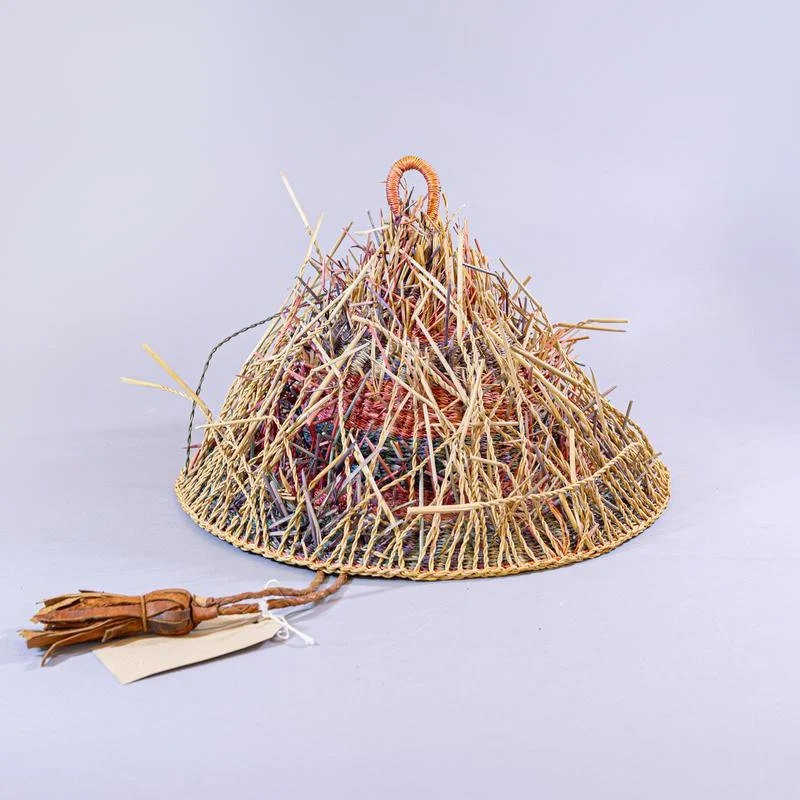
![Hat made of alternating bands of dyed straw with projecting natural straw.]()
Hat
Hat made of alternating bands of dyed straw with projecting natural straw.
-
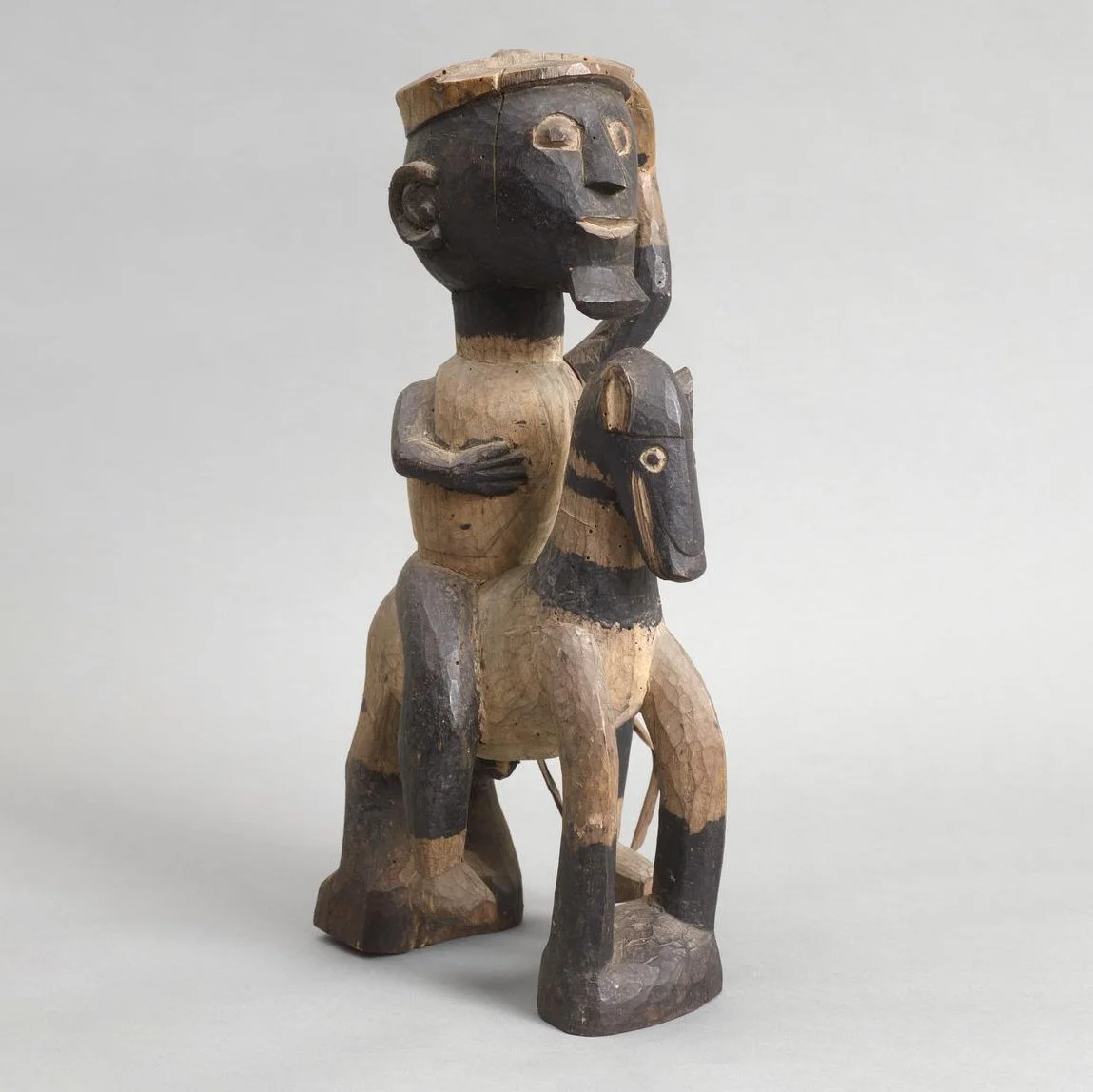
![A carved wooden figure of a man on a horse.]()
Figure carving
A carved wooden figure of a man sitting on the back of a horse.
-
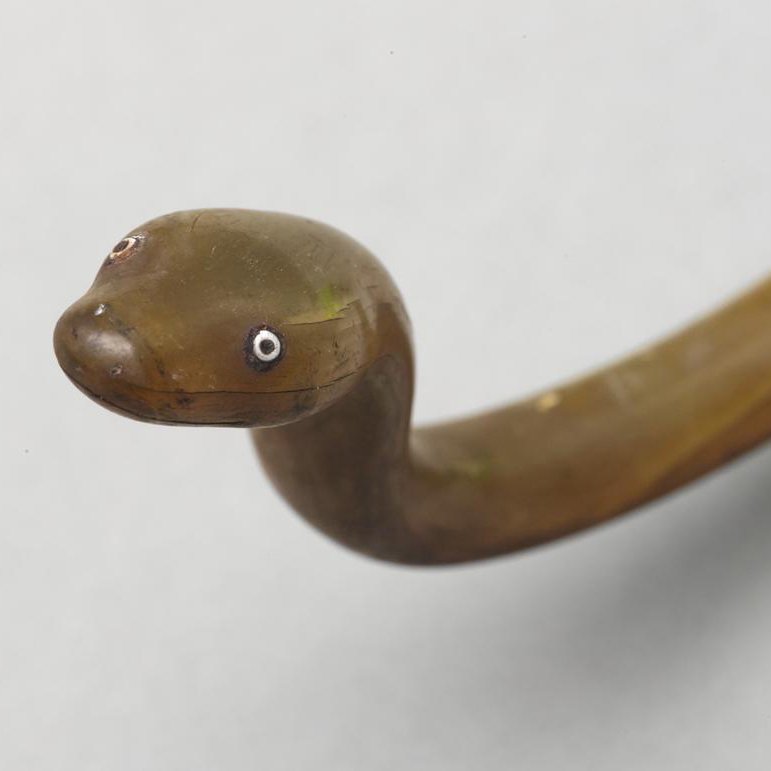
![Snake wand of bent horn, made in two parts.]()
Wand
Snake wand of bent horn, made in two parts.
-
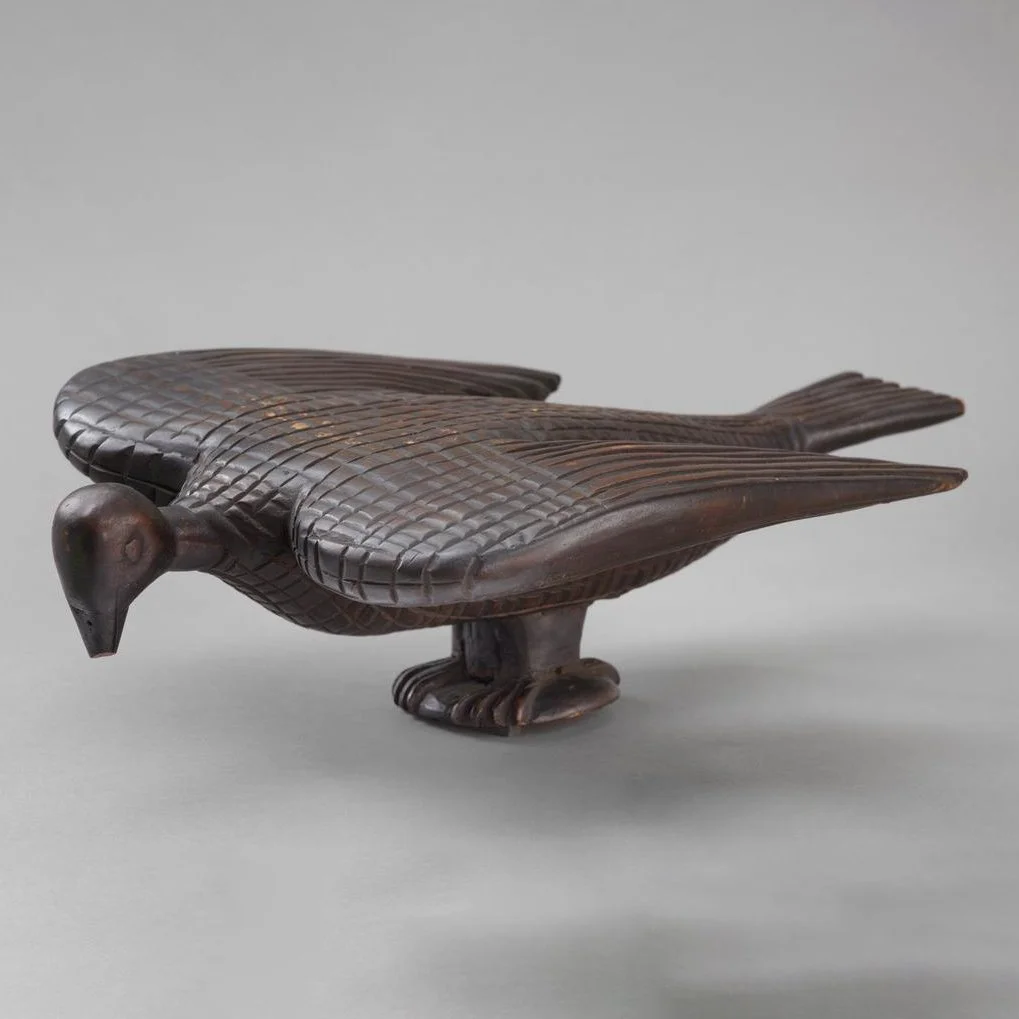
![A wooden carving in the form of a pigeon with its wings half open. The object is carved from pale light wood and varnished brown.]()
Carving figure
A wooden carving in the form of a pigeon with its wings half open.
-
![Hat made from woven grass or leaf strips and strengthened with circles of cane.]()
Hat
Hat made from woven grass or leaf strips and strengthened with circles of cane.
-
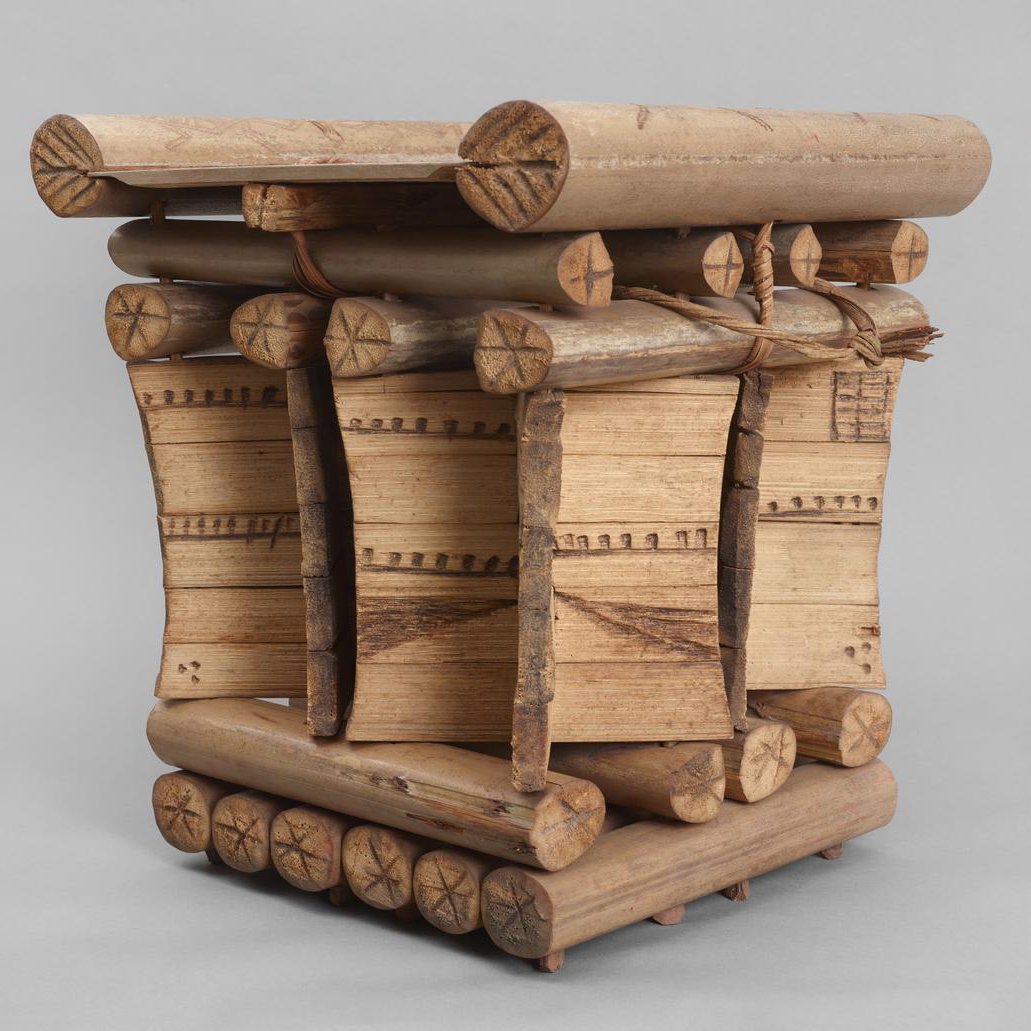
![Stool made of sections of bamboo set horizontally and interlacing to form the support.]()
Stool
Made of sections of bamboo set horizontally and interlacing to form the support.
-
![Musical instrument with a sound box constructed of flat pieces of wood nailed together with a leather membrane. The 'neck' is a slightly curved stick of hard wood.]()
Musical instrument
A 'fiddle' type of instrument made out of wood and leather.
-
![Musical instrument from Africa, featuring a body and long neck with two strings.]()
Musical instrument
Musical instrument from Africa, featuring a body and long neck with two strings.
-
![Rectangular wood stool with a dished top. The centre is hollowed out leaving a flat base in 2 pieces, and a pierced openwork front and back in an openwork design. The ends are supported by the heads and tails of birds.]()
Stool
Rectangular stool with a dished top, cut from a single block of soft yellow wood.
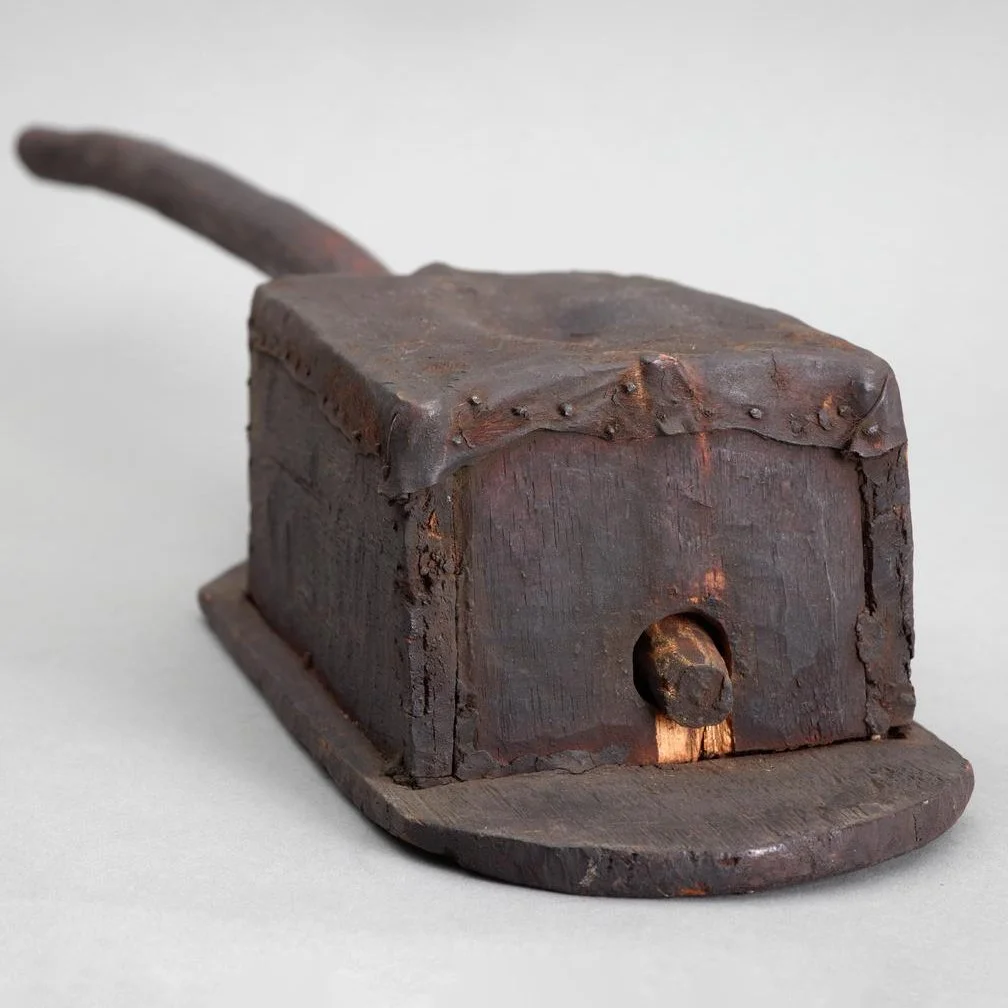
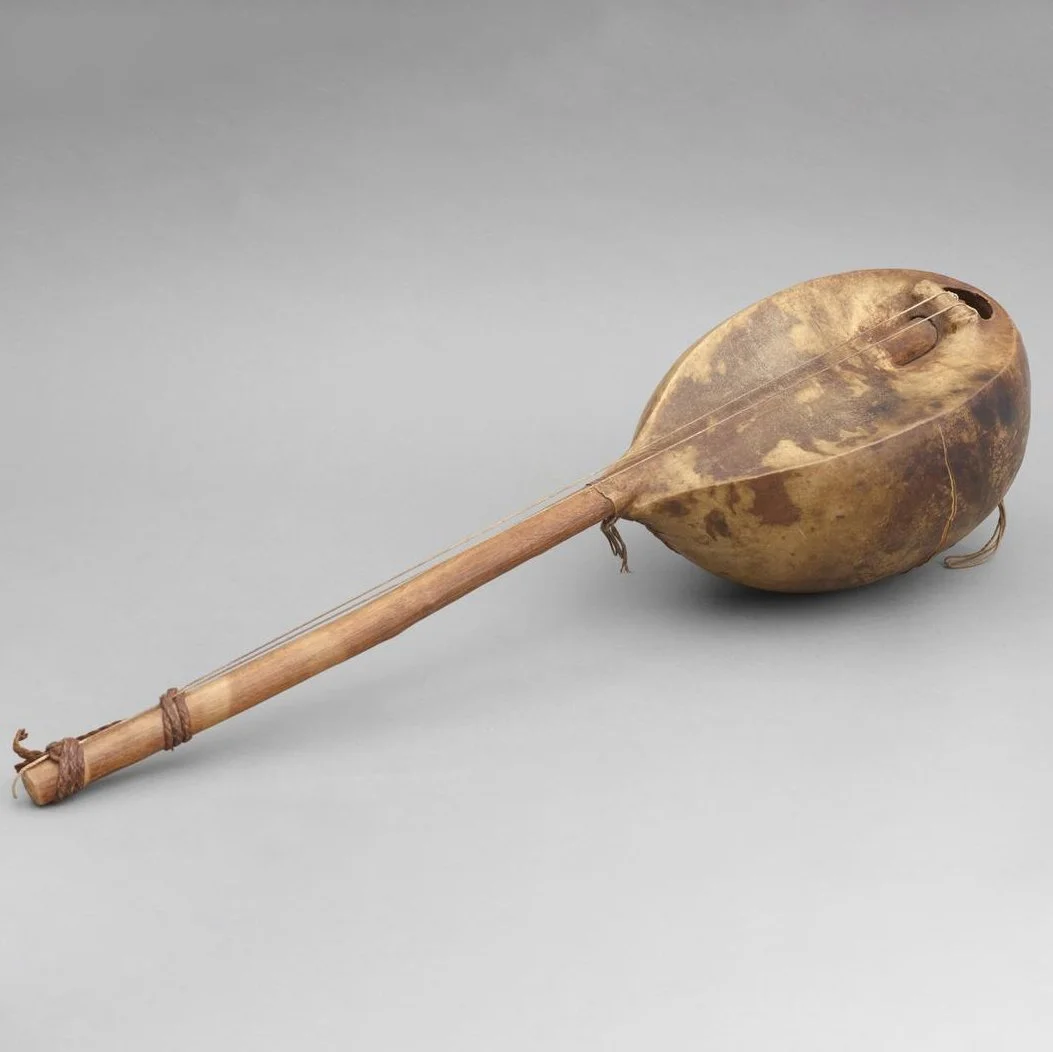
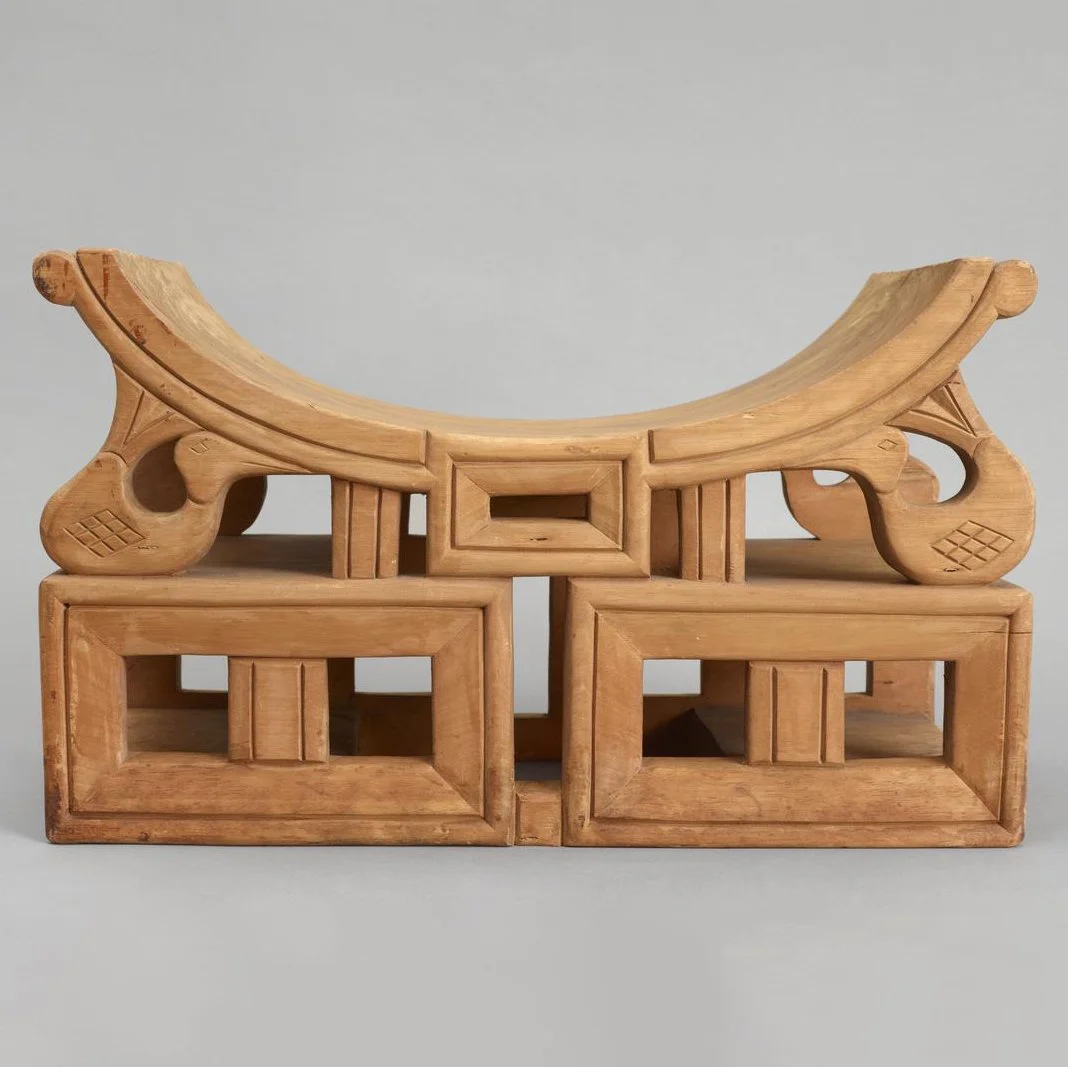
Reconnecting Igbo knowledge
Igbo Community Greater Manchester (ICM) is a community organisation made up of people of Igbo heritage living in and around Manchester.
The Igbo are one of the largest ethnic groups in Africa, originally from an area in south-eastern Nigeria. With a significant global diaspora, Igbo cultural knowledge continues to be carried, practised and adapted.
In 2025, ICM partnered with Manchester Museum on a collaborative research project focused on collections of Igbo origin. The project also studied items recorded as coming from Africa that are used by, and may have come from, the Igbo community.
Through this project, members of the ICM Research Group have shared the traditional names of items, explained how they were used, and described why they are culturally significant.
Below are a few examples from this ongoing collaborative work.
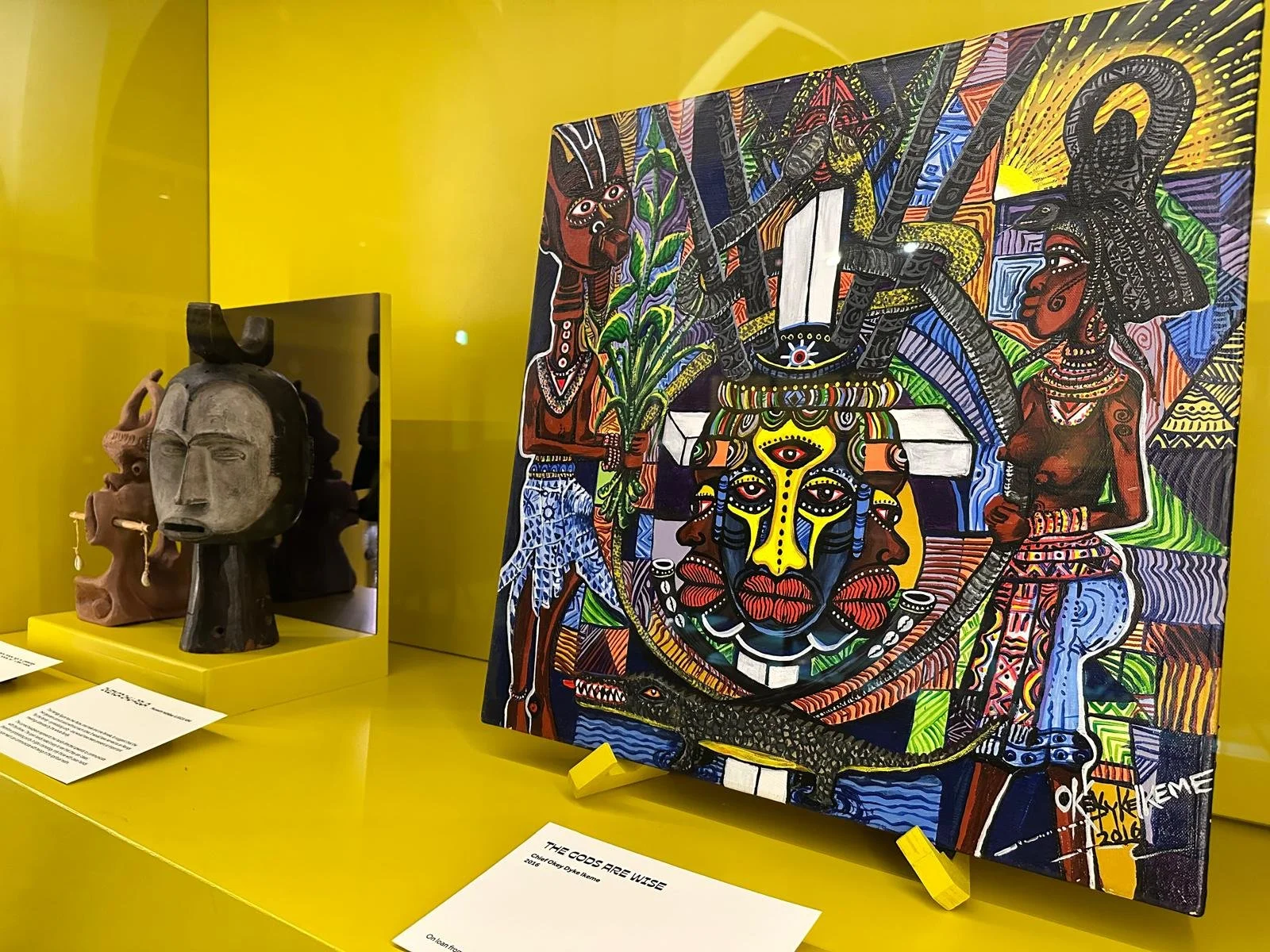
THE GODS ARE WISE, A PAINTING BY CHIEF OKEY DYKE IKEME ON DISPLAY IN AFRICA HUB.
Ikenga Ihu-abua (Ìkéngà Íhú-àbùá)
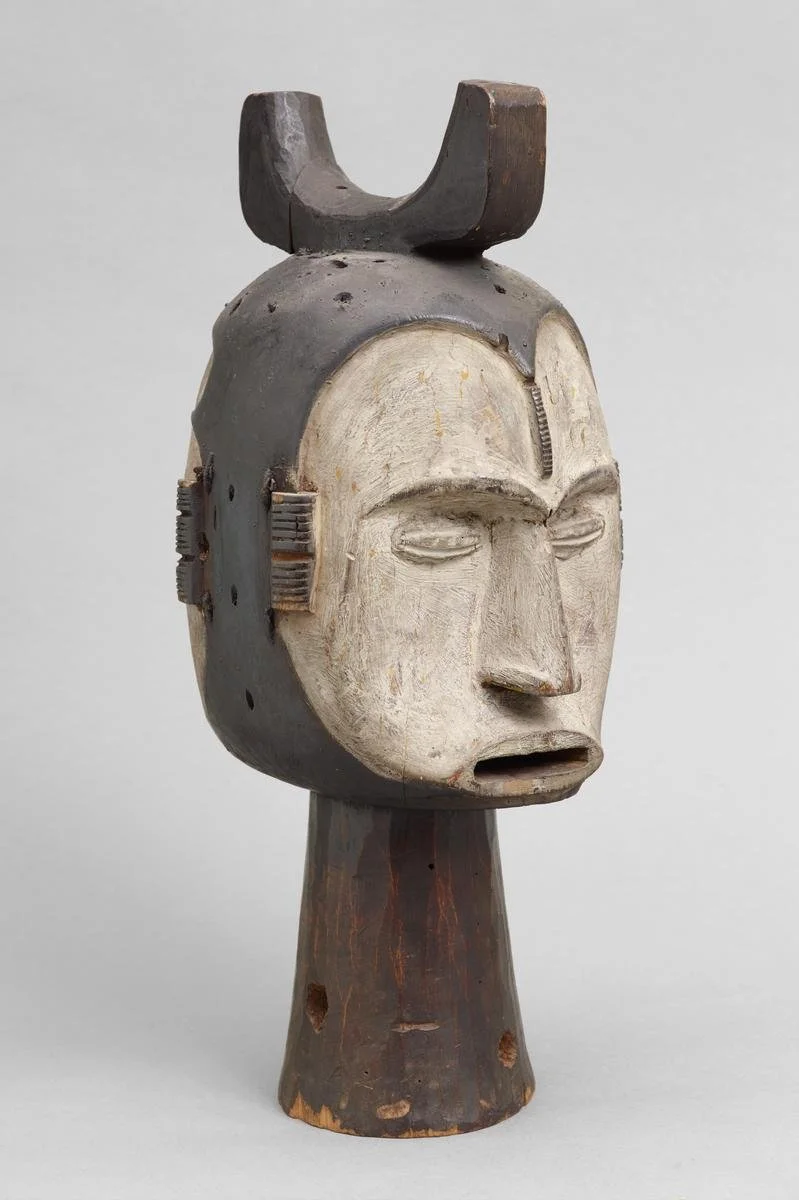
In Igbo tradition, every person receives an Ikenga – an item that embodies the vitality and success of its owner.
Ikenga figures continue to be used in spiritual practice today, acting as guides to connect their owners with the spiritual realm. They are often present when important decisions are made, and during special events and ceremonies.
Ikenga are also kept in the home as an expression of Igbo identity and culture. Ikenga belonging to family members are kept in a mahogany box. There is also an Ikenga on display in the Obi, the central building in a traditional Igbo compound. The Obi is place of authority, hospitality and decision-making.
This Ikenga has two faces, one male and one female, suggesting balance and interdependence of genders. Symbolising unity, it would have been the Ikenga for the family and would have been present at important meetings. The curved headpiece represents hands raised upwards to communicate with the divine. The open hands show that they are ‘clean’, expressing purity. In Igbo cosmology, only those with clean hands and a pure heart can communicate with beings in the spiritual realm.
Tone indication : [ì.ké.ŋà í.hú à.bù.á]
Traditional Knowledge provided by Igbo Community Greater Manchester (ICM), 2025
[0.9323/494]
Agbogho Mmuo (Àgbòghò Mmúọ)
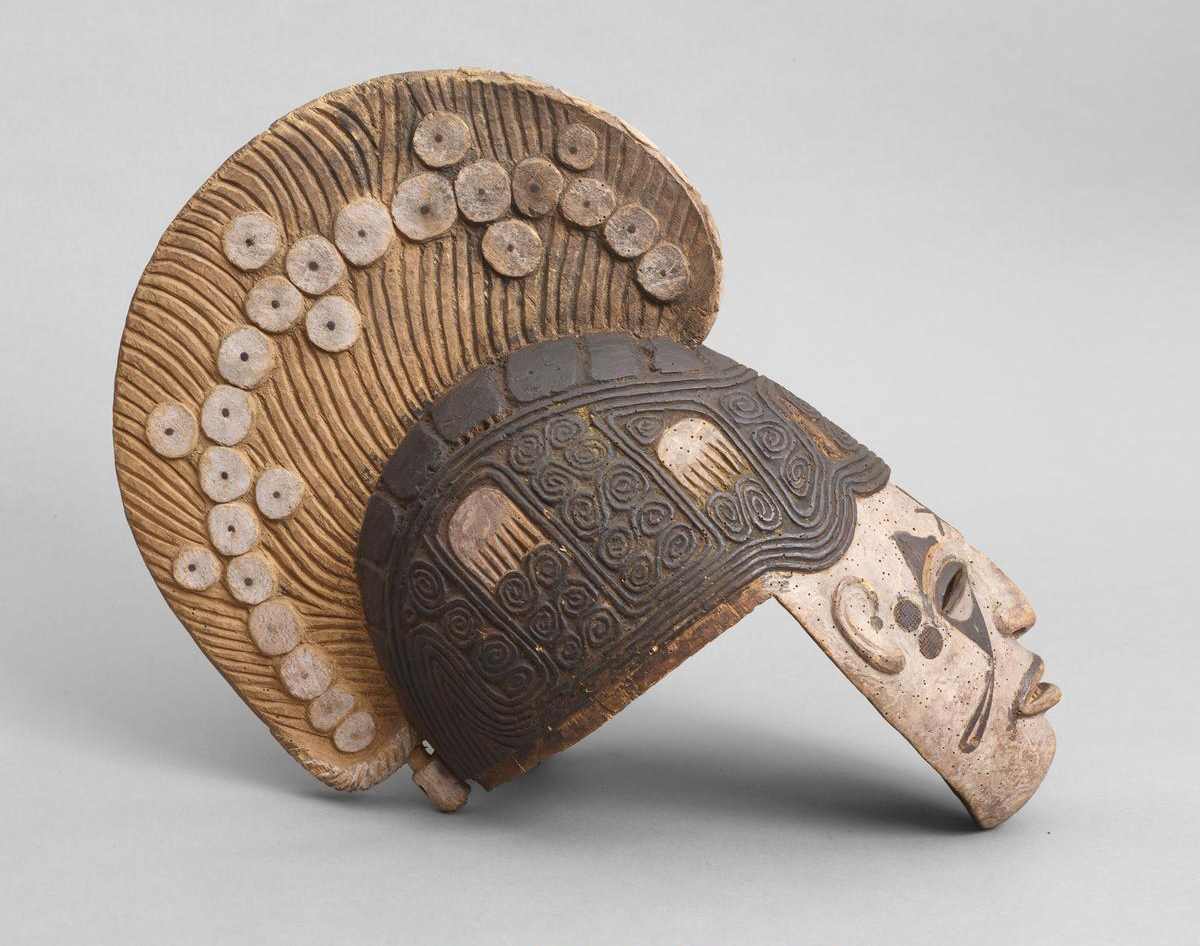
Agbogho Mmuo are worn during masquerade performances in Igbo communities.
These performances take place during festivals such as the New Yam Festival, as well as at funerals, carnivals, and other important community events.
Also known as Maiden Spirit masks, Agbogho Mmuo represent Igbo ideals of feminine beauty, presented through small, balanced features, and elaborate hairstyles. However, they are traditionally worn by men, who perform wearing colourful, tight-fitting fibre costumes. Performers entertain their audiences with dance in an exaggerated imitation of female character and mannerisms.
Tone indication : [à.ɡ͡bo.ɡʰɔ̀ mmú.ɔ̀]
Traditional Knowledge provided by Igbo Community Greater Manchester (ICM), 2025
[0.1645]
Ubo-Aka (Ùbò-Ákà)
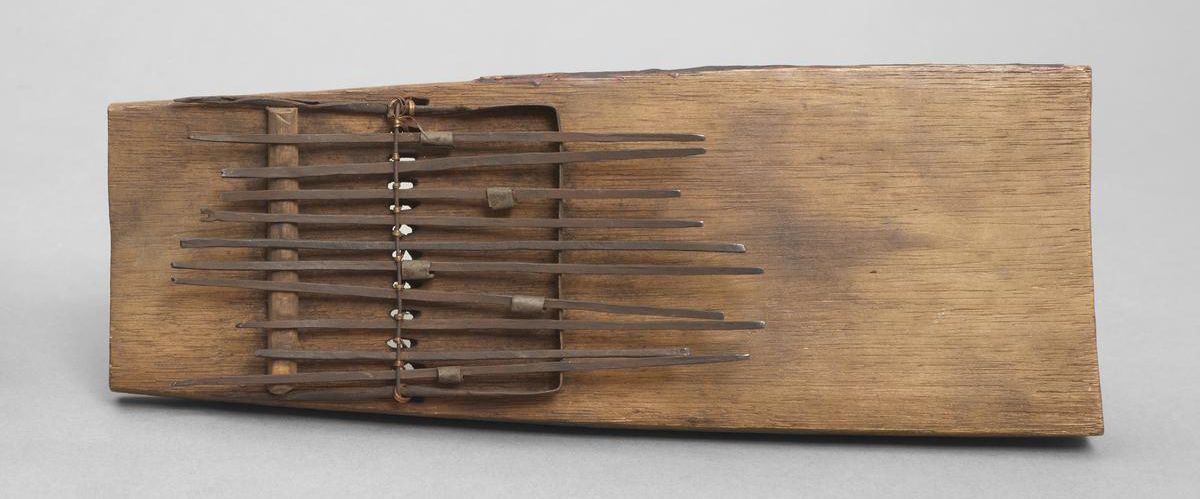
Commonly known as a sansa, this instrument is called Ubo-Aka in the Igbo language.
In Igboland (the traditional home of the Igbo community in south-eastern Nigeria), instruments like this were made with wood from a tree known as okosisi (also known as Iroko). Talented musicians still use them for entertainment, music-making and storytelling.
Tone indication: [ù.bò á.kà]
Traditional Knowledge provided by Igbo Community Greater Manchester (ICM), 2025
[T.266]
Ngelenge (ńgé-lè-ngé)
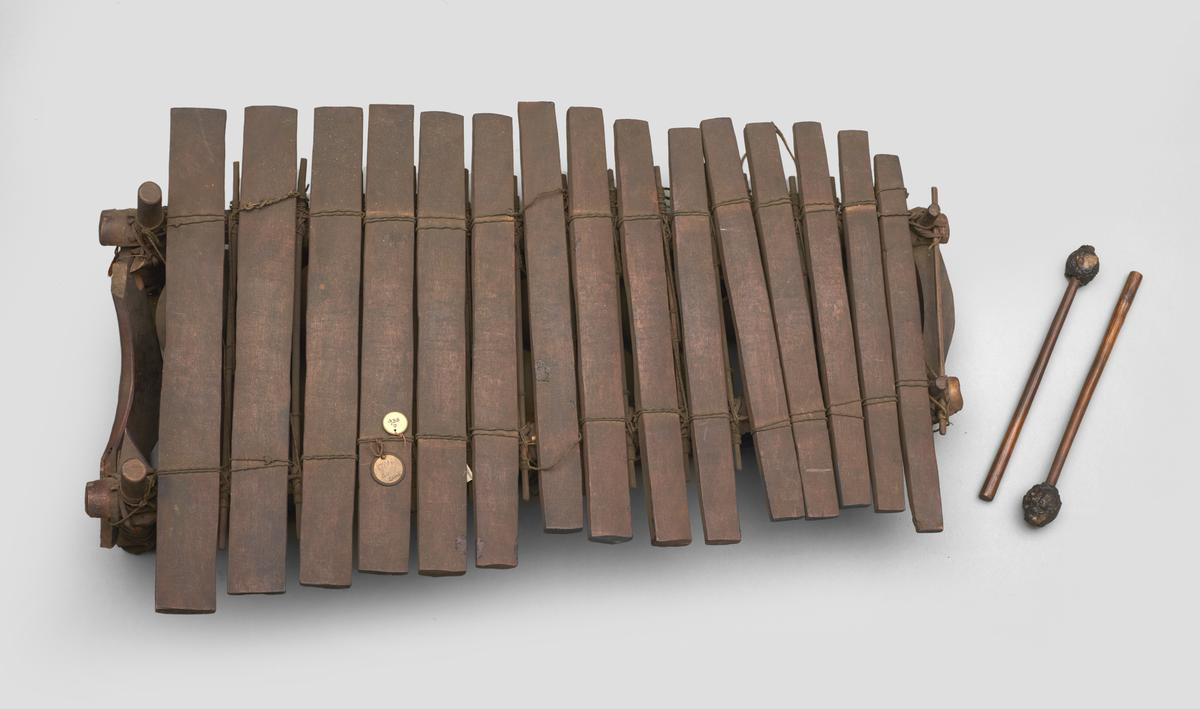
In the Igbo language, xylophones are known as Ngelenge.
Instruments like this are used in countries across Africa, each shaped by local materials and musical traditions.
This Ngelenge was made by a craftsperson in West Africa using wood and calabash (the bottle gourd plant). Different types of wood were selected to produce different tones.
Tone indication [ŋ́ɛ́.lɛ̀.ŋɛ́]
Traditional Knowledge provided by Igbo Community Greater Manchester (ICM), 2025
[0.886/1]