
Archaeology
COLLECTION
CURATOR: CHRIS GRIFFITHS
The Archaeology gallery asks important questions about who narrates the past with interventions addressing pressing societal challenges.
In the nineteenth and twentieth centuries, many archaeologists, collectors and curators were white, wealthy, educated men and many of the objects in the museum’s collections reflect the interests of this narrow and exclusive group. However, with an increase in the diversity of people involved and the availability of technologies to draw out different stories, the nature of archaeology is changing.
The Archaeology Gallery asks important questions about who narrates the past with interventions addressing pressing societal challenges.
For example, you will hear the voices of young people who have experienced forced migration – perspectives that interrupt and challenge traditional presentations of ancient cultures, such as Roman Britain and ancient Assyria (present-day Iraq).
AN INTRODUCTION TO THE ARCHAEOLOGY COLLECTIONS, WITH CHRIS GRIFFITHS, CURATOR OF ARCHAEOLOGY.
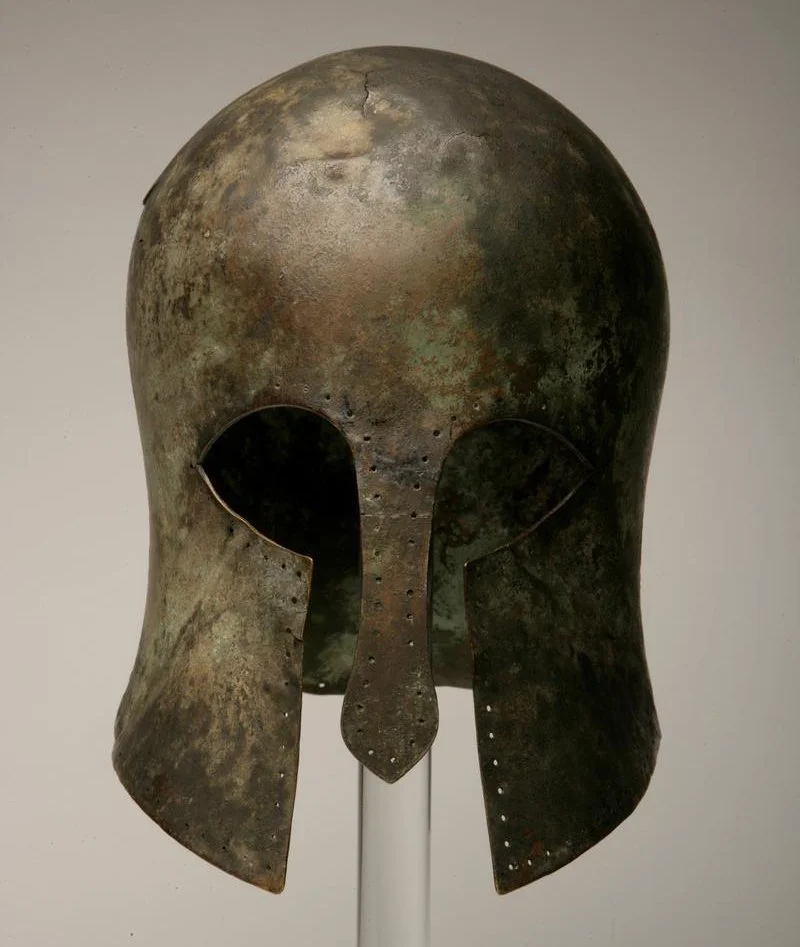
We are learning more about archaeology all the time thanks to technological developments that can reveal stories previously unknown. For example, XRF and SR-XRD scans of an ancient Corinthian helmet showed that the nose guard and cheek pieces had been deliberately damaged. It would have been worn by an ancient Greek soldier known as a hoplite and was likely to have been a battlefield trophy that was dedicated in a temple as an offering. We are not sure where it was found but many damaged helmets like this one have been found at the ancient sanctuary of Olympia.
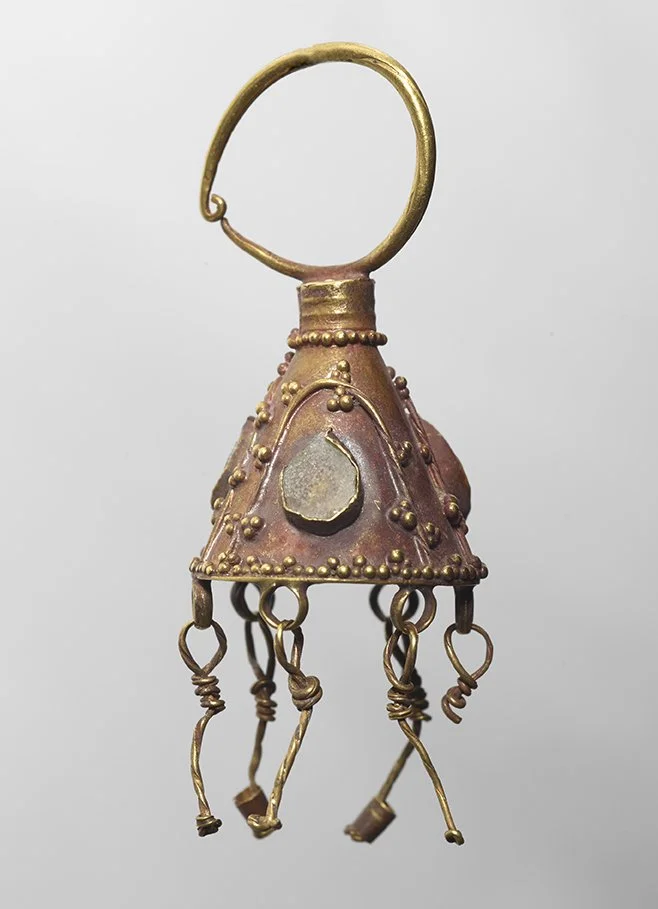
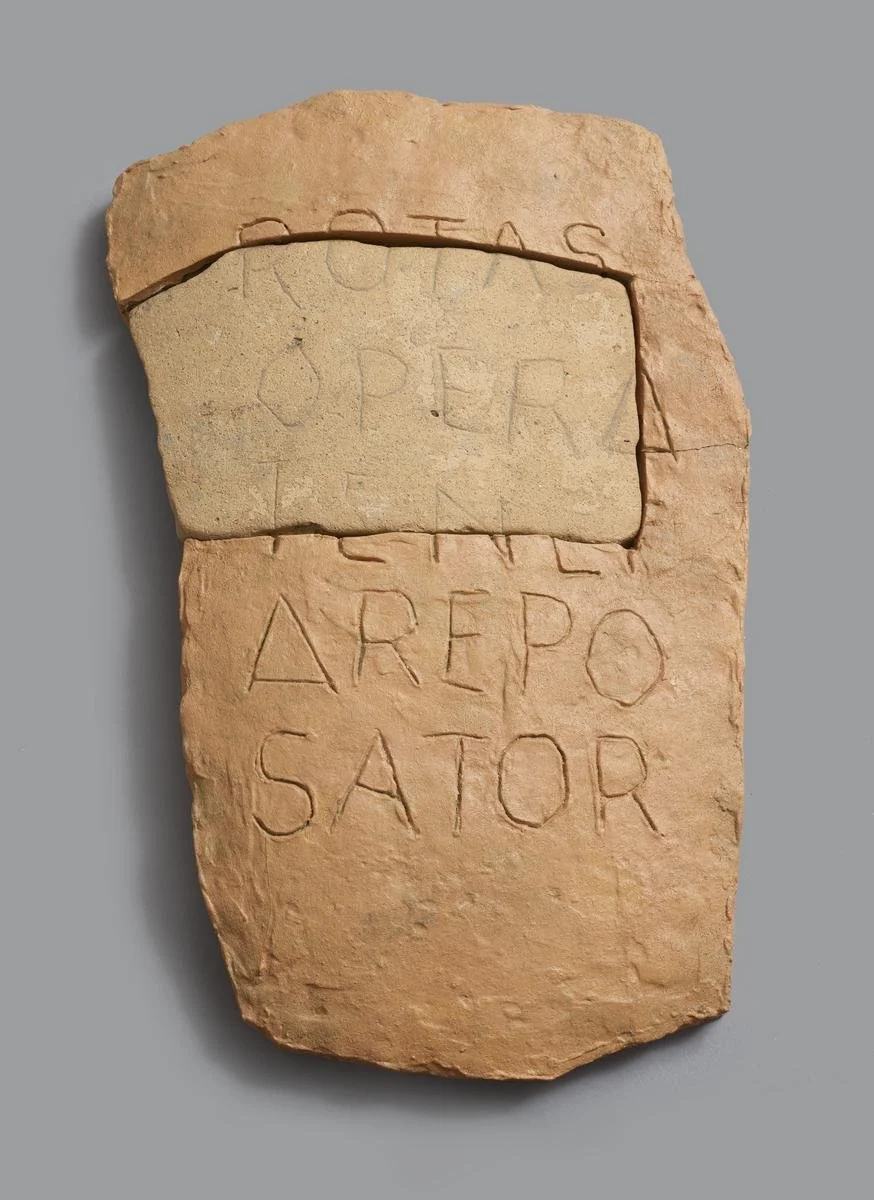
The gallery also shares local stories, celebrating Manchester’s contribution to archaeological discoveries, fieldwork and research. One of the most famous finds made during the city centre excavations of the Roman Fort at Castlefield in 1980 was the Manchester Word Square. Dating to 182 CE (Common Era), it is thought to be among the earliest evidence of Christianity in Britain. It is inscribed with five Latin words that can be read in all directions, and the letters can be rearranged to form the first words of the Lord’s Prayer. It may have been used as a secret symbol, demonstrating belief in Christianity during a time when it was being oppressed by the Roman authorities.
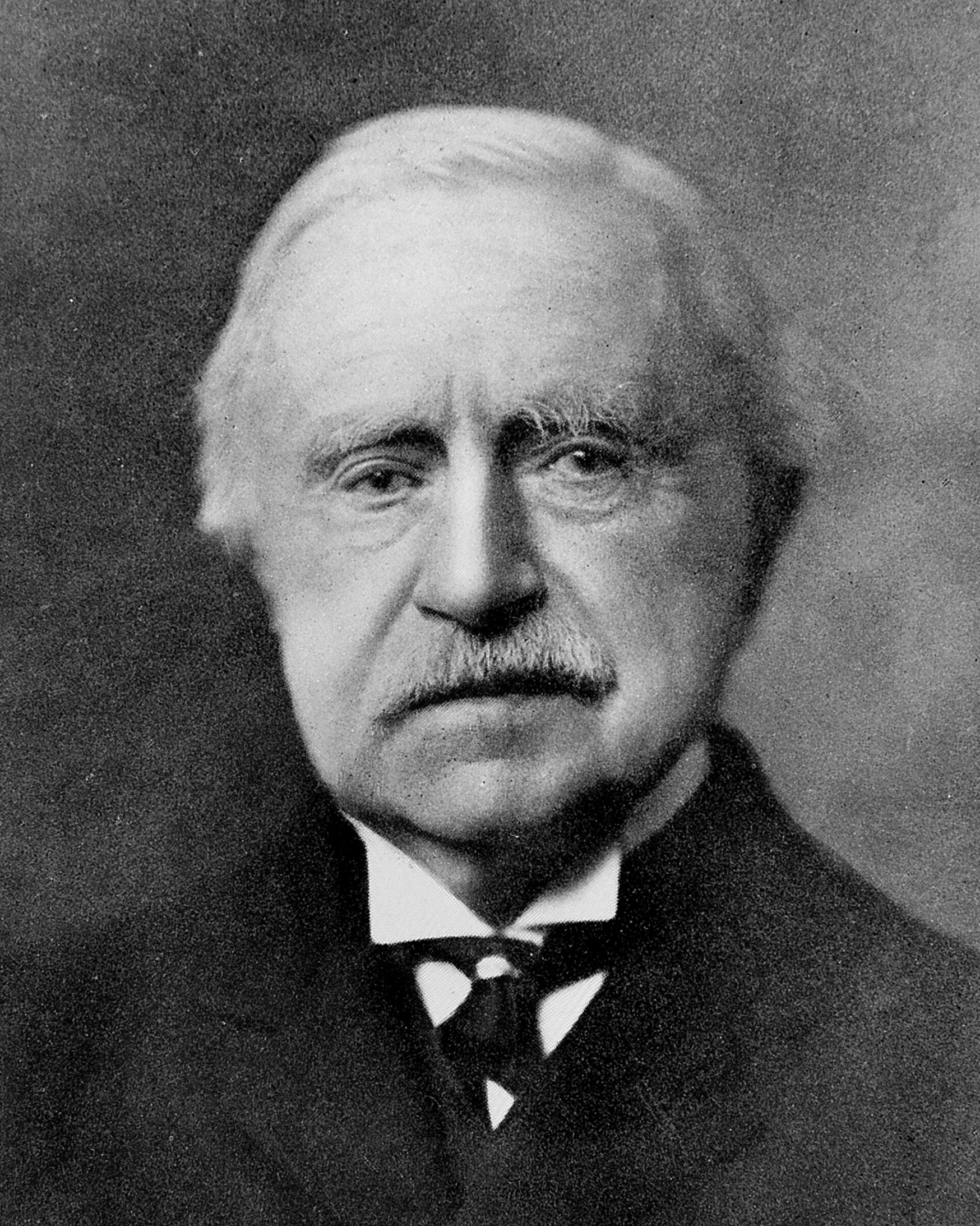
Another local story comes from objects found at Creswell Crags in Derbyshire. These include stone tools made by Neanderthals between 50,000 and 60,000 years ago. They were excavated by the museum’s first curator, William Boyd Dawkins (1837-1929). He also found flint tools made by anatomically modern humans showing that the caves were occupied intermittently for thousands of years. Boyd Dawkins’ identification of the animal remains found there, including mammoth, hyena and hippopotamus, revealed evidence of profound climatic changes over a long period of time that affected the species that lived in this part of Britain.
Archaeological objects reflect the journeys of people and significant moments from the past. This gallery will continue to evolve and expand as we foreground new and original stories.
Archaeology Collection highlights
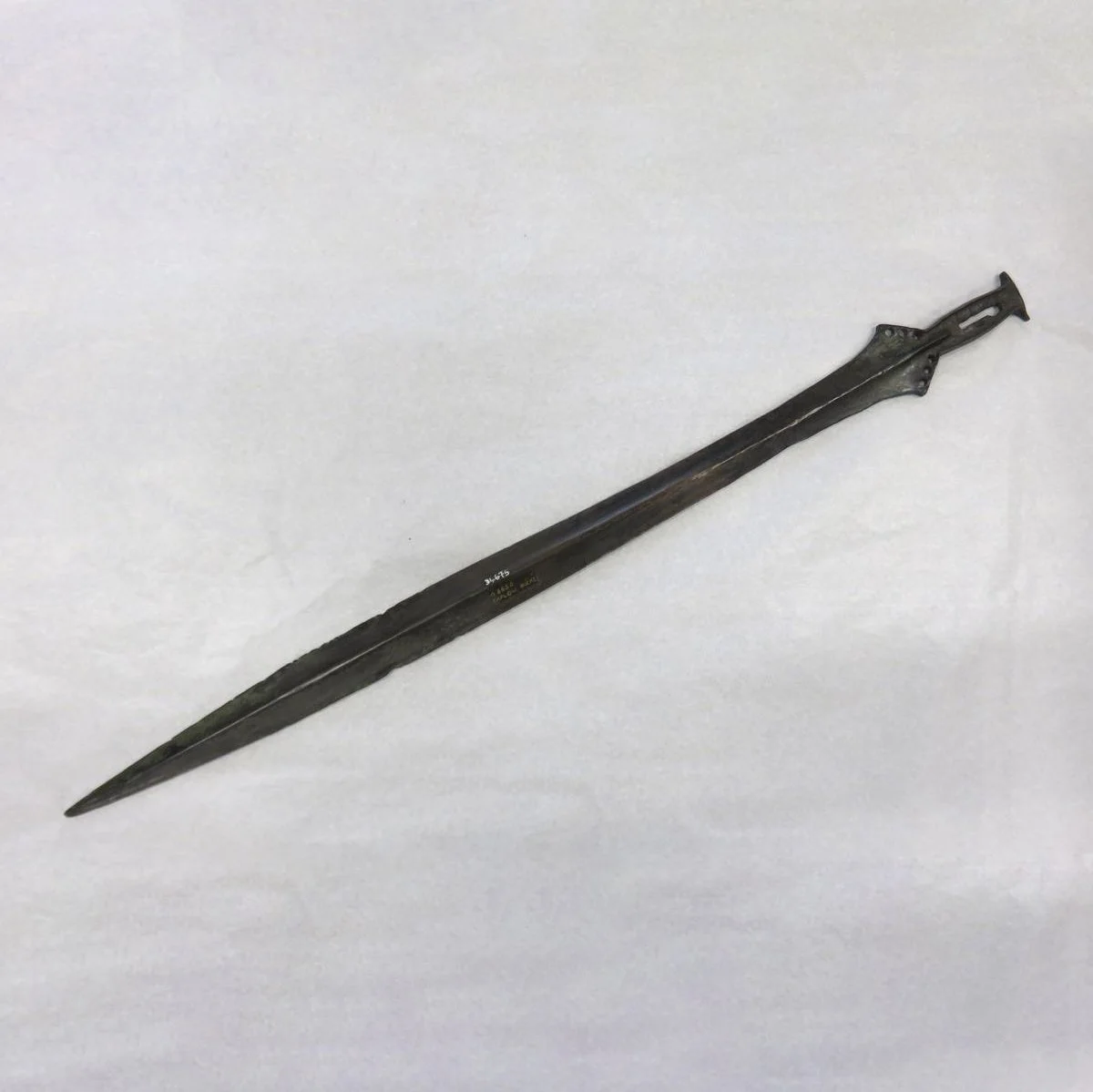
Taplow sword
The Taplow sword, a Late Bronze Age Thames Valley object (1150–1000 BCE), may have been placed in a river or bog as part of funerary rituals, accompanying the dead in Britain.
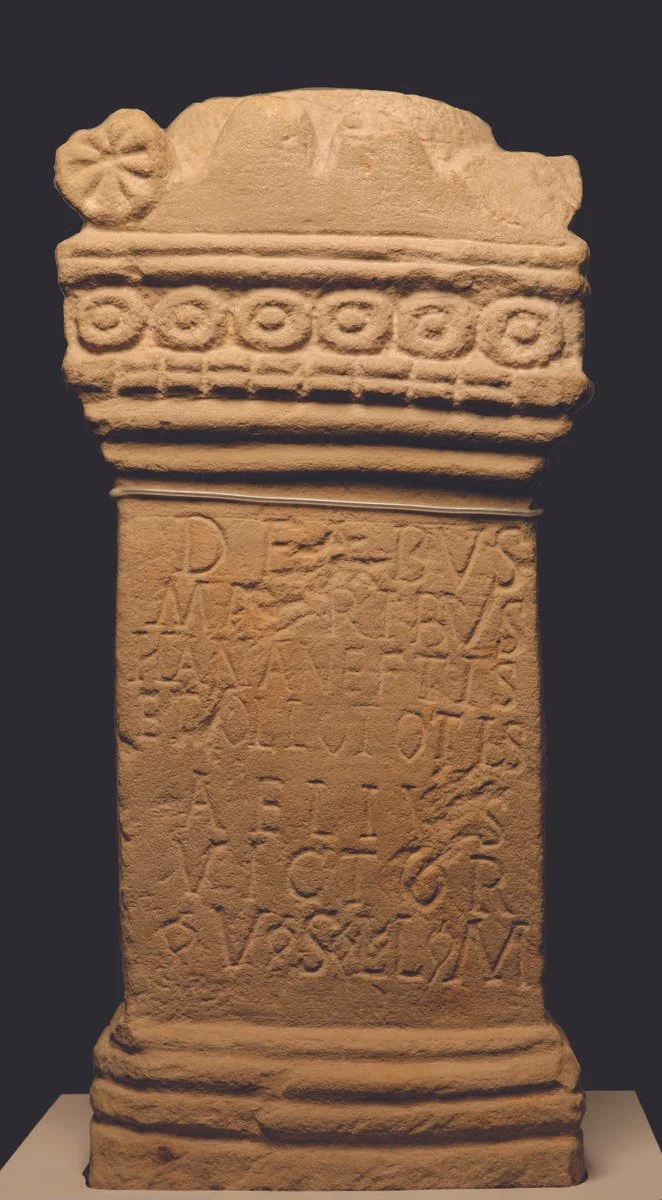
Roman altar
This sandstone altar is one of only three examples that are known from the city of Manchester, whose name originates from the Latin name, Mamucium.
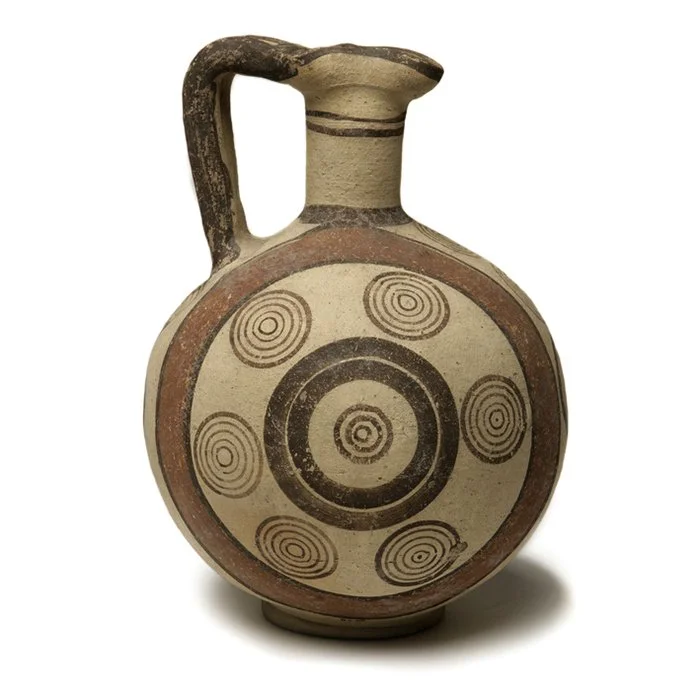
Oinochoe
Manchester Museum’s Archaeology collection includes around 150 oinochoe, ancient Greek and Roman jugs used for pouring wine. These vessels reveal insights into daily life, rituals, and artistic traditions of the past.
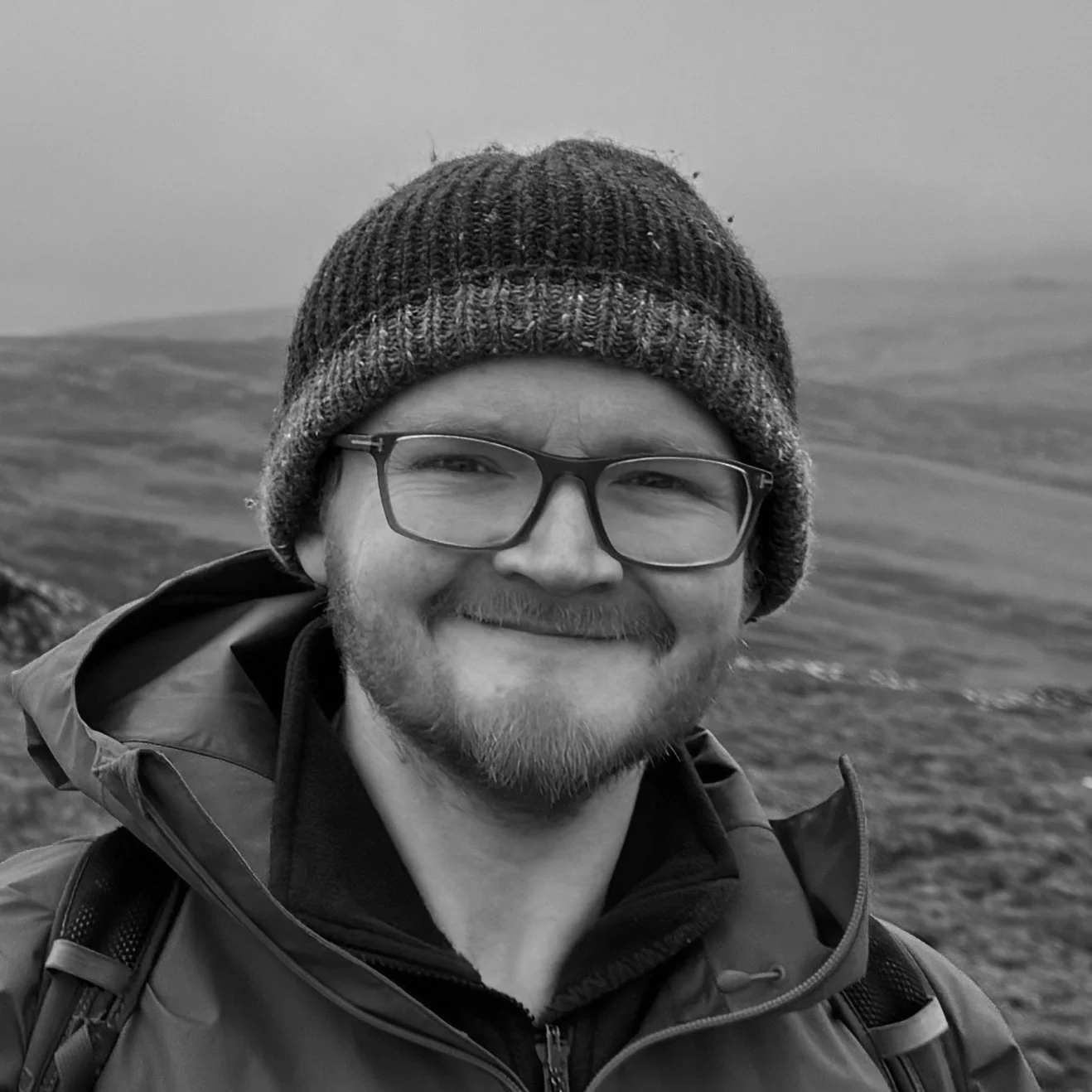
Chris Griffiths Curator of Archaeology Collections
christopher.griffiths-2@manchester.ac.uk
Chris (he/him) is the current Curator of Archaeology at Manchester Museum, where he is responsible for the care of over 50,000 objects. His remit includes significant collections from Britain, the Mediterranean, and the Middle East. He is also responsible for Manchester Museum’s numismatic collections.
Before joining Manchester Museum, Chris was a doctoral researcher at the University of Reading and Amgueddfa Cymru – Museum Wales. He completed his PhD in 2025, focusing on Bronze Age hoarding practices in south-east and west Wales. His research was grounded in collaborative fieldwork, working closely with metal-detectorists and landowners in the co-production of archaeological knowledge. He is currently involved in ongoing research into later prehistoric depositional practices, including the Rewilding Later Prehistory Project, which challenges traditional human-centred histories of Bronze and Iron Age Britain.