Fragmentary Ancestors: Figurines from Koma Land, Ghana
25 October 2013 – 4 May 2014
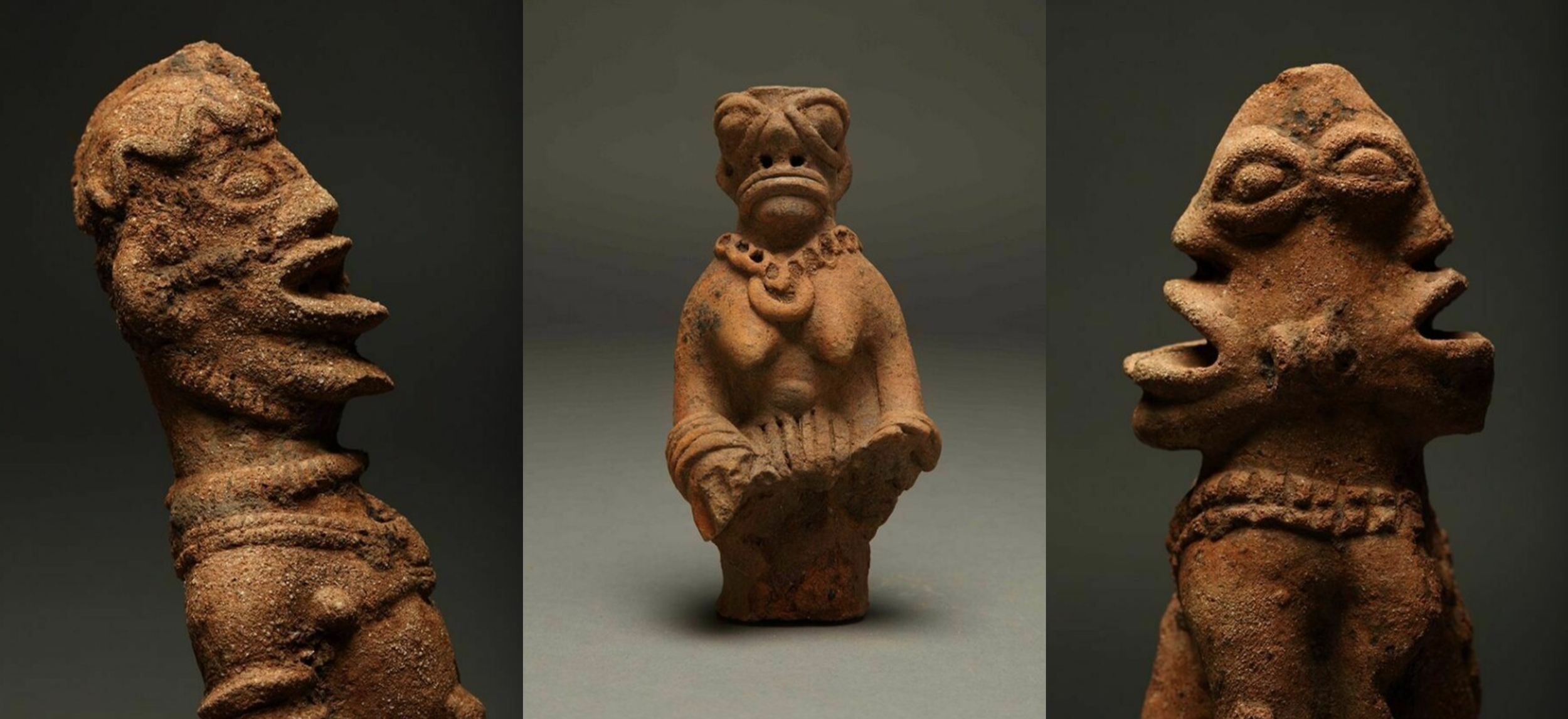
Secrets of sixty remarkable clay figurines - up to 1,400-years-old and excavated by archaeologists from The Universities of Ghana and Manchester, and the Ghana Museums and Monuments Board – are revealed in an exhibition at Manchester Museum.
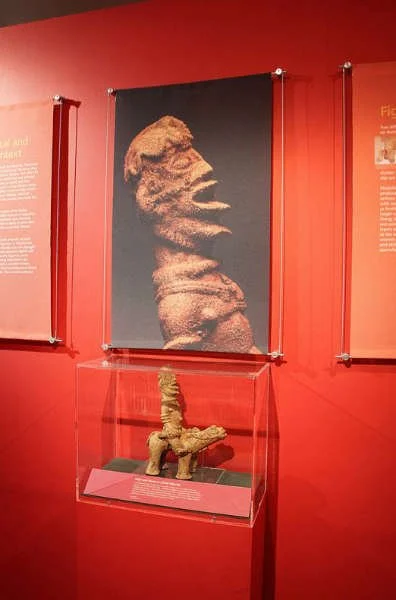
The beautiful objects - up to 31cm in height - take pride of place at the Museum, part of the University, the first time they have been seen publicly outside Ghana. The figurines, including two-headed humans, a chameleon, a crocodile and a man on horseback, are thought by the team to have been used to invoke the help of ancestors to cure illnesses.
Using computed tomography scanning techniques at The University of Manchester, the team revealed hidden channels within the objects which they think had a medicinal function, used for liquid ritual offerings. The figurines show people with congenital conditions including anencephaly - which still affects children in Africa today. Others depict costumes, ornaments and weapons that were worn and used, as well as animals that had symbolic roles. Some figurines in the collection were also possibly ‘scapegoats’, intended as the focus or recipient of disease and misfortune rather than their human keepers. The figures have been dated to between the 6th and the 14th centuries.